Summary
This audio article by Nick Timko, BSME, RDH, traces the history of miswak chewing sticks from ancient Sumerian and Egyptian civilizations to modern use. The episode explains that chewing sticks have been used since at least 3500 BC and are known by different names across cultures, including siwak in Arabic, kesam in Hebrew, and koyaji in Japanese. The Arak tree (Salvadora persica) is the most commonly used source, growing across the Middle East, Africa, and India, meaning nearly 40% of the world's population lives where the plant grows naturally. The article details Salvadora persica's documented oral health benefits including anti-gingivitis, anti-plaque, anti-cariogenic, and anti-fungal properties, as well as its effectiveness against specific oral pathogens like S. mutans and P. gingivalis. It also covers endodontic applications, where Salvadora persica combined with antimicrobial agents showed positive results against E. faecalis and other pathogens. The piece emphasizes that dental professionals should be culturally prepared to serve patients who use miswak.
Key Points
- Chewing sticks have been used since at least 3500 BC in Sumerian and Egyptian civilizations
- Hesi Re, the first known dental specialist, lived during the era when chewing sticks were already in use
- Salvadora persica grows in regions home to nearly 40% of the world's population
- Documented oral benefits include anti-gingivitis, anti-plaque, anti-cariogenic, anti-fungal, and wound healing properties
- Effective against S. mutans (cavity-causing), S. sanguis (endocarditis), and P. gingivalis (periodontal disease)
- Salvadora persica extracts are also being used in endodontic treatment against E. faecalis
- The WHO recommends miswak use within communities where its use is customary
- Commercially available in toothpaste, mouthwash, tooth whitener, and chewing gum forms
Key Moments
WHO recommends miswak for oral hygiene
The episode opens by stating that the World Health Organization recommends miswak chewing sticks for regular use within communities where their use is customary, tracing their history back to ancient Mesopotamia around 3500 BC.
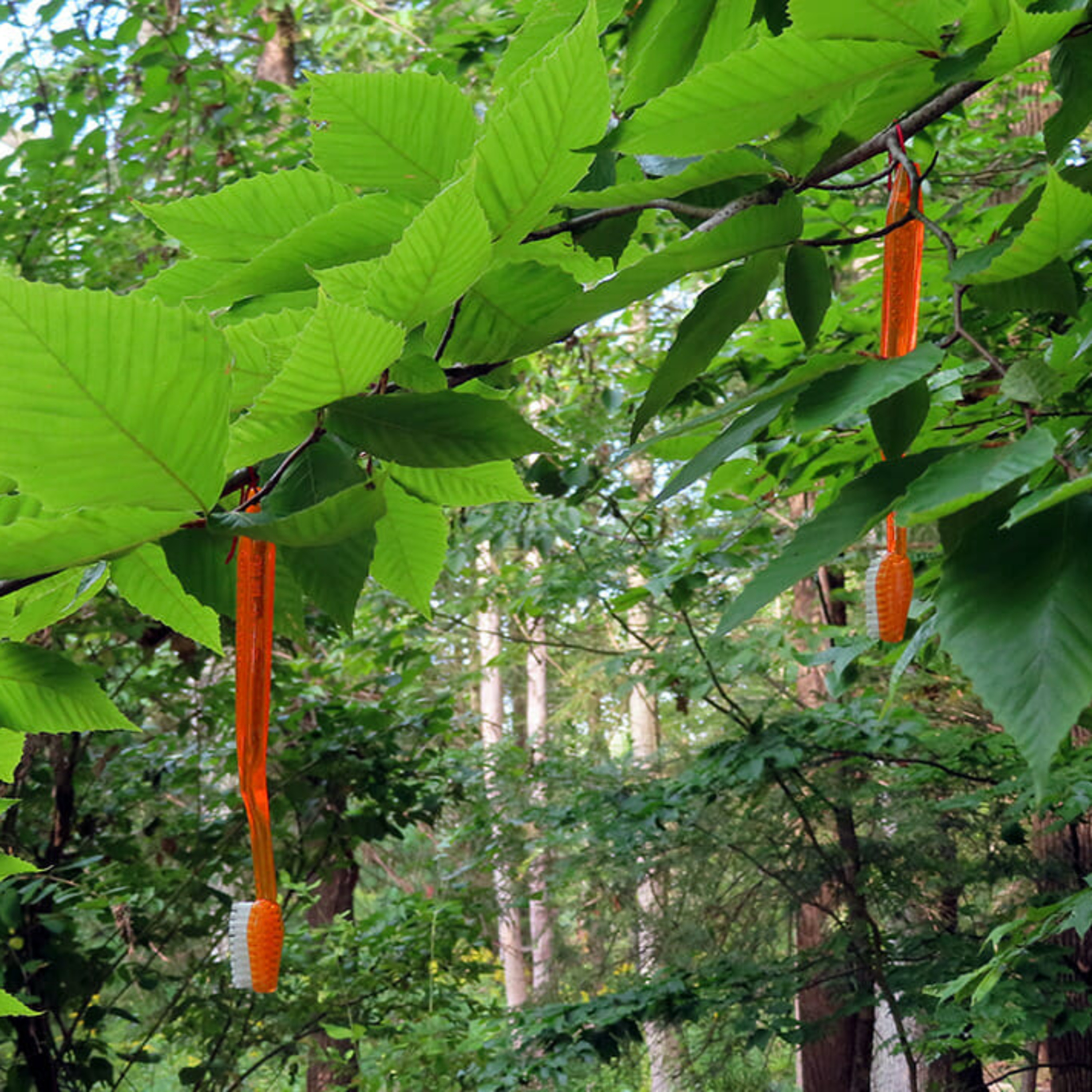
"Can toothbrushes grow on trees? Yes, they can. And they've grown on trees for thousands of years. The World Health Organization recommends that they be used regularly within the communities in which their use is customary."
Miswak across cultures — from Arabic siwak to Japanese koyaji
The article traces how chewing sticks have different names across cultures — miswak or siwak in Arabic, kesam in Hebrew, koyaji in Japanese, and mastic in Latin — and have been made from various trees including Arak, neem, walnut, and olive.
"In Saudi Arabia and many other Muslim countries, the chewing stick is known as a miswak, meaning tooth-cleaning stick, or a stick used on teeth and gums to clean them, in Arabic. However, synonyms exist in different Arabic dialects, such as siwak or miswaki."
40% of the world lives where Salvadora persica grows
The episode highlights that when you tabulate population data for all regions where Salvadora persica grows naturally — Africa, the Middle East, and India — about four out of ten people on Earth live in areas where they can easily make a miswak.
"four out of ten people on Earth live in a region where Salvador Persica grows nearby, allowing them to easily make a miswalk. Readymade Miswalk is now available in stores and through online websites worldwide. Making and brushing with a miswalk."
Salvadora persica's documented antimicrobial effects
The article catalogs the documented oral health benefits of Salvadora persica, including anti-gingivitis, anti-plaque, anti-cariogenic, and anti-fungal properties, and its effectiveness against specific pathogens including S. mutans, P. gingivalis, and E. faecalis in endodontic applications.
"Documented oral effects of Salvadora persica include anti-gingivitis, anti-plaque, anti-karyogenic, anti-fungal, promotion of wound healing, tooth whitening properties, orthodontic chain preservation, and biocompatibility with oral cells."