
Fatty15 (C15:0 / Pentadecanoic Acid)
Odd-chain saturated fatty acid supplement targeting cellular health, metabolism, and longevity pathways
Bottom Line
Fatty15 is built around pentadecanoic acid (C15:0), an odd-chain saturated fatty acid that the company claims is a newly discovered essential fatty acid. The science is genuinely interesting: cell-based studies show C15:0 activates AMPK, inhibits mTOR, and shares activity profiles with longevity drugs like rapamycin.
The observational data is compelling - higher C15:0 levels are consistently associated with lower rates of type 2 diabetes, heart disease, and metabolic conditions across multiple population studies. People in longevity zones like Sardinia have significantly higher C15:0 levels.
The catches:
- Only 2 human RCTs published, with modest results
- Most research is by the company founder
- "Essential fatty acid" status not recognized by National Academies
- No human longevity trials exist
- CSPI (Center for Science in the Public Interest) is skeptical
An intriguing longevity-focused supplement with plausible mechanisms and interesting observational data, but human trial evidence is early-stage. At $49/month, it's a reasonable bet for longevity enthusiasts willing to be early adopters. Not yet proven enough for mainstream recommendation.
Science
What is C15:0?
Pentadecanoic acid (C15:0) is an odd-chain saturated fatty acid found primarily in: - Dairy fat (butter, whole milk, cheese) - Some fish - Certain plants
Unlike common saturated fats (C16:0, C18:0), C15:0 has an odd number of carbons, giving it different biological properties.
Discovery Story:
C15:0 was identified by Dr. Stephanie Venn-Watson while studying aging in Navy dolphins. Dolphins with higher C15:0 levels had better metabolic health and fewer age-related conditions.
Proposed Mechanisms:
1. Longevity Pathway Activation:
| Pathway | Effect | Significance |
|---|---|---|
| AMPK activation | ↑ | Energy sensing, autophagy |
| mTOR inhibition | ↓ | Matches caloric restriction effects |
| PPARα/δ agonist | ↑ | Metabolic regulation |
These pathways are the same ones targeted by longevity drugs like rapamycin and metformin.
2. Cell Membrane Integration:
- Incorporates into cell membranes
- May improve membrane stability
- Supports mitochondrial function
3. Anti-inflammatory Effects:
- Reduces MCP-1, TNF-α, IL-10
- Comparable to rapamycin in cell studies
Key Research:
Cell-Based Studies (Favorable):
- Venn-Watson 2023: C15:0 matched rapamycin in 24/36 cell-based activities including anti-inflammatory and anticancer effects
Observational Studies (Consistent):
- Higher C15:0 → lower type 2 diabetes risk
- Higher C15:0 → lower cardiovascular disease
- Higher C15:0 → lower NAFLD/NASH
- Sardinian longevity zone: Higher C15:0 levels
Human RCTs (Limited):
- TANGO Trial 2024: 300mg C15:0 + Mediterranean diet modestly reduced LDL in women with NAFLD, but not significantly better than diet alone (except for LDL)
- 2024 Overweight/Obesity Trial: Showed plasma C15:0 increases with supplementation
The "Essential" Debate:
Fatty15 claims C15:0 is essential (must come from diet). The criteria: - Not synthesized in sufficient quantities endogenously ✓ - Required for physiological health - unclear
The National Academies of Science does not recognize C15:0 as essential. A 2024 review called it a "potential candidate" needing more research.
Supporting Studies
4 peer-reviewed studies
View all studies & compare research →Practical Protocol
Standard Dosing:
| Goal | Dose | Duration |
|---|---|---|
| General | 100 mg/day | Ongoing |
| Therapeutic | 200-300 mg/day | 12+ weeks |
Fatty15 Product:
- 100 mg pure C15:0 per capsule
- Recommended: 1 capsule daily
- Vegan (synthesized, not from dairy)
Timing:
- No specific timing required
- With or without food
- Consistency matters more than timing
Natural Sources (Alternative):
| Food | C15:0 Content |
|---|---|
| Butter | ~1% of fat |
| Whole milk | ~1% of fat |
| Full-fat cheese | ~1% of fat |
| Some fish | Variable |
To get 100mg C15:0 from butter, you'd need ~10g of butter - but you'd also get saturated fat, calories, and other compounds.
What to Expect:
- Week 1-4: Plasma C15:0 levels increase
- Week 4-12: Potential biomarker improvements
- Long-term: Theoretical cellular/longevity benefits (unproven)
Combining Approaches:
Some may choose to: - Include moderate whole-fat dairy in diet - Supplement with Fatty15 for precise dosing - Focus on overall Mediterranean-style eating
Risks & Side Effects
Safety Profile:
C15:0 has achieved GRAS (Generally Recognized As Safe) status and has been well-tolerated in clinical trials.
Known Side Effects:
- None significant reported in trials
- Theoretical: Any saturated fatty acid concerns (but C15:0 differs metabolically)
Contraindications:
- None established
- Dairy allergy: Not a concern (Fatty15 is synthetic)
- Pregnancy/nursing: Insufficient data
Concerns:
- Limited human data: Only 2 RCTs published
- Company-funded research: Most studies by founder
- "Essential" claim disputed: Not recognized by major bodies
- Longevity unproven: No human longevity trials
Drug Interactions:
- None documented
- Theoretically could interact with lipid-modifying drugs
- Consult doctor if on statins or other medications
Risk Level: Low (as a supplement), but uncertainty about benefits is high
Who It's For
Most Likely to Try:
- Longevity enthusiasts and early adopters
- Biohackers interested in emerging science
- Those avoiding dairy who want C15:0 benefits
- People focused on metabolic health
- Supplement experimenters with budget
Might Consider:
- Those with metabolic syndrome (experimental)
- People interested in AMPK/mTOR modulation
- Anyone curious about odd-chain fatty acids
Probably Should Skip:
- Those wanting proven interventions only
- Budget-conscious (better proven options exist)
- Those already eating whole-fat dairy regularly
- Skeptics of early-stage supplements
Better Proven Alternatives:
- Creatine - Decades of research, proven benefits
- Mediterranean diet - Proven metabolic benefits
How to Track Results
What to Track:
- Subjective energy and wellbeing
- Metabolic markers (if testing)
- Any noticeable changes
Blood Markers (If Testing):
| Marker | Relevance |
|---|---|
| C15:0 levels | Direct measure (specialized test) |
| LDL cholesterol | May modestly decrease |
| Triglycerides | May improve |
| Fasting glucose | Metabolic health |
| HbA1c | Long-term glucose |
| Liver enzymes (ALT, AST) | Liver health |
| hsCRP | Inflammation |
Realistic Expectations:
- Most people won't "feel" anything
- Benefits are theoretical/cellular
- Biomarker changes may be modest
- Longevity effects unmeasurable in short term
Timeline:
- Plasma C15:0: Increases within 2-4 weeks
- Biomarkers: May change at 8-12 weeks
- Longevity: Impossible to measure personally
Top Products
The Only Brand:
- Fatty15 - The original and only C15:0 supplement
- 100 mg pure FA15 (synthetic C15:0)
- Vegan, no dairy
- GRAS certified
- $49/month
Why Only One Brand:
Fatty15 holds patents on using C15:0 for specific health purposes. They're the only company currently marketing a pure C15:0 supplement.
Natural Alternatives:
If you prefer food sources: - Full-fat dairy (butter, cheese, whole milk) - Grass-fed dairy may have slightly higher C15:0 - But you'd need significant dairy intake for equivalent dose
What to Know:
- Fatty15 is synthetic (not extracted from dairy)
- This allows vegan formulation
- Purity is controlled and consistent
- Company controls all research (potential bias)
Cost Breakdown
Fatty15 Pricing:
| Plan | Price | Per Day |
|---|---|---|
| Monthly | $49 | $1.63 |
| 3-month | $129 | $1.43 |
| Subscription | ~$44/mo | $1.47 |
Cost-Benefit Consideration:
At $49/month, this is mid-range for a specialty supplement. However: - Evidence is early-stage - Better-proven supplements cost less - Dairy fat provides C15:0 naturally (but with other compounds)
Comparison:
| Supplement | Monthly Cost | Evidence Level |
|---|---|---|
| Fatty15 | $49 | C (Preliminary) |
| Creatine | $10-15 | A (Strong) |
Value Assessment:
Only worth it if you: - Have budget for experimental supplements - Value being on the longevity frontier - Understand the evidence limitations
Recommended Reading
- Lifespan: Why We Age, and Why We Don't Have To View →
Podcasts
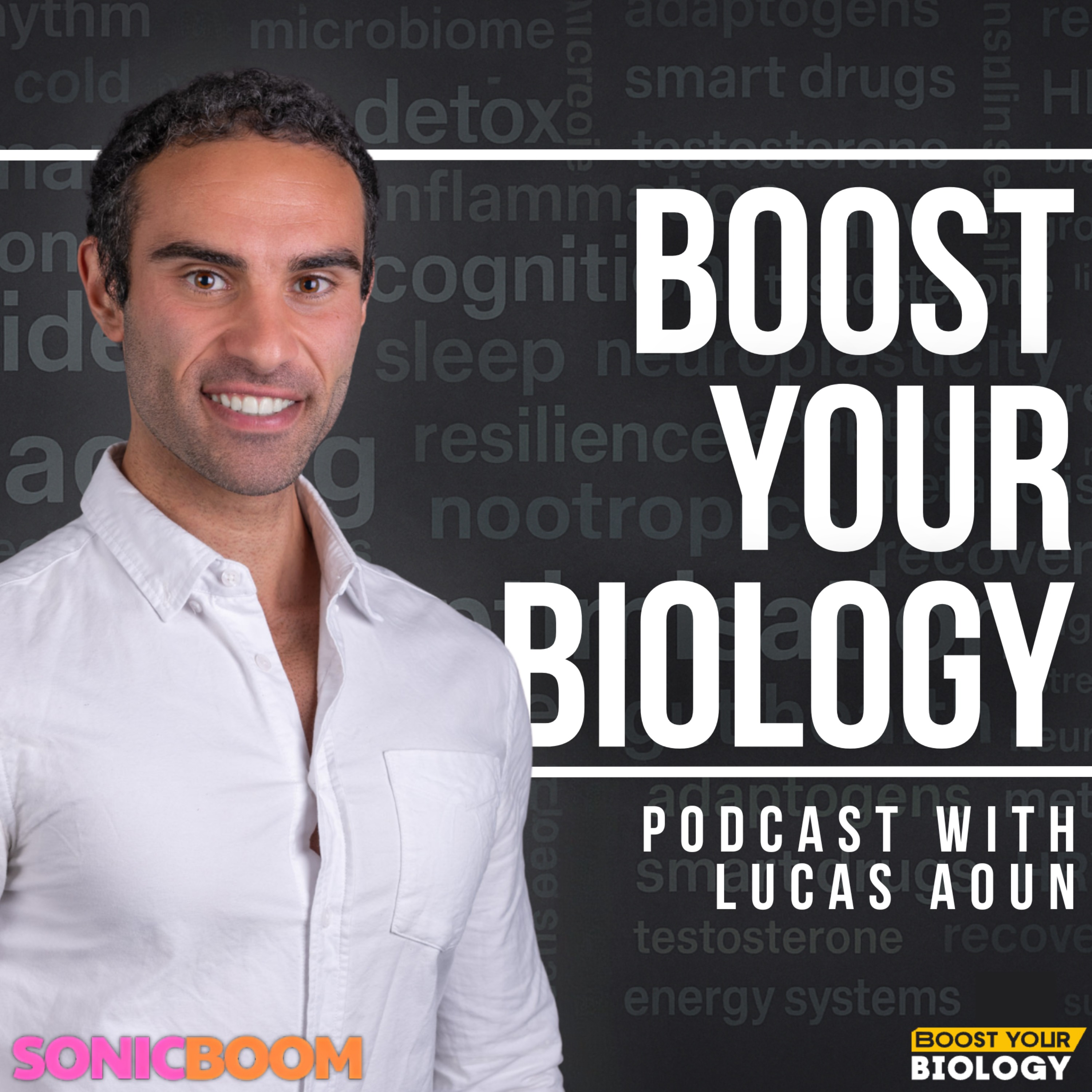
256. SUPERIOR TO OMEGA 3's: C:15 (Pentadecanoic acid) - FATTY15
Lucas Aoun interviews Stephanie Venn-Watson, the researcher who discovered pentadecanoic acid...

Is this supplement legitimate? Science of Fatty15 and C15:0 | Bill Harris, PhD
Simon Hill critically examines the Fatty15 supplement with lipid researcher Bill Harris. They...

61. Exploring Fatty Acids and Functional Medicine: How Fatty15 and Functional Medicine Empower Your Health
This episode explores C15:0 and Fatty15 through a functional medicine lens, examining how...

318. How A New Discovery From Dolphins Is Going To Change Your Life! Longevity, Biohacking & More with Fatty15 Founders Stephanie Venn-Watson & Eric Vann-Watson
Both Fatty15 founders share the story of discovering C15:0 through Navy dolphin research. They...
Discussed in Podcasts
12 curated moments from top health podcasts. Click any timestamp to play.
Challenging the idea that all saturated fats are harmful
The Venn-Watsons discuss how the C15:0 discovery challenges conventional dietary wisdom that all saturated fats are harmful.
"When I need omega-3s, I think, okay, I need to cook fish for dinner. This is what I need to do. And you found out that wasn't the case. That's correct. Yeah, we absolutely hypothesized, in fact, just assumed that it was going to be the dolphins that got the highest amount of omega-3s and their all-fish diet would predict the healthiest aging dolphins. And in fact, yeah, it wasn't. And so, not only was it surprising that it wasn't omega-3s that predicted the healthiest aging dolphins, it was this little unassuming C15 fatty acid that very few people know about. And then add on top of that, it's a saturated fat. So, here we were looking at dolphins telling us that this trace odd chain saturated fat predicted healthy aging. Which is fascinating. And, you know, we have a lot of younger listeners on this podcast. So, can you take us back to the 1970s when some of them may not have been born yet and help us understand why C15 and fatty acids were removed from our diets originally? Sure. So, yeah, so there I was five years old, right? 1977."
Discovery of C15:0 in dolphins surprised researchers
Venn-Watson describes how C15:0, not omega-3s, predicted the healthiest aging dolphins, a surprising discovery given their fish-based diet.
"and to look for which molecules might predict the healthiest aging dolphins. And lo and behold, you know, we thought it would be omega-3s because of their fish diet. And lo and behold, there was surprising discovery of C15, the saturated fat that predicted the healthiest aging dolphins. Yeah, and that's spectacular. I mean, I haven't really looked into the literature around like understanding longevity biomarkers in different animal species, but I guess..."
C15:0 found in butter and whole dairy fat
The discussion reveals that the primary human dietary source of C15:0 is butter and whole dairy fat, making the saturated fat finding even more surprising.
"two things. So the first thing, you know, Lucas was like, okay, we'll see if our primary source of C15 as humans is butter and whole, you know, dairy fat. So, and it's a saturated fat. So that made it a very surprising finding, which also meant we needed to do a lot more science to play this out, right? And say, well, it's association, it's a causation. So from there, we were really able to"
From association to causation - validating C15:0
Venn-Watson explains the scientific journey from observing C15:0 associations to conducting studies to determine whether it causes health benefits.
"focusing on a very unique type of fatty acid called pentadecanoic acid. Now, I know that's a bit of a mouthful, but we have the lovely Stephanie Van Watson on the podcast here. Stephanie, welcome to the podcast. Hi, Lucas. It's great to be here. Awesome. So maybe, Stephanie, do you want to let my audience know a little bit about, I guess, your line of work and I guess your background into like health optimization? Yeah."
Dolphins and anti-aging connections
Venn-Watson connects dolphin longevity research to human anti-aging applications through the C15:0 discovery.
"predicting a healthier aging dolphins. Instead, it was C15, this odd chain saturated fat. So it turned our attention to that and moved C15 to the lab, eight studies and three years later, it was like, wow, something that the world needs to pay attention to. So can humans get C15 from fish as well?"
Functional medicine approach to C15:0 supplementation
The episode explores how functional medicine practitioners are incorporating C15:0 into health optimization protocols alongside other biomarkers.
"Are you a medical provider looking to expand your knowledge and skills in the world of functional medicine? Let me tell you about YDH Academy. This is your gateway to a cutting-edge education with practical expertise in the field. At YDH Academy, we offer a diverse range of courses designed to help you excel in various areas of functional medicine. Our comprehensive modules cover essential topics such as women's health, men's health, thyroid optimization, gut microbiome health to include testing,"
Is Fatty15 worth the investment?
Nutrition Diva evaluates whether the $49/month Fatty15 supplement is worth it, especially for people who already consume full-fat dairy.
"Learn more at mayoclinic.org slash possible. Mayo Clinic. You know where to go. Oikos presents 15 Seconds of Strength. Here we go. Steve's got a trunk full of groceries and no one to help him. Oh, that's tough, Jim. Looks like a five-trip load at least. He grabs the first bag, the second. Bob, it looks like he's trying to do it on one trip. He shimmies the door open, steps over the dog. Oh, and he stumbles. Oh, right into the kitchen without missing a beat. Jim, now that's a man who eats his protein-packed Oikos. With 15 grams of complete protein in each cup, Oikos Triple Zero can help build strength for every day. Oikos, stronger makes everything better. Hello, this is Monica Reinagle, and you are listening to the Nutrition Diva podcast, a show that takes a closer look at food and nutrition research headlines and trends to sort fact from fiction and help you make more informed decisions about what you eat and buy. I do not watch cable news, first because I value my sanity, and also because I think there are probably better ways to stay informed. But the televisions that hang above the cardio equipment at my gym are permanently tuned to cable news, and also, weirdly, cooking shows. I mean, who wants to watch people eat while they're exercising? Because I am always sort of looking at the cable news shows, I couldn't help but notice a frequently recurring ad spot for a new supplement called Fatty 15. I was curious, so I decided to check it out. According to the manufacturer, Fatty15 supplies a saturated fatty acid called pentadecanoic acid, which is essential for cellular health, strengthening cell membranes, and preventing premature cell death. It is also said to reduce inflammation, improve metabolic health, and liver function, most impressively of all, to combat cellular fragility syndrome. In fact, fatty 15 is being positioned as not just beneficial, but actually necessary for optimal health and longevity, suggesting that a deficiency of this fatty acid, which, you guessed it, is much more likely without supplementation, is going to result in poor health and decreased health and longevity. Those are some pretty big claims for a supposedly essential fatty acid that few nutritionists have even heard of. So let's take a closer look. Pentadecanoic acid is the common name for a saturated fatty acid containing 15 carbon atoms, and that makes it a bit unusual because most saturated fats have an even number of carbon atoms. And in fact, some argue that these odd-chain fatty acids, like pentadecanoic acid, play a unique role in human health. The primary dietary source for these odd-chain fatty acids is butterfat. Butter, cream, whole milk dairy products. And the presence of these fatty acids might be part of the reason that saturated fats from dairy products don't seem to have the same negative effects that saturated fats from other foods do. If you consume full-fat dairy products, you might get 50 to 150 milligrams per day of pentadecanoic acid from your diet. If you don't consume dairy or you gravitate to low-fat or fat-free options, well then your dietary intake of this nutrient will be far less. Now interestingly, if you are following a very high-fat diet, such as a ketogenic diet, that might dramatically reduce the amount of pentadecanoic acid that you can absorb from those foods, blunting the potential benefits. Now, you will see references to pentadecanoic acid as an essential fatty acid, but it is not officially recognized as an essential nutrient. Neither is there a recommended daily intake for this nutrient. However, there has been some research associated higher dietary intake or higher blood levels of this fatty acid with increased longevity, and lower risks of developing conditions such as type 2 diabetes, cardiovascular disease, or heart failure. These are mostly correlations. And in the show notes, I'll include links to a handful of articles in peer-reviewed journals reviewing the existing research and making the case for pentadecanoic acid as an essential fatty acid. Although these papers have cleared the peer review process, it at least bears mentioning that the primary author for most of these papers works for the company that holds the patent for this particular fatty acid, as well as for the company that sells it as a supplement. I'm not saying there's not a good case to be made here. Rather, we may only be hearing one side of it. And, as you might expect, once we leave the scientific literature and turn to the marketing materials, things get a lot more exciting. At Mayo Clinic, we are conquering the unconquerable. Our experts are leading the way with innovative regenerative medicines and biotherapeutics that can repair diseased, injured, or defective tissues and organs to help treat people with chronic medical conditions. We're making more possible at Mayo Clinic because every day we're doing what's never been done. Learn more at mayoclinic.org slash possible. Mayo Clinic, you know where to go. to deliver thoughtful gifts that help create lasting bonds. Because it's more than just a gift. It's your way of showing you care. Visit 1-800-Flowers.com slash SXM and connect today. That's 1-800-Flowers.com slash SXM. One of the primary arguments and claims for the Fatty 15 supplement is that it provides protection against cellular fragility syndrome. And one of the problems with this claim is that this appears to be a completely invented condition. According to the company that sells Fatty 15, cellular fragility syndrome affects approximately one in three people, despite the fact that this syndrome is not recognized by any medical authority, detectable by any lab test, or included in any standard diagnostic classifications. And the best way to prevent or reverse this condition is, well, you can probably guess. You might also be impressed by what appears to be the volume of scientific research supporting this new discovery. The marketing materials cite over a hundred peer-reviewed studies to support the benefits of this very special fatty acid, the benefits of which were first identified, by the way, by scientists who were studying dolphins. Who doesn't love dolphins? But among those hundred or more peer-reviewed studies, there appear to be only two randomized controlled trials of pentadecanoic acid in humans. And one of those simply demonstrates that if you take it as a supplement, it will increase the levels of the fatty acid in your blood. In fact, the vast majority of all of these studies to support this supplement are assays of cell cultures in petri dishes or animal studies or correlations observed in population studies. It's not that there's nothing here, but as often happens in the world of nutritional supplements, the marketing has gotten way ahead of what is promising but still extremely preliminary research. As one critic expressed it, the marketing behind Fatty 15 is essentially the equivalent of selling tickets to a concert before the band has even confirmed that they're playing. But what about all these rapturous testimonials from users who are convinced that this supplement has transformed their health or is responsible for positive changes in their lab work? Well, these kinds of anecdotal reports have the same weaknesses that I mentioned just recently in my episode on raw milk. There's reporting bias, where positive results are much more likely to be documented than no results. There are uncontrolled variables, where the user makes a whole bunch of changes at once, but then ascribes the results that they see to just one of them. And of course, the placebo effect, which is especially hard to avoid when you're trying to assess effects like energy, mental clarity, or reduced cravings. Okay, so the evidence that the supplement will make you healthier, or make your cells less fragile, or extend your longevity might still be pretty limited. But is there any downside? Well, the good news is that there doesn't appear to be any real safety concerns. And in fact, because this fatty acid does not have any effect on blood clotting, it may be even a bit safer than old school fish oil supplements. Really, the main hazard that I can see, other than making this type of hype profitable, thereby encouraging more of the same, is the possible harm to your wallet. This supplement will cost you $40, $50 a month."
From Navy dolphins to human longevity supplement
Both Venn-Watson founders describe how monitoring Navy dolphin health for decades led to identifying C15:0 as a key longevity biomarker.
"membrane health, actually, the health of your cells, the health of your membranes of cells. It's about how you can live longer. It's an incredible story about dolphins. So if I haven't got you interested now from between medical emergencies and dolphin stories, I don't know what will get you interested. This is an episode that certainly didn't finish the way we planned, but very, very valuable information. And this is"
C15:0 as a longevity intervention
The conversation places C15:0 in the context of longevity interventions, exploring how this fatty acid supports healthy aging pathways.
"to look at thousands of small molecules in their fish and their blood. And that's when we found about 100 molecules that predicted the healthiest aging dolphins. And among the top of those, Jeff and Steve, was C15. And so we discovered C15 as, gosh, here's a fatty acid, odd chain saturated fat in the dolphins that if higher in their fish and their bodies, they were less likely to develop these aging associated conditions."
Dolphin research reveals surprising longevity nutrient
The Venn-Watsons explain how Navy dolphin health monitoring led to discovering C15:0 as a better predictor of healthy aging than omega-3s.
"And among the top of the list was C15, pentadecanoic acid. Wow. I'm like, which is an essential fatty acid. So tell us also what that means, like the difference between the essential in the fatty acid and then the fatty acids that we get from eating salmon, right? Like, I think I'm correct in this. And I was vegan for a long time. I just started eating like fish and things. So I'm learning. But yeah, what's the difference? Yeah, I mean, it's a perfect question. So, what was really interesting about the dolphins is all they eat are fish. So, right, so we weren't able to blame a bad like Western diet on why some dolphins were aging not as well as others. So, we were able to narrow down this analysis to be able to really look at molecules that they're getting from their fish-based diets, which molecules, specifically within fish, predicted a healthy aging dolphin. So, that's where C15 came through. Interestingly, omega."
C15:0 mimics longevity drug pathways
Venn-Watson explains how C15:0 activates AMPK and inhibits mTOR, sharing activity profiles with longevity drugs like rapamycin.
"you know, molecules like C15. So it's a really nice toolbox for longevity. Yeah. And in regard to longevity, I think there was a paper, if I remember correct, where it was compared to rapamycin, metformin and a carbose, I think. So there was some like comparative studies on that. Maybe explain like, and I think there was using a human cell line. So maybe explain some of the longevity studies comparing it"
Critical evaluation of Fatty15 supplement claims
Simon Hill takes a skeptical but fair look at whether the science behind Fatty15 supports its marketing claims.
"So, this is a saturated fat, an odd-chain saturated fat that really has kind of been Stephanie Van Watson, who first studied this fat in dolphins. And then her team have gone from there and researched this fatty acid alongside some independent studies that also exist. And they've patented this C15 supplement that they market."
Who to Follow
Founder/Researcher:
- Stephanie Venn-Watson, DVM, MPH - Co-founder of Fatty15, discovered C15:0 benefits in Navy dolphin research. Lead author on most C15:0 studies. Obvious conflict of interest but legitimate scientific credentials.
Longevity Connection:
- Research parallels interest from longevity researchers in AMPK activation and mTOR inhibition
- David Sinclair's work on NAD+ and sirtuins overlaps conceptually
Skeptics:
- CSPI (Center for Science in the Public Interest) - Published skeptical review questioning the evidence and "essential" claims
Media Coverage:
- Featured in nutritional and longevity media
- Growing awareness but still niche
Synergies & Conflicts
Longevity Stack (Theoretical):
- Fatty15 (C15:0) - AMPK activation
- Creatine - Proven, cellular energy
- NAD+ precursors (NMN/NR) - Sirtuin activation
Metabolic Health Stack:
- Fatty15 (if budget allows)
- Zone 2 Cardio - Proven metabolic benefits
- Time-Restricted Eating - AMPK activation
- Mediterranean diet - Proven cardiometabolic benefits
What Fatty15 Might Complement:
- Low-fat diets (replacing dairy C15:0)
- Vegan diets (no dairy C15:0)
- Longevity-focused regimens
Priority Consideration:
If budget is limited, prioritize proven interventions: 1. Exercise (Zone 2, strength training) - Free 2. Sleep optimization - Free 3. Creatine - $10-15/month 4. THEN consider Fatty15 - $49/month
What People Say
Why It's Getting Attention:
Amazon Reviews:
Common Experiences:
Criticisms:
Reality Check:
This is an early-adopter supplement. Most users won't have objective evidence it's helping. Appeal is to those who want to be ahead of the curve on longevity science.