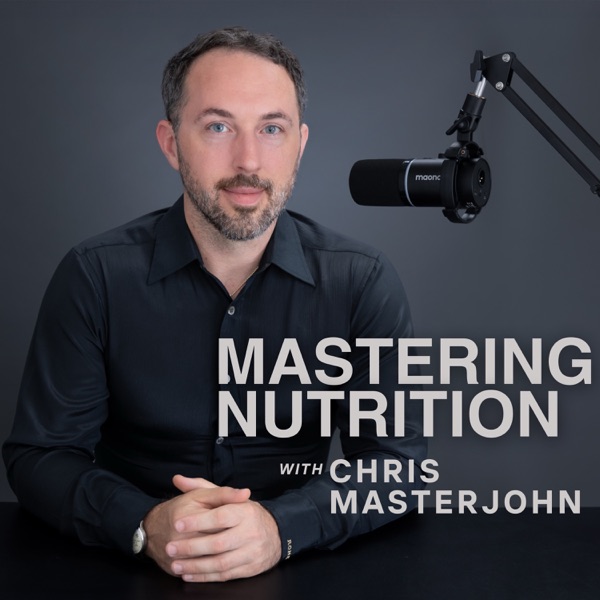
Summary
Christopher Masterjohn challenges popular narratives around seed oils, explaining what they are, why they differ from traditional fruit-derived oils like olive oil, and where the evidence actually lands. He discusses how to think clearly about diet amid conflicting advice from low-carb, keto, and carnivore communities, and shares his take on monitoring glucose and lactate to personalize macronutrient choices.
Key Points
- Seed oils (soybean, corn, canola) differ from fruit-derived oils (olive, coconut, avocado) primarily in their linoleic acid content and processing methods.
- The evidence against seed oils is less clear-cut than social media suggests; dose, context, and overall dietary pattern matter more than eliminating a single ingredient.
- Monitoring postprandial glucose with a continuous glucose monitor can reveal individual responses to carbohydrates that generic diet advice misses.
- Blood lactate testing during exercise identifies your personal aerobic threshold, allowing precise zone 2 training calibration.
- Dietary cholesterol from eggs and shellfish has minimal impact on blood cholesterol for most people; saturated fat and refined carbs are larger drivers.
- Rather than following any single dietary ideology (keto, carnivore, vegan), use objective biomarkers to personalize your macronutrient ratios.
Key Moments
Thinking clearly about diet amid conflicting low-carb and carnivore advice
Christopher Masterjohn challenges popular narratives from low-carb, keto, and carnivore communities, providing a framework for evaluating dietary claims based on individual metabolic data rather than ideology.
"I think that most people probably shouldn't be adding too much oil to their food"
What the seed oil debate actually gets right and wrong
Masterjohn explains what seed oils are, why they differ from traditional fruit-derived oils like olive oil, and where the evidence actually lands, cutting through the polarized online debate with nuanced biochemistry.
"I think that most people probably shouldn't be adding too much oil to their food"
Monitoring glucose and lactate to personalize macronutrient choices
Masterjohn shares his approach to using glucose and lactate monitoring to personalize macronutrient choices, moving beyond one-size-fits-all dietary recommendations to data-driven individual optimization.
"I think that most people probably shouldn't be adding too much oil to their food"