Summary
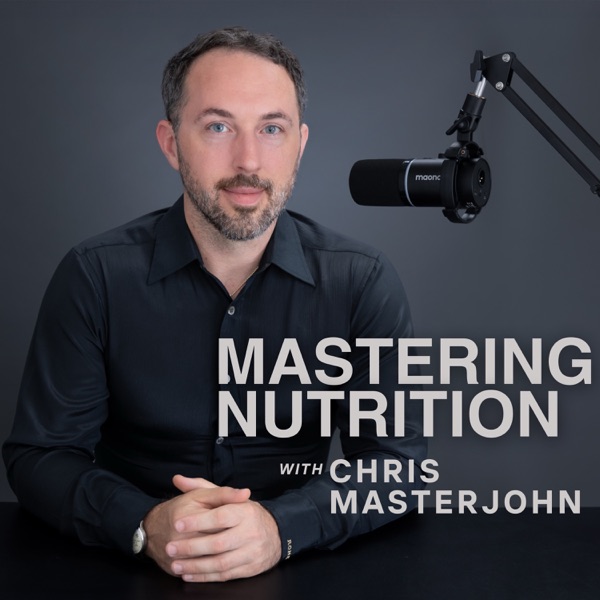
Chris Masterjohn critiques the medical establishment's dismissal of research linking seed oils to cardiovascular disease. He examines the studies, the flawed reasoning used to discount them, and explains why the evidence deserves serious consideration.
Key Points
- Multiple studies suggest seed oils may contribute to heart disease
- Medical establishment relies on outdated lipid hypothesis to dismiss concerns
- Linoleic acid oxidation products are found in atherosclerotic plaques
- Industry funding has influenced the narrative around vegetable oils
- Replacing seed oils with more stable fats may reduce cardiovascular risk
Key Moments
Medicine thinks in binaries: seed oils in LDL don't change whether you get a statin
Chris Masterjohn explains why doctors ignore evidence about seed oils damaging LDL particles. Medicine operates on binary diagnostic models that predict treatment decisions. If the finding does not change whether the doctor prescribes a statin, it is irrelevant to their framework. The fact that seed oils in the membrane of the LDL particle drive plaque formation does not alter the treatment protocol, so doctors dismiss it entirely, even when asked what patients should eat.
"That it was seed oils in the membrane of the LDL particle that drive the plaque doesn't matter because that doesn't change whether I'm going to give you a statin."