Summary
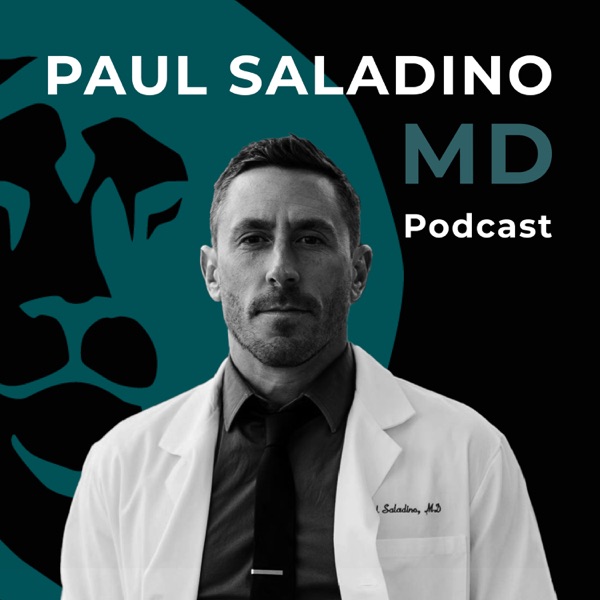
Paul Saladino and Dave Asprey discuss why peanut butter may be one of the worst foods for humans, diving into phytic acid, oxalates, seed oils, and fructose. They also explore whether vegetables can be low-inflammation, share differing views on coffee, and discuss broader anti-nutrient concerns in common foods.
Key Points
- Why peanut butter contains multiple harmful compounds
- Phytic acid, oxalates, and seed oils in common foods
- Fructose metabolism deep dive
- Whether vegetables can truly be low-inflammation
- Differing views on coffee and its health effects
Key Moments
Blood linoleic acid poorly reflects seed oil intake
Dave Asprey and Paul Saladino discuss how blood levels of linoleic acid are a poor proxy for actual seed oil consumption. Adipose tissue is more accurate.
"Seed oils in general as food, it's terrifying and it's unnecessary."
Related Research
Caffeine effects on sleep taken 0, 3, or 6 hours before going to bed
Caffeine consumed even 6 hours before bed significantly disrupted sleep, reducing total sleep time by over 1 hour and supporting delayed morning caffeine timing.
Coffee, caffeine, and sleep: A systematic review of epidemiological studies and randomized controlled trials
Systematic review supporting strategic caffeine timing aligned with circadian rhythms for optimal alertness without sleep disruption.
Common questions and misconceptions about caffeine supplementation: what does the scientific evidence really show?
Review addressing caffeine myths found that timing of caffeine relative to waking affects individual responses, with delayed consumption potentially beneficial for some individuals.