
Key Takeaway
Grounding increased heart rate variability and shifted autonomic balance toward parasympathetic dominance, indicating a calming effect on the nervous system.
Summary
This study examined the effects of grounding on heart rate variability (HRV), a marker of autonomic nervous system function. Participants were grounded for 40 minutes while HRV was continuously monitored.
Results showed that grounding increased HRV and shifted the autonomic balance toward parasympathetic (rest-and-digest) dominance. This indicates a calming effect on the nervous system, consistent with subjective reports of relaxation during grounding.
The HRV changes provide objective evidence for grounding's effects on the autonomic nervous system.
Methods
- HRV monitoring during grounding
- 40-minute grounding sessions
- Double-blind crossover design
- Comparison to sham grounding
Key Results
- Increased HRV during grounding
- Shift toward parasympathetic dominance
- Effects observed within 40 minutes
- Consistent with relaxation response
Figures
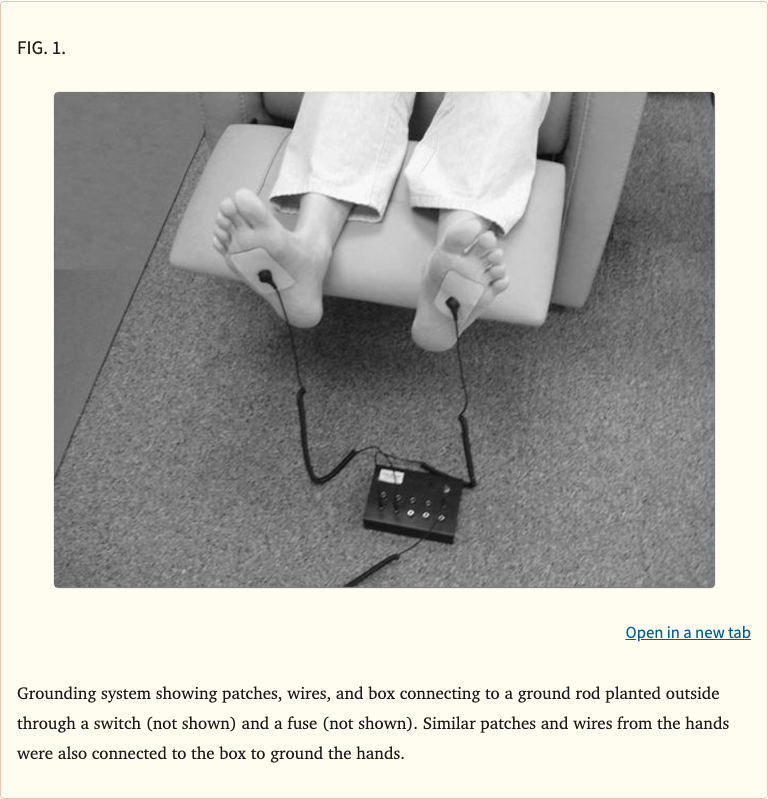 Figure 1
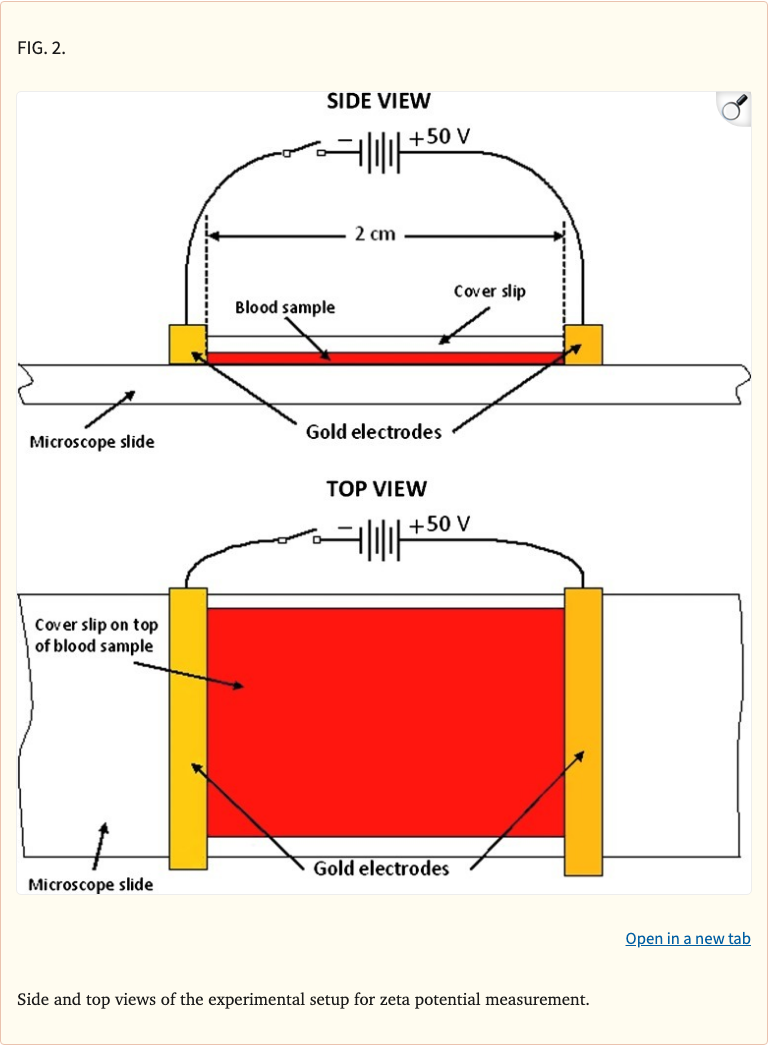 Figure 2
Limitations
- Acute effects only
- Laboratory setting
- May not reflect long-term changes
- Small sample size