
Key Takeaway
NAC supports liver health through glutathione replenishment and has established medical uses for acetaminophen toxicity, with emerging evidence for other liver conditions.
Summary
This comprehensive review examined the mechanisms and clinical applications of N-acetylcysteine (NAC) in liver diseases.
Mechanisms of action:
- Precursor to glutathione (master antioxidant)
- Direct antioxidant effects
- Anti-inflammatory properties
- Supports Phase II liver detoxification
Established uses:
- Acetaminophen overdose (standard treatment)
- IV NAC highly effective if given early
- Prevents liver failure from toxicity
- Life-saving in acute poisoning
Emerging applications:
| Condition | Evidence | Findings |
|---|---|---|
| Non-alcoholic fatty liver | Moderate | Improved enzymes, steatosis |
| Alcoholic liver disease | Low-Moderate | Some benefit |
| Acute liver failure | Moderate | Improved outcomes |
| Drug-induced liver injury | Low | Case reports positive |
Glutathione connection:
- NAC rapidly converts to cysteine
- Cysteine is rate-limiting for glutathione
- Glutathione is liver's primary antioxidant
- Depleted in many liver conditions
Dosing in studies:
- Oral: 600-1800 mg daily
- IV: Higher doses for acute toxicity
- Generally well-absorbed orally
- Split dosing may be better tolerated
Safety profile:
- Generally well-tolerated
- GI upset most common side effect
- Nausea with high doses
- Rare allergic reactions
Clinical significance:
Establishes NAC as a well-researched option for liver support through glutathione pathway, with strong evidence for acute uses and growing evidence for chronic liver support.
Figures
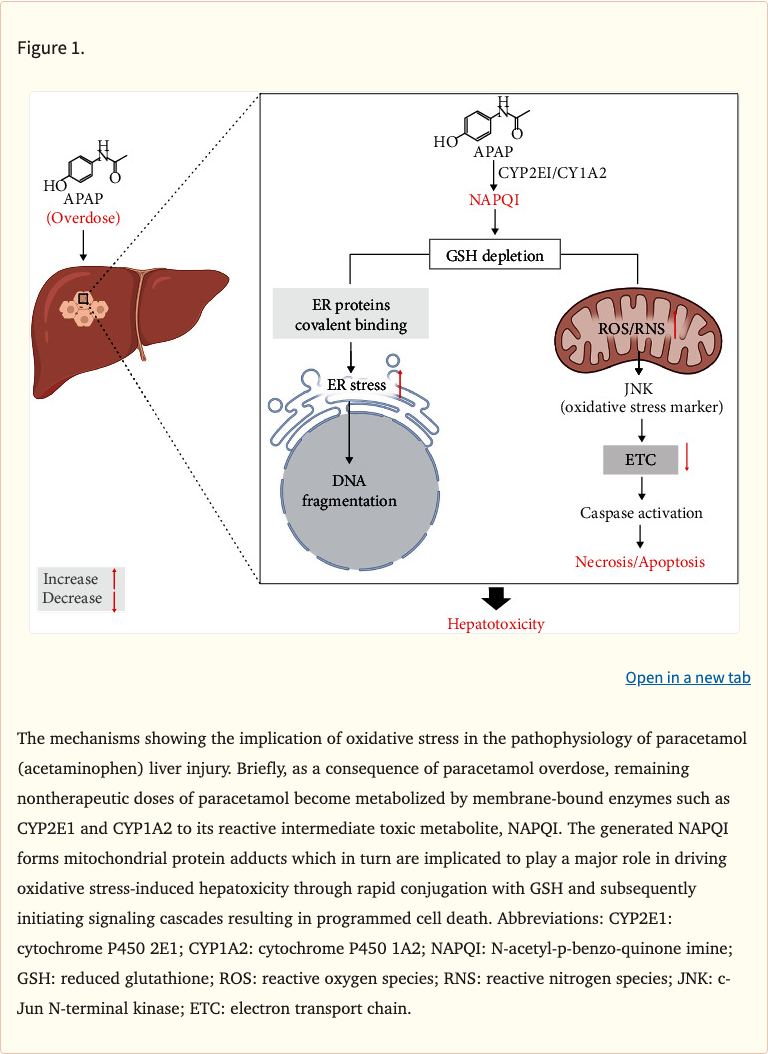 Figure 1
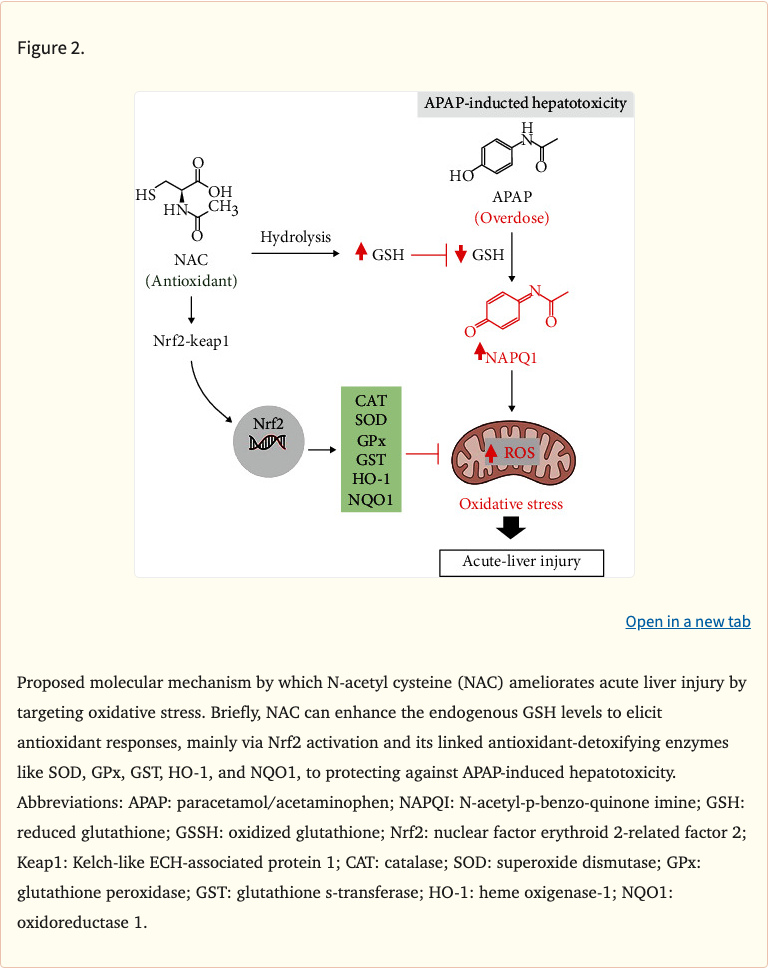 Figure 2
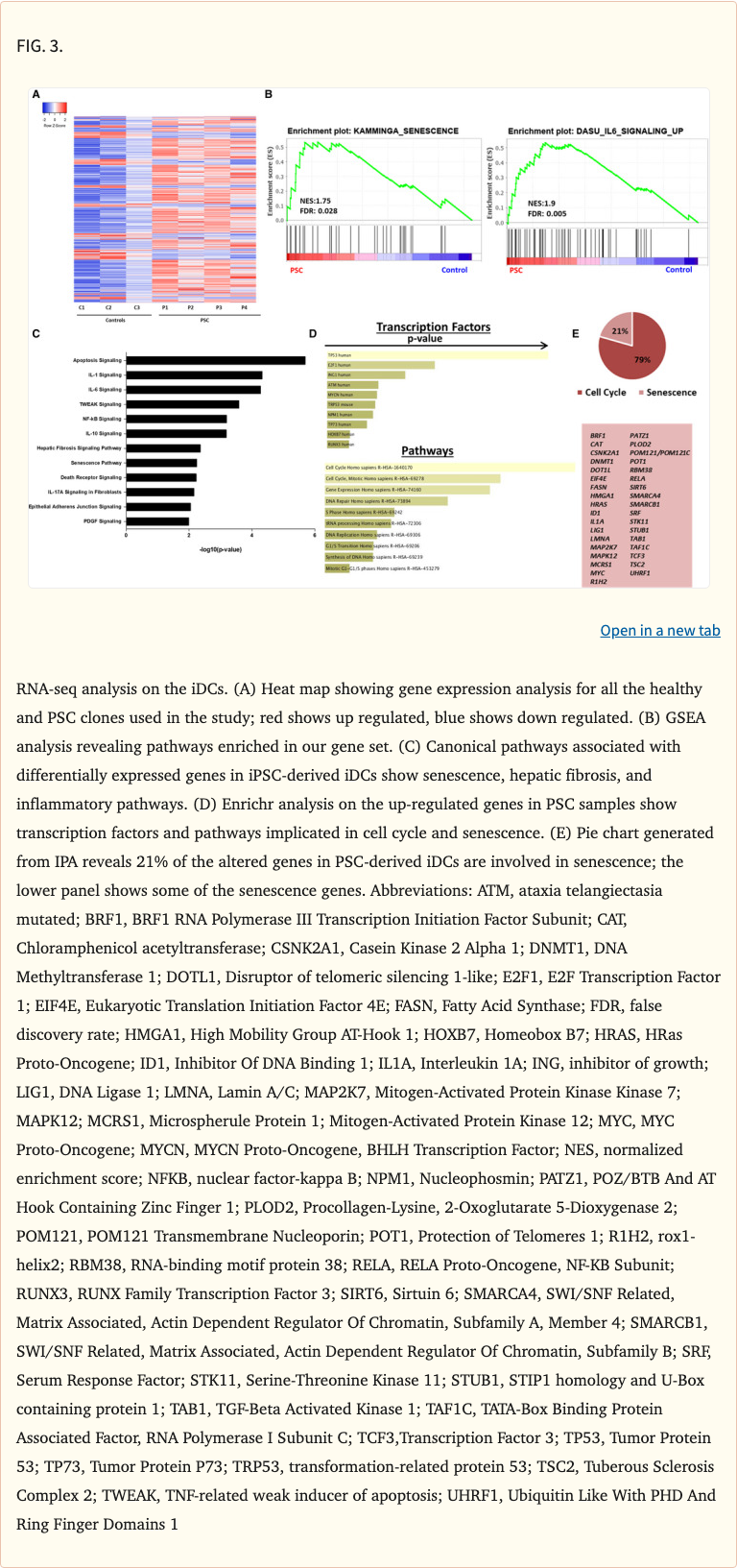 Figure 3
 Figure 4
 Figure 5
 Figure 6