
Key Takeaway
DIM supplementation at 300 mg/day for 14 days shifted estrogen metabolism toward the protective 2-hydroxylation pathway in thyroid proliferative disease patients, with DIM accumulating directly in thyroid tissue.
Summary
This Phase I pilot study examined whether DIM (3,3'-diindolylmethane) could modulate estrogen metabolism in patients with thyroid proliferative disease (TPD), a condition where estrogen may play a role in abnormal thyroid cell growth.
Patients with TPD received 300 mg of DIM daily for 14 days prior to thyroidectomy. Researchers collected tissue, urine, and serum samples before and after supplementation to analyze DIM bioavailability and estrogen metabolite profiles.
Key findings showed that DIM was detectable in thyroid tissue, serum, and urine after supplementation, confirming systemic bioavailability and tissue accumulation. Urine analysis demonstrated an increase in the ratio of 2-hydroxyestrones (C-2) to 16-alpha-hydroxyestrone (C-16), indicating a favorable shift toward the less estrogenic 2-hydroxylation pathway.
The authors concluded that DIM enhances estrogen metabolism in TPD patients and could serve as an antiestrogenic dietary supplement to help reduce the risk of developing thyroid proliferative disease. The finding that DIM accumulates directly in thyroid tissue is particularly notable, as it suggests a local mechanism of action beyond systemic estrogen modulation.
Figures
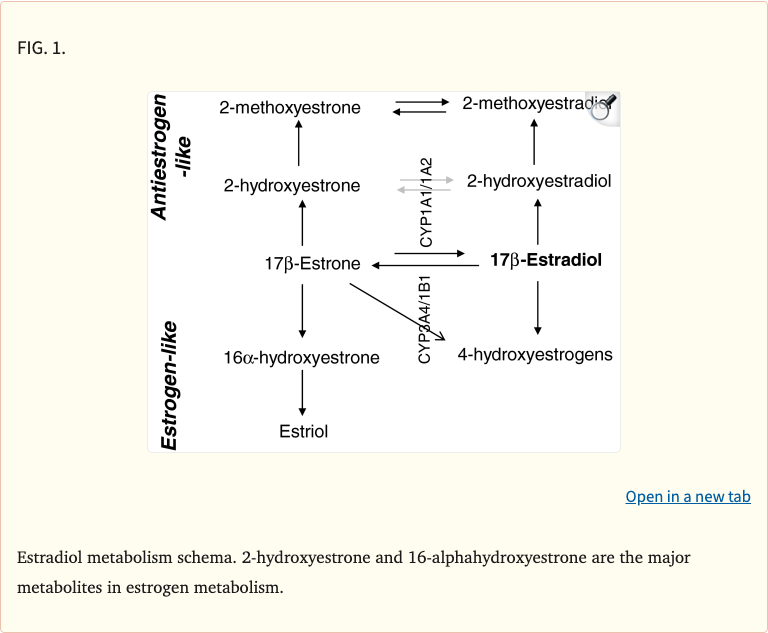 Figure 1
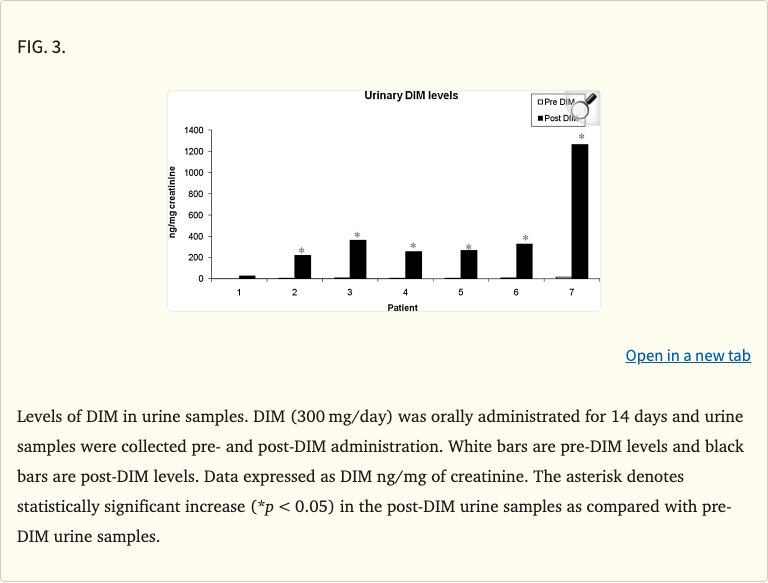 Figure 2
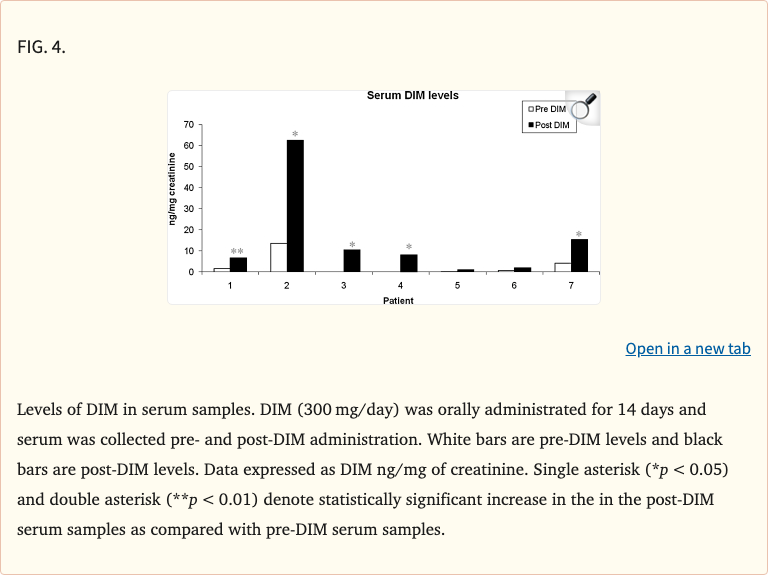 Figure 3
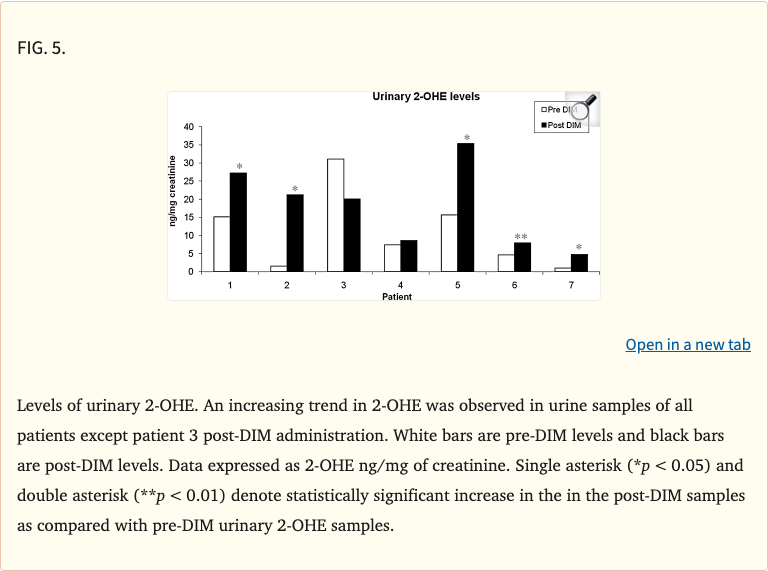 Figure 4
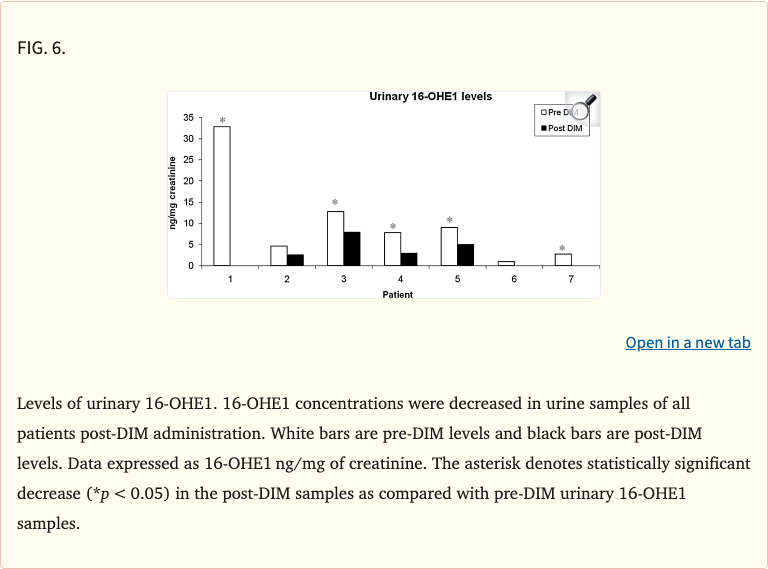 Figure 5