Key Takeaway
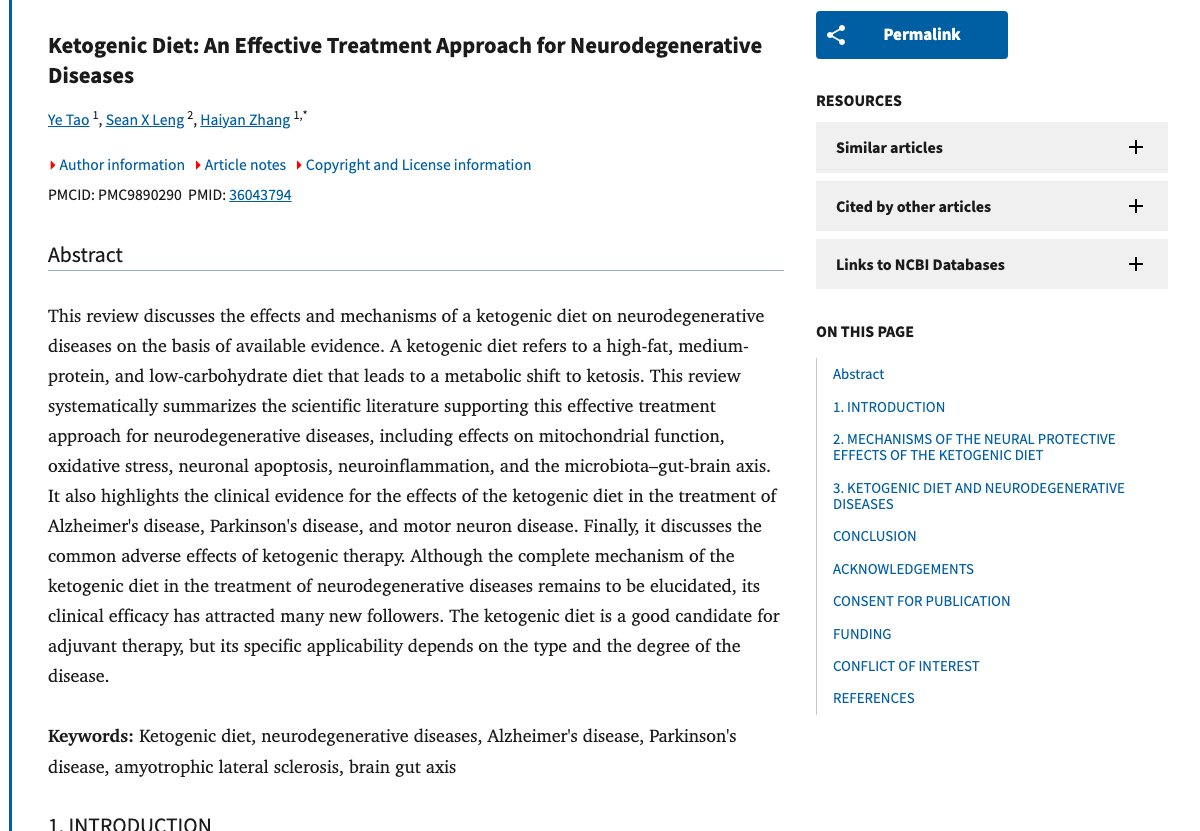
The ketogenic diet shows neuroprotective potential against Alzheimer's, Parkinson's, and ALS through mechanisms including enhanced mitochondrial function, reduced neuroinflammation, and improved brain energy metabolism via ketone body utilization.
Summary
This comprehensive review examines the therapeutic potential of the ketogenic diet for neurodegenerative diseases, including Alzheimer's disease, Parkinson's disease, and amyotrophic lateral sclerosis (ALS). The authors synthesize evidence from both preclinical and clinical studies to evaluate the neuroprotective mechanisms of ketone bodies and the practical application of ketogenic dietary interventions in neurodegeneration.
The review describes several key neuroprotective mechanisms of the ketogenic diet. Ketone bodies (beta-hydroxybutyrate and acetoacetate) serve as alternative brain fuel, bypassing impaired glucose metabolism that characterizes many neurodegenerative conditions. The diet also enhances mitochondrial function, reduces oxidative stress, modulates neuroinflammation through NLRP3 inflammasome inhibition, and influences the gut-brain axis through changes in the microbiome. These mechanisms collectively address multiple pathological processes underlying neurodegeneration.
While preclinical evidence is promising and some early clinical studies show cognitive improvements in Alzheimer's patients and motor function benefits in Parkinson's patients, the authors note that large-scale clinical trials are still lacking. They conclude that the ketogenic diet represents a promising non-pharmacological approach for neurodegenerative diseases but emphasize the need for well-designed randomized controlled trials to establish clinical efficacy and optimal protocols.
Methods
Narrative review of preclinical (animal model) and clinical studies examining the ketogenic diet in the context of neurodegenerative diseases. The authors reviewed literature on molecular mechanisms of ketone body neuroprotection, the gut-brain axis, neuroinflammation pathways, and clinical trial data for Alzheimer's, Parkinson's, and ALS.
Key Results
Preclinical studies consistently demonstrate that ketogenic diets reduce amyloid-beta plaques, tau phosphorylation, and neuroinflammatory markers in Alzheimer's models. In Parkinson's models, the diet protects dopaminergic neurons and improves motor function. Early clinical studies show improved cognitive scores in mild cognitive impairment and Alzheimer's patients on ketogenic interventions. Beta-hydroxybutyrate specifically inhibits NLRP3 inflammasome activation, reducing pro-inflammatory cytokine release in the brain.
Figures
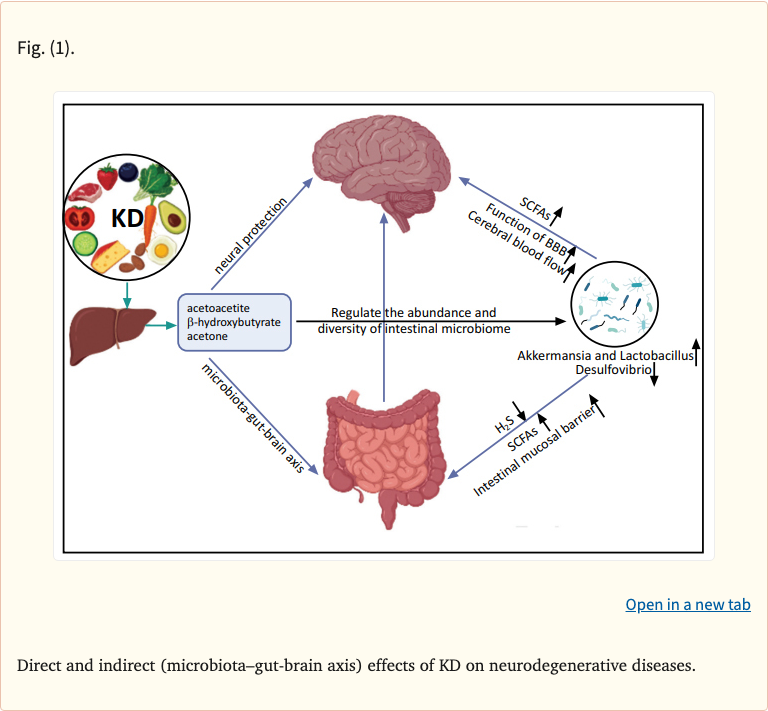 Figure 1
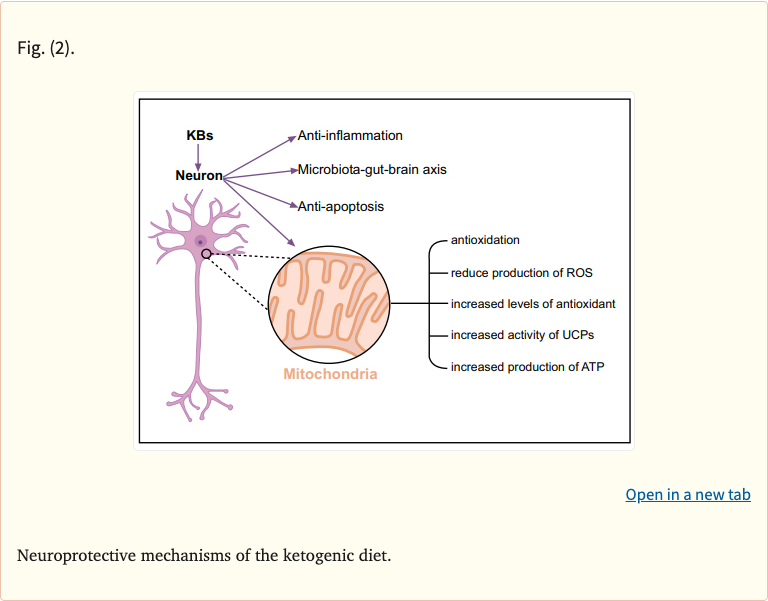 Figure 2
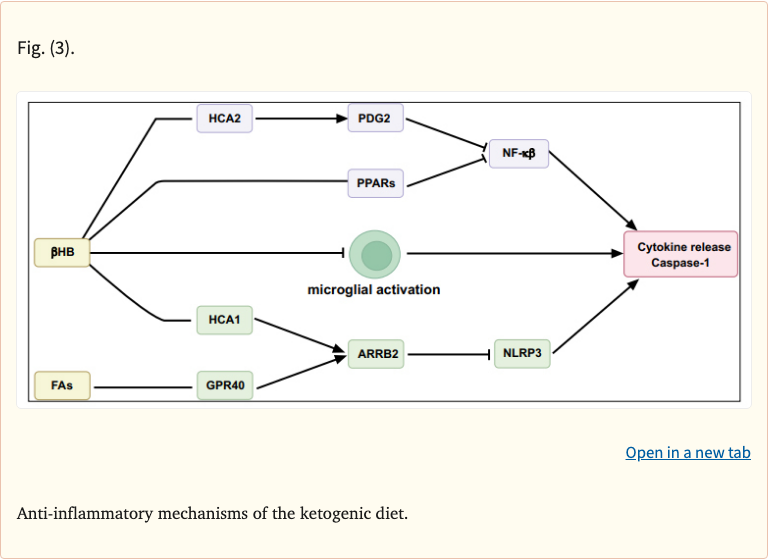 Figure 3
Limitations
Most evidence comes from animal models, with limited human clinical trial data. Existing clinical studies tend to have small sample sizes and short follow-up periods. Long-term safety and efficacy of ketogenic diets in elderly neurodegenerative disease populations remain unclear. Patient adherence to strict ketogenic protocols is a significant practical challenge, particularly in cognitively impaired individuals.
Related Interventions
Related Studies
Discussed In