
Key Takeaway
Laboratory studies demonstrate humic acids possess antiviral activity against multiple virus types and can modulate immune cell function.
Summary
This research examined the antiviral and immunomodulating properties of humic acids through laboratory experiments and literature review.
The studies demonstrated that humic acids can inhibit viral replication in cell culture models and modulate immune cell activity. The mechanisms appear to involve interference with viral attachment and enhancement of innate immune responses.
These findings support traditional therapeutic uses of humic substances and suggest potential applications in infectious disease prevention.
Methods
- In vitro viral inhibition assays
- Immune cell culture experiments
- Multiple virus types tested
- Dose-response analysis
- Review of existing literature
Key Results
- Antiviral activity against multiple virus types
- Inhibition of viral attachment and replication
- Modulation of immune cell activity
- Dose-dependent effects observed
- Different humic acid sources showed varying activity
Figures
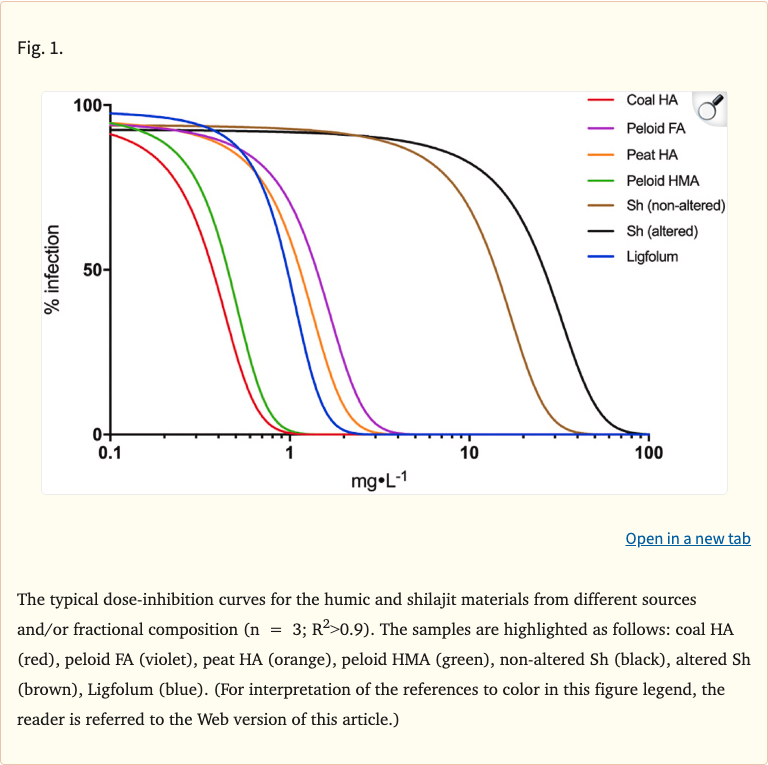 Figure 1
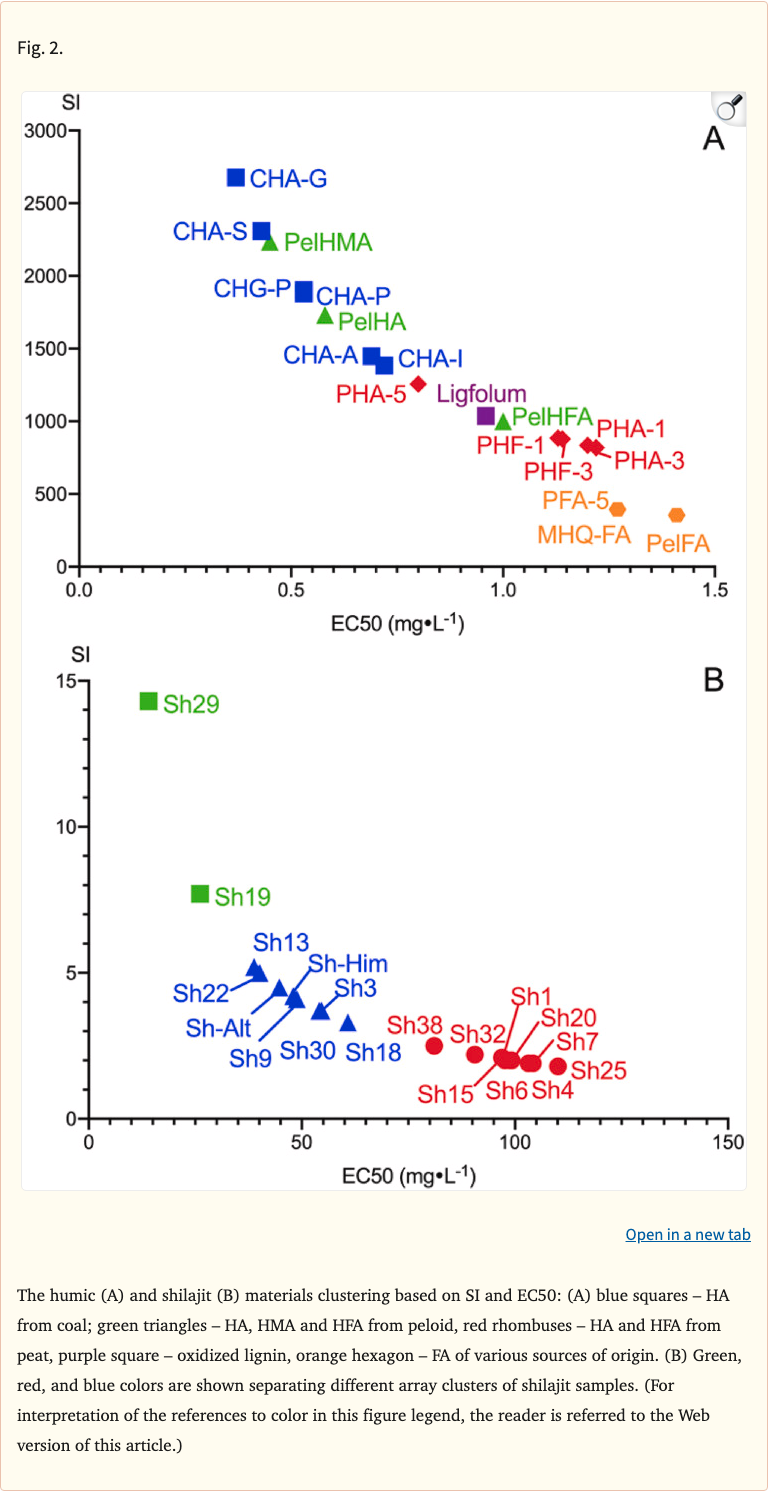 Figure 2
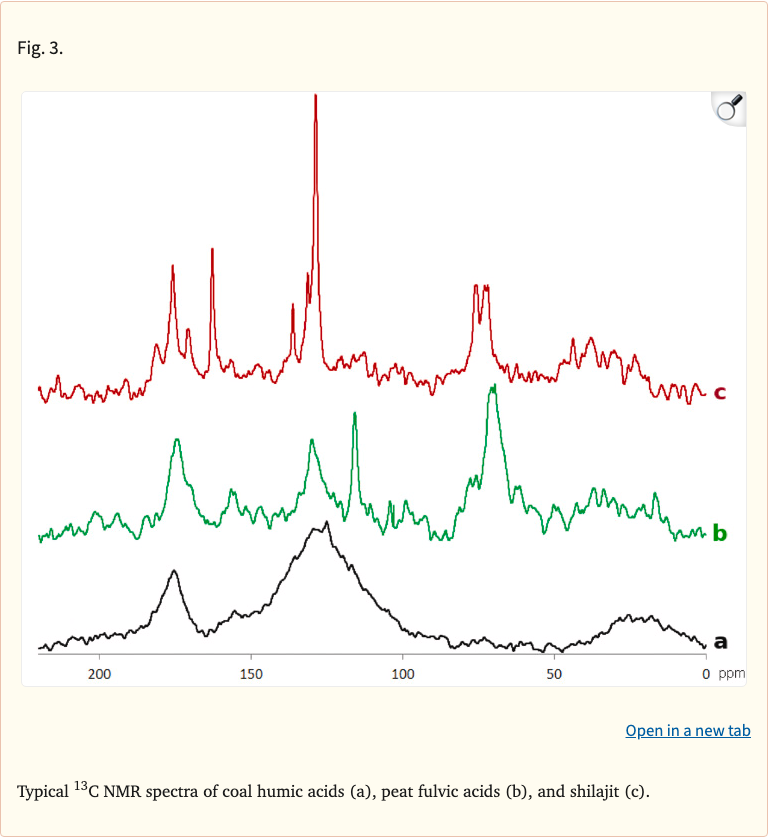 Figure 3
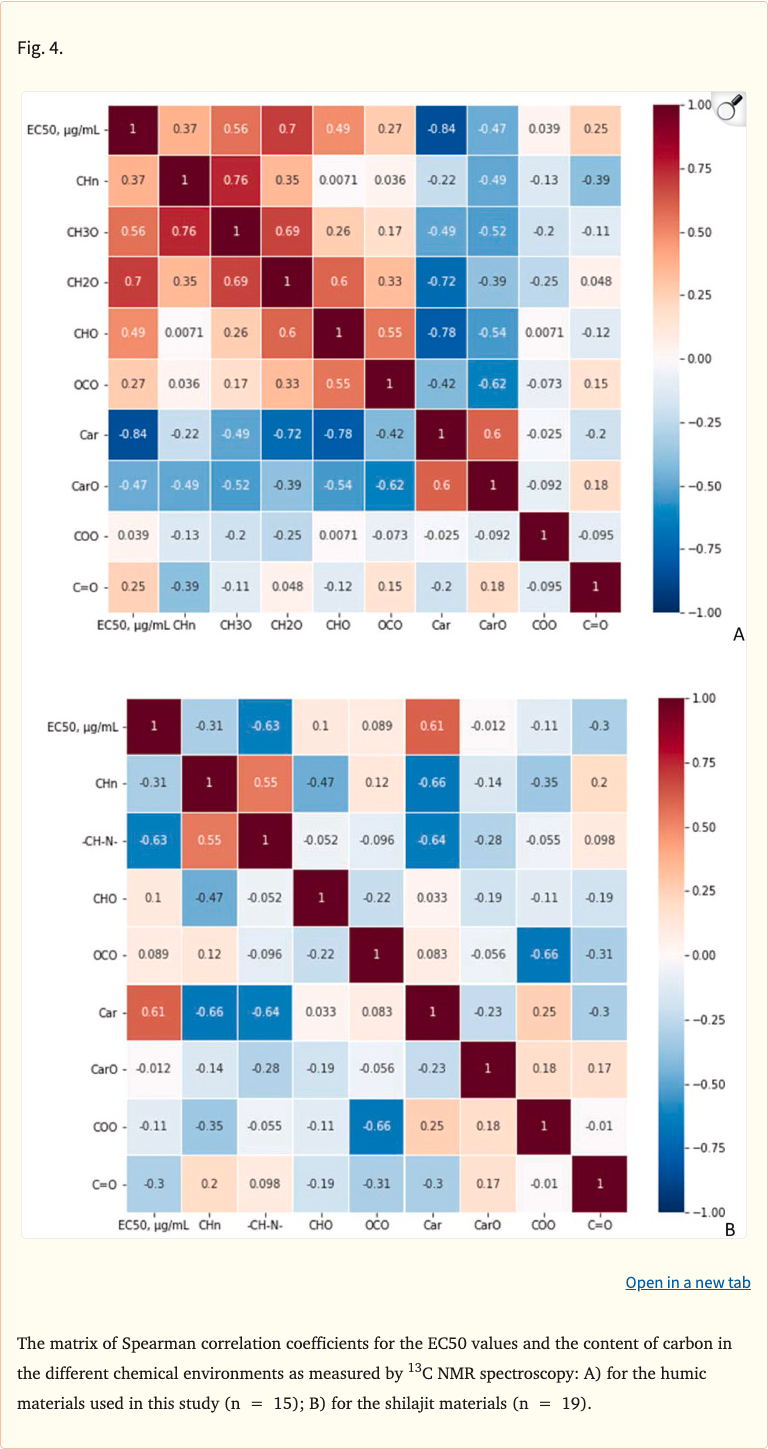 Figure 4
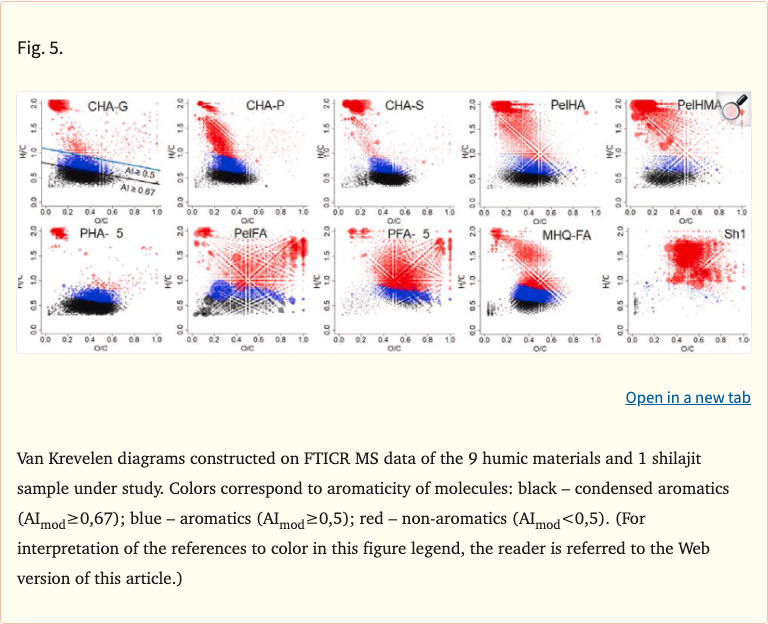 Figure 5
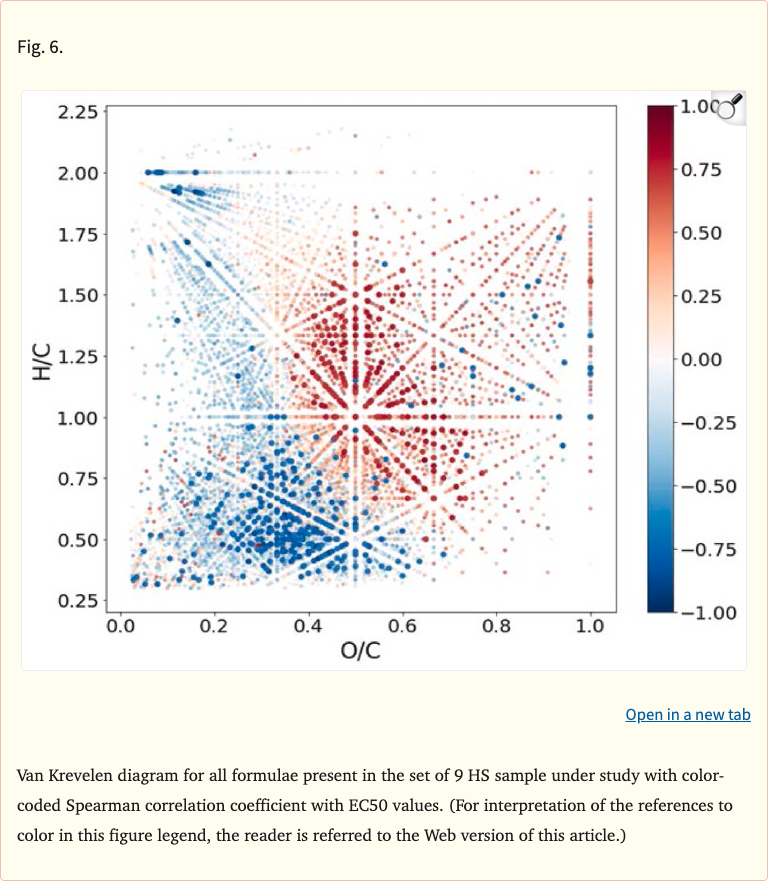 Figure 6
Limitations
- In vitro findings may not translate to humans
- No clinical trials conducted
- Mechanism of action not fully elucidated
- Variable activity between different humic acid preparations
- Optimal dosing for humans unknown