
Key Takeaway
Comprehensive review demonstrating humic substances can bind and reduce absorption of heavy metals, pesticides, and other environmental toxicants.
Summary
This comprehensive review examined the protective effects of humic substances (humic acid, fulvic acid) against various environmental toxicants including heavy metals, pesticides, and mycotoxins.
The authors analyzed multiple studies showing that humic substances can chelate heavy metals, bind organic toxicants, and reduce their bioavailability and harmful effects. The mechanisms involve the unique chemical structure of humic substances with multiple binding sites.
The review supports the potential use of humic substances for detoxification and protection against environmental pollutant exposure, while noting the need for more human clinical research.
Methods
- Systematic literature review
- Analysis of in vitro, animal, and human studies
- Focus on toxicant binding mechanisms
- Assessment of multiple toxicant categories
- Evaluation of dose-response relationships
Key Results
- Strong evidence for heavy metal chelation (lead, cadmium, mercury)
- Binding capacity for pesticides and herbicides
- Mycotoxin binding demonstrated
- Reduced absorption of toxicants when co-administered
- Protective effects in animal toxicity studies
- Some evidence for reduced toxicant biomarkers in humans
Figures
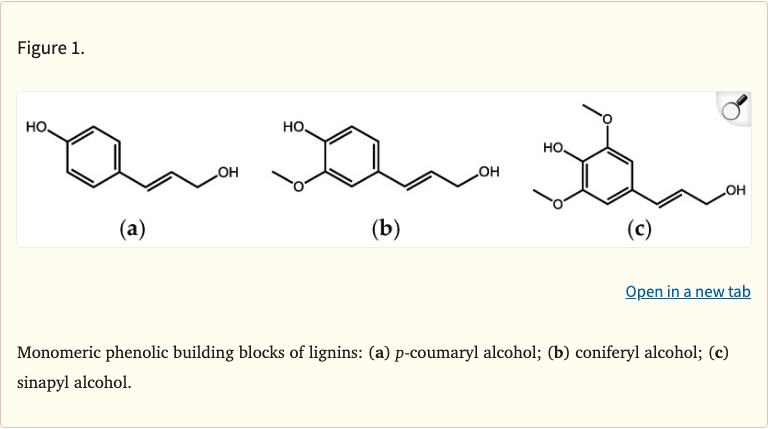 Figure 1
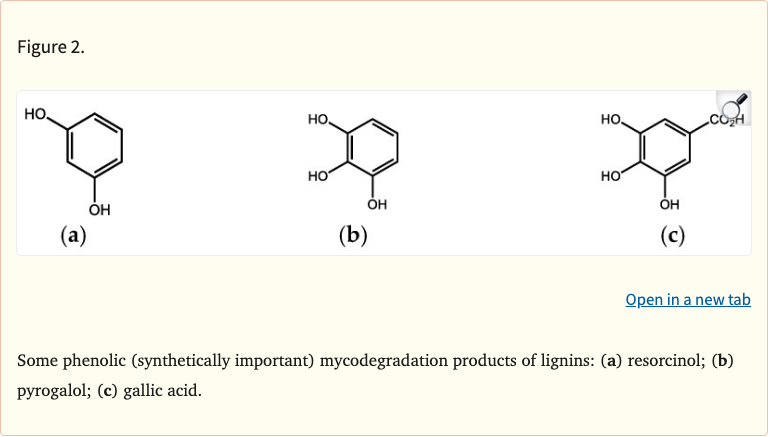 Figure 2
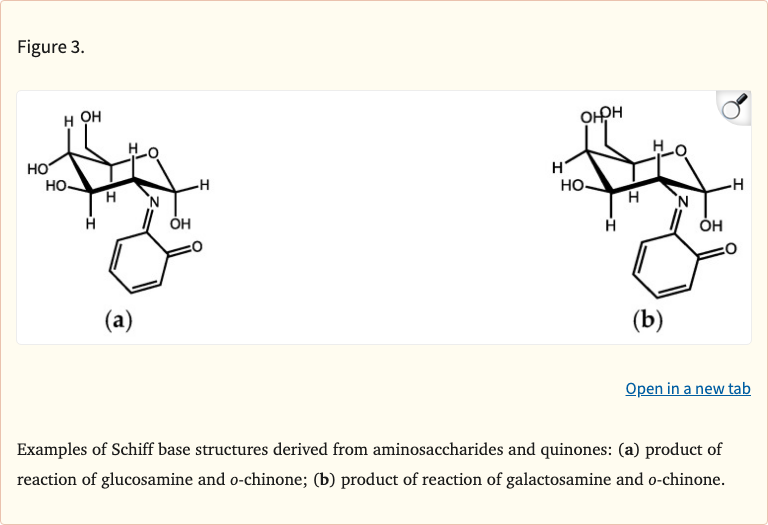 Figure 3
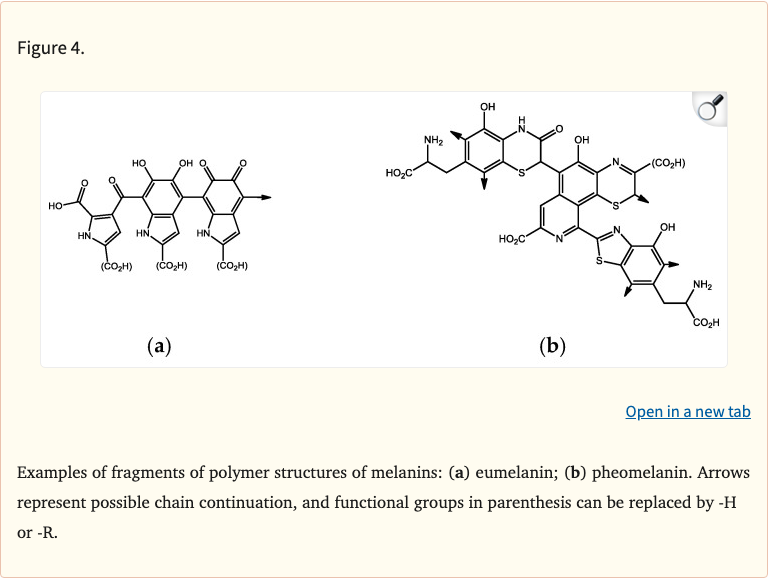 Figure 4
Limitations
- Many studies are in vitro or animal models
- Limited human clinical trials
- Variable quality of humic substances studied
- Optimal human dosing not established
- Long-term effects of humic acid supplementation unknown
- Potential for binding beneficial nutrients not fully addressed