Summary
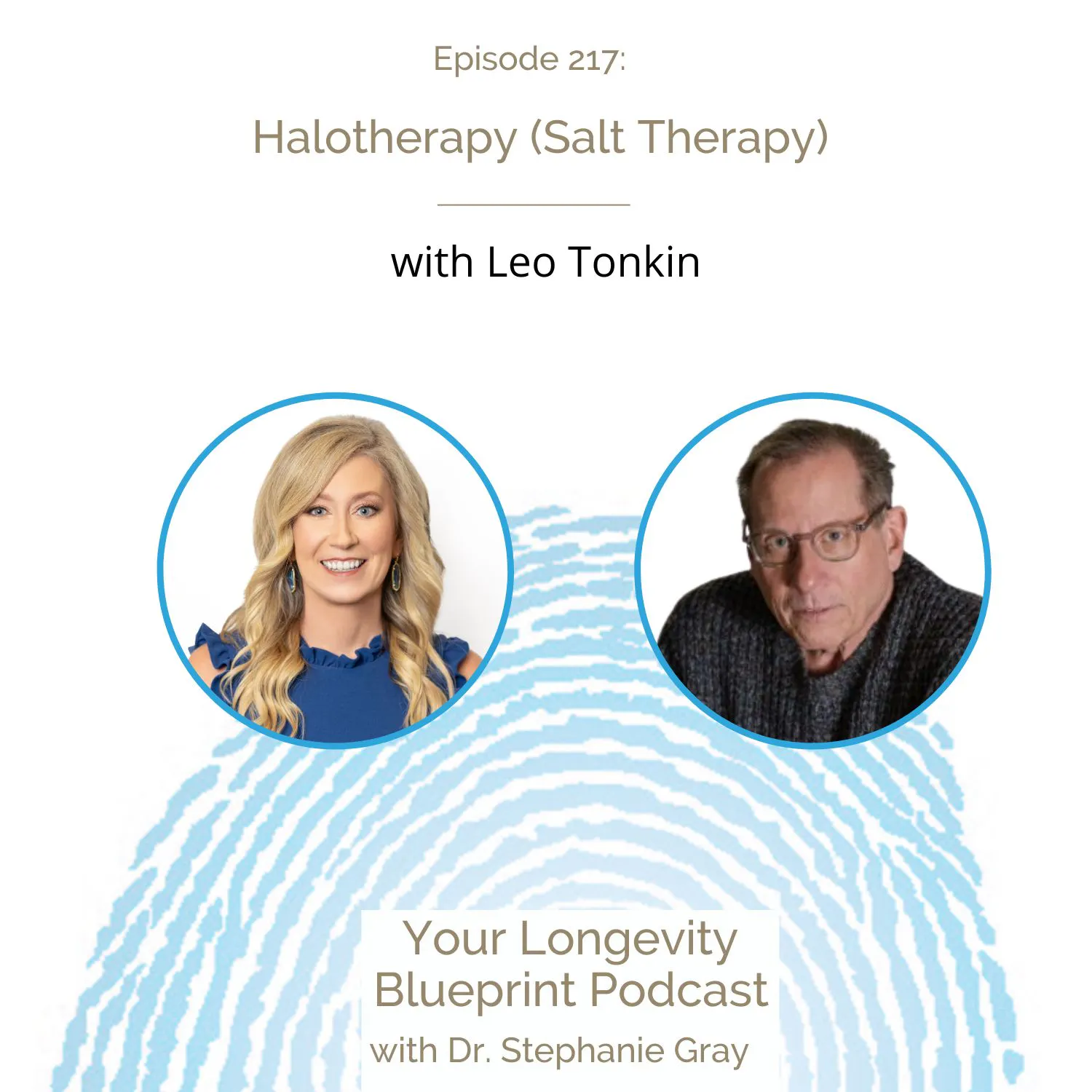
Dr. Anthony Balduzzi interviews Leo Tonkin, founder of Salt Chamber, about halotherapy and its benefits for respiratory and skin health. The episode covers the history of dry salt therapy from 1800s Eastern European salt mines to modern halo generators that create sub-micron sodium chloride particles. Leo explains the three therapeutic properties of dry salt - absorption, antimicrobial action, and anti-inflammatory effects - and discusses practical applications from commercial salt rooms to affordable home pop-up salt booths. The conversation addresses common misconceptions about Himalayan salt lamps (their negative ion claims were disproven), the difference between wet and dry salt therapy, and the growing body of research supporting halotherapy for conditions ranging from asthma and COPD to eczema and sleep issues. Leo emphasizes the importance of respiratory care as a cornerstone of longevity, noting that most people have no routine maintenance for their lungs despite breathing 20,000 breaths of often-polluted air daily.
Key Points
- Halotherapy uses pure-grade sodium chloride crushed into sub-micron dry particles, distinct from table salt, Himalayan salt, or ocean salt
- Dry salt is super absorbent, antimicrobial, and anti-inflammatory - functioning like a natural steroid when inhaled
- Salt lamp negative ion claims were legally disproven - a halo generator is required for actual therapeutic benefit
- Home halo therapy sessions take 10 minutes in a pop-up salt booth vs 25-45 minutes in larger commercial rooms
- The respiratory system is the primary determinant of longevity and quality of life according to research
- Salt therapy helps conditions including asthma, COPD, allergies, eczema, psoriasis, and sleep issues like sleep apnea
- Tony Robbins uses salt therapy specifically because it reduces upper airway inflammation and improves sleep quality
- The healthcare system spends $50 billion annually on asthma inhalers alone, while salt therapy offers a natural alternative
Key Moments
How dry salt therapy cleans the respiratory system
Leo explains the mechanism of dry salt therapy: sub-micron particles are super absorbent, pulling out mucus, pathogens, dander, and dust from the 20,000 breaths we take daily in polluted indoor and outdoor air.
"when you breathe this in, it's pulling out the mucus and the pathogens, the dander, the dust. We breathe 20,000 breaths a day. And the air quality indoors and outdoors is what gets trapped."
Salt therapy for skin conditions like eczema and psoriasis
Leo describes how sub-micron salt particles penetrate the epidermis, making salt therapy highly effective for skin conditions like eczema and psoriasis by reducing inflammation and promoting healing and recovery.
"Exposing your skin to the salt, the dry salt, tremendous. It heals and recovers, reduces the inflammation."
Tony Robbins uses salt therapy for better sleep
Leo reveals that Tony Robbins uses salt therapy specifically to reduce upper airway inflammation, which opens up the larynx and vocal cords for better breathing during sleep, addressing a common cause of sleep apnea and mouth breathing.
"We've turned more into mouth breathers than nose breathers. And that's a big cause of a lot of sleep apnea and dental and other work that needs to be done. But, for example, like Tony Robbins, he does it because he gets sleep."