Summary
Amanda Armstrong explores the science behind seasonal affective disorder (SAD) and why light exposure is the single most impactful variable for managing seasonal depression. She draws on research from Dr. Andrew Huberman, Dr. Samer Hattar (chief of light and circadian rhythms at NIMH), and Dr. Catherine Rockline (University of Pittsburgh Seasonality Research Program) to explain how melanopsin cells in the retina regulate our circadian clock and why some people are more vulnerable to SAD than others. The episode breaks down the three empirically supported treatments for seasonal depression -- antidepressant medication, bright light therapy, and CBT-SAD -- noting each has roughly a 50% success rate, which suggests different root causes across individuals. Armstrong explains the 2001 discovery of melanopsin cells and recent research showing that people with SAD tend to have lower retinal responsiveness to light specifically during winter months. The practical takeaway centers on morning sunlight exposure as the highest-payoff daily habit for mental and physical health. Armstrong recommends 5-30 minutes outside within the first hour of waking (without sunglasses), using a 10,000 lux light therapy lamp if you wake before sunrise, and dimming household lights after sunset to support circadian rhythms. She also covers how light directly impacts mood, sleep, hormone levels, immune function, and stress coping.
Key Points
- Seasonal depression is depression with a seasonal pattern, typically onset in winter with spontaneous remission in spring
- The three empirically supported SAD treatments are antidepressant medication, bright light therapy, and CBT-SAD, each with roughly 50% effectiveness
- Melanopsin cells discovered in 2001 send signals to the brain's circadian clock and people with SAD show lower retinal responsiveness to light in winter
- Reduced sunlight is the biggest contributing factor to SAD, affecting serotonin, melatonin, circadian rhythms, and potentially vitamin D levels
- Morning sunlight exposure (5-30 minutes within the first hour of waking, no sunglasses) is the single highest-payoff habit for mental and physical health
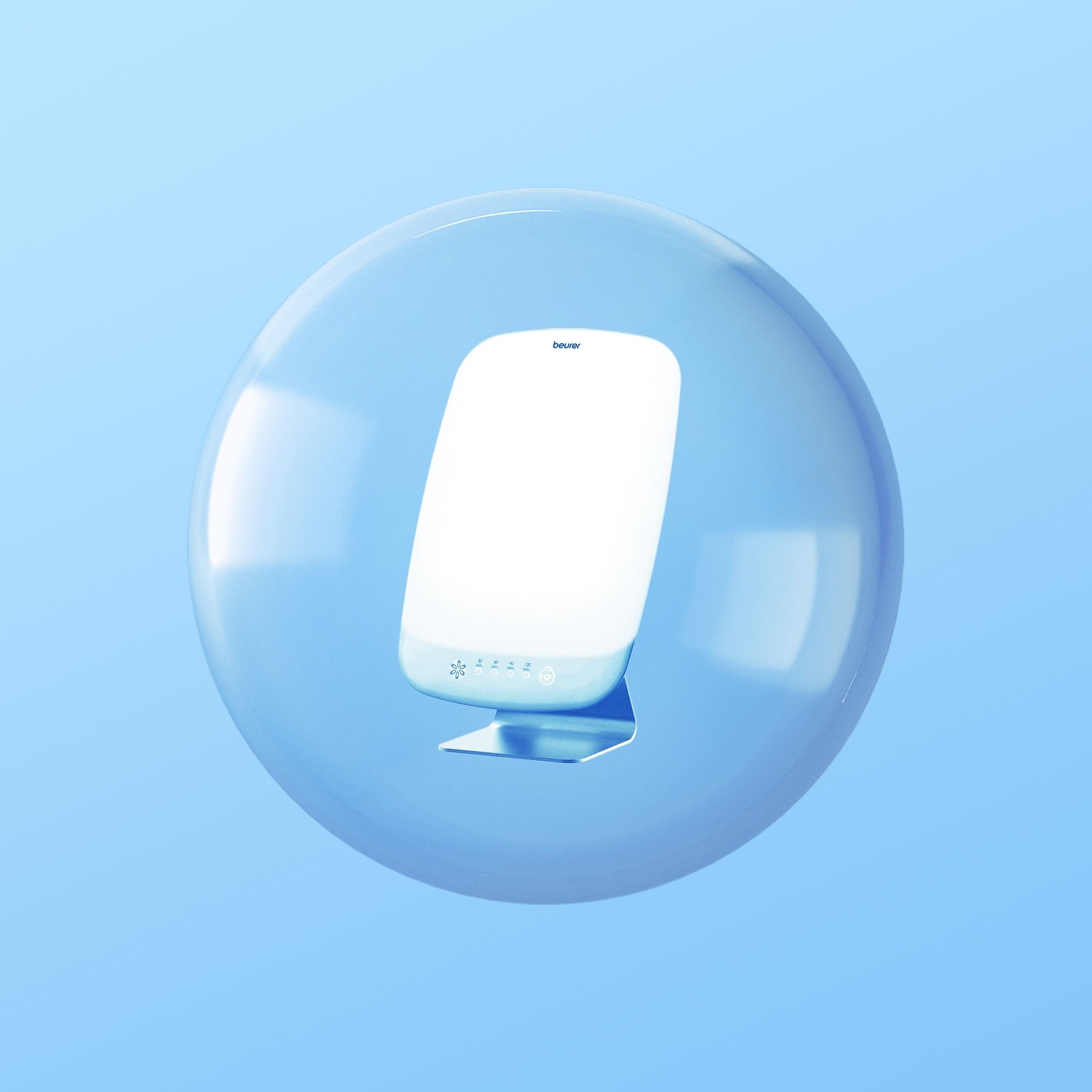
- Bright light therapy lamps (10,000 lux) used for 20-45 minutes within the first hour of waking can supplement natural light, especially for those who wake before sunrise
- Avoiding bright artificial light between 10 PM and 4 AM and dimming household lights after sunset supports healthy circadian rhythms
- Understanding your unique contributing factors (biological, relational, environmental stressors) can guide you to the most effective personalized treatment
Key Moments
Three empirically supported treatments for seasonal depression
Amanda Armstrong outlines the three treatments with research backing for seasonal affective disorder: antidepressant medication, bright light therapy, and cognitive behavior therapy focused on SAD, noting each has about a 50% effectiveness rate.
"three treatments that have been studied enough to be considered what we call empirically supportive treatments. Those three are, number one, antidepressant medication, number two, bright light therapy,"
Melanopsin cells explain why some people are more vulnerable to SAD
The host describes how melanopsin cells in the retina, discovered in 2001, send signals to the brain's circadian clock, and research suggests that people with less reactive melanopsin cells may be more vulnerable to seasonal depression.
"this new cell called melanopsin cells sends signals to the part of your brain that sets your circadian clock. This is your internal clock that keeps you waking up in the morning and sleeping at night. And it is critical and always has been for human development and well-being."
Morning sunlight is the highest-payoff habit for mental health
The host recommends getting outside within the first hour of waking for 5 to 30 minutes without sunglasses as one of the highest-payoff habits for mental and physical health, with a light therapy pad as a backup for those who wake before sunrise.
"One of the highest payoff habits for anyone all the time is to get outside in the mornings. Get outside when there's that low horizon light within the first hour-ish of being awake,"
Light directly impacts mood, sleep, hormones, and immunity
The episode explains that light exposure directly impacts mood, sleep, waking focus, hormone levels, immune function, and stress-coping ability, making it a foundational factor in overall health beyond just seasonal depression.
"Light directly impacts your mood, your sleep, your ability to wake up and focus, your hormone levels, your immune system, and light impacts your ability to cope with stress."