Summary
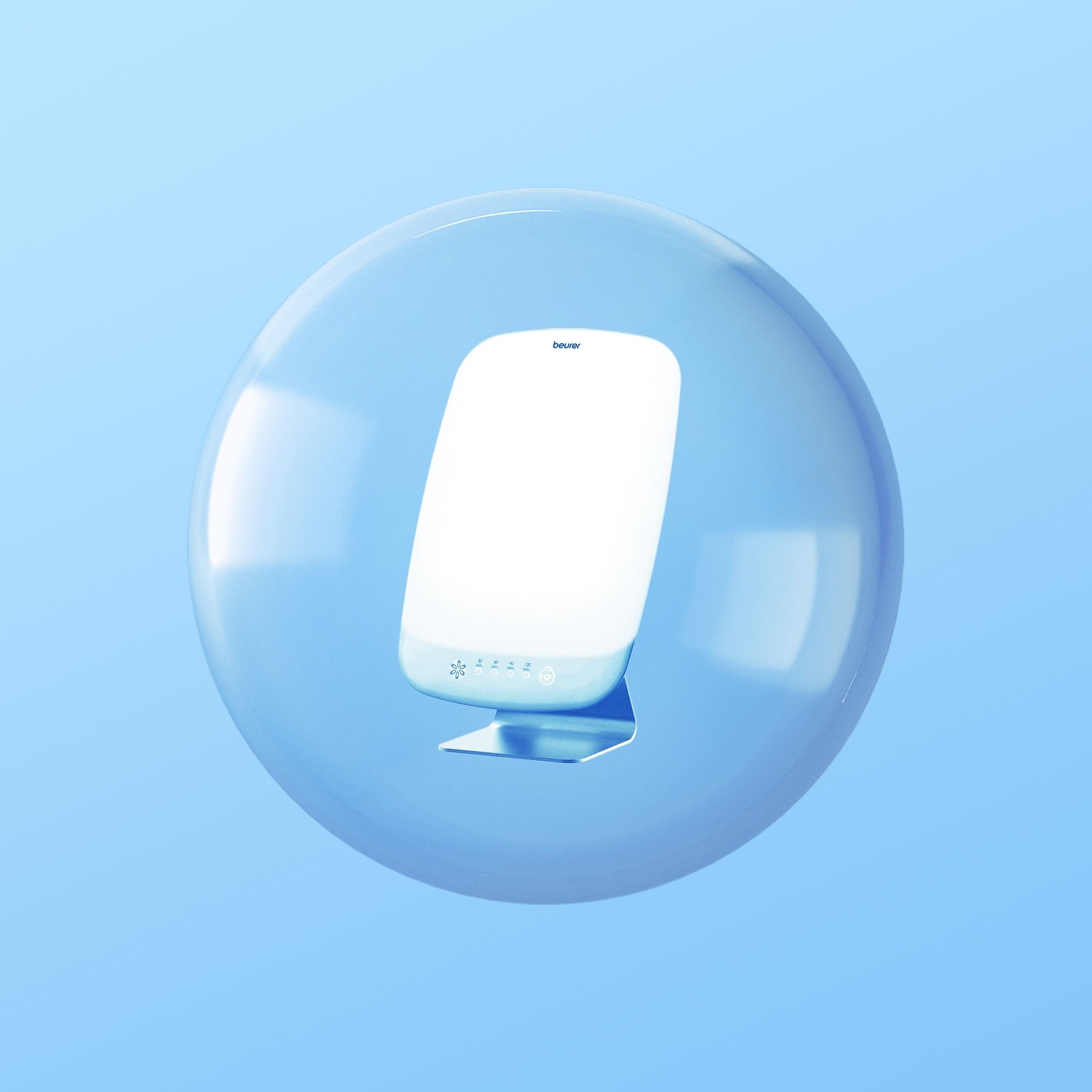
Wirecutter hosts Kyra Blackwell and Rosie Guerin talk with senior staff writer Nancy Redd, who has personally tested over 30 light therapy lamps and evaluated more than 100 for the publication's guide. Nancy explains that seasonal affective disorder is classified as a depressive disorder with seasonal pattern and that light therapy research dates back to the 1980s, when researchers discovered that sufficiently bright artificial light suppresses nighttime melatonin and can push circadian rhythms back into alignment. The episode covers the practical requirements for effective light therapy: lamps must deliver 10,000 lux, sessions should last about 30 uninterrupted minutes in the morning, and the light should be UV-free to avoid skin damage. Nancy stresses that light therapy lamps should be used under medical supervision since they can trigger manic episodes in people with bipolar disorder, and people with retinal diseases or on photosensitive medications should consult their doctors first. Nancy reviews four specific product recommendations. The Carex is the top pick for efficacy and value, with overhead positioning that mimics natural sunlight and a five-year warranty. The Northern Light Boxelite is the runner-up with warmer light and better aesthetics. The Beurer TL-95 has an Apple-like design with daylight-mimicking light. The Verilux Happy Light is the budget pick, compact and affordable but only delivers 10,000 lux at six inches. Nancy emphasizes that the first step should always be trying natural sunlight exposure outdoors before investing in a lamp.
Key Points
- Effective light therapy requires 10,000 lux for 30 uninterrupted minutes in the morning to reset circadian rhythms disrupted by winter darkness
- Light therapy lamps should be UV-free and used under medical supervision since they can trigger manic episodes in people with bipolar disorder
- People with retinal diseases like macular degeneration or diabetic retinopathy, and those on photosensitive medications, should consult doctors before using SAD lamps
- Wirecutter's top pick is the Carex lamp for its overhead positioning, five-year warranty, and affordable price around $200
- The Verilux Happy Light is the budget pick but only delivers 10,000 lux at six inches, requiring longer sessions at normal desk distance
- Larger light faces deliver effective doses faster, which is why more expensive full-size lamps outperform compact budget options
- Morning bright light exposure helps push circadian rhythms earlier, counteracting the jet-lag-like feeling that winter darkness creates
- Natural sunlight exposure should always be the first line of defense before investing in an artificial light therapy lamp
Key Moments
How SAD lamps work to reset your circadian rhythm
Nancy Redd from Wirecutter explains that SAD lamps work by pushing the circadian rhythm back into alignment through morning bright light exposure, mimicking what longer daylight hours do naturally.
"research since the 1980s has determined that circadian rhythms can actually be pushed back into alignment with morning bright light exposure, what our natural sleep-wake cycle is when days are longer, right? So basically, less daylight throws off your internal clock and less"
The 10,000 lux threshold for effective light therapy
The expert explains that researchers determined 10,000 lux is the minimum brightness for effective light therapy, much brighter than regular household lighting, and that the light must be UV-free and delivered through a controlled, safe design.
"they've come up with a minimum for light therapy to work effectively. And that is 10,000 lux. Lux is a way to measure light output. That's very bright. So they also have to figure out how to present it in a controlled and safe way. And that's where the sad lamp or light box comes."
Use SAD lamps 30 minutes each morning for best results
Wirecutter's expert recommends using a 10,000 lux lamp for 30 uninterrupted minutes per day in the morning, explaining that morning bright light exposure undoes the jet-lag effect that winter causes and realigns the natural sleep-wake cycle.
"experts say that to be effective, the lamp needs to offer 10,000 lux, and you need to have access to that 10,000 lux for about 30 uninterrupted minutes per day, ideally in the morning."
Who should be cautious with light therapy
Nancy Redd warns that people with bipolar disorder risk triggering manic episodes from light therapy, those with retinal diseases should consult their ophthalmologist, and certain photosensitive medications can interact with the treatment.
"anyone with a history of bipolar disorder should know that light therapy has the potential to trigger a manic episode in susceptible individuals. There are also some important physical contraindications because we don't fully know the long-term effects of light therapy on the retina."