



SAD Lamp (Bright Light Therapy)
Episodes covering sad lamp (bright light therapy) — protocols, research, and expert discussions.
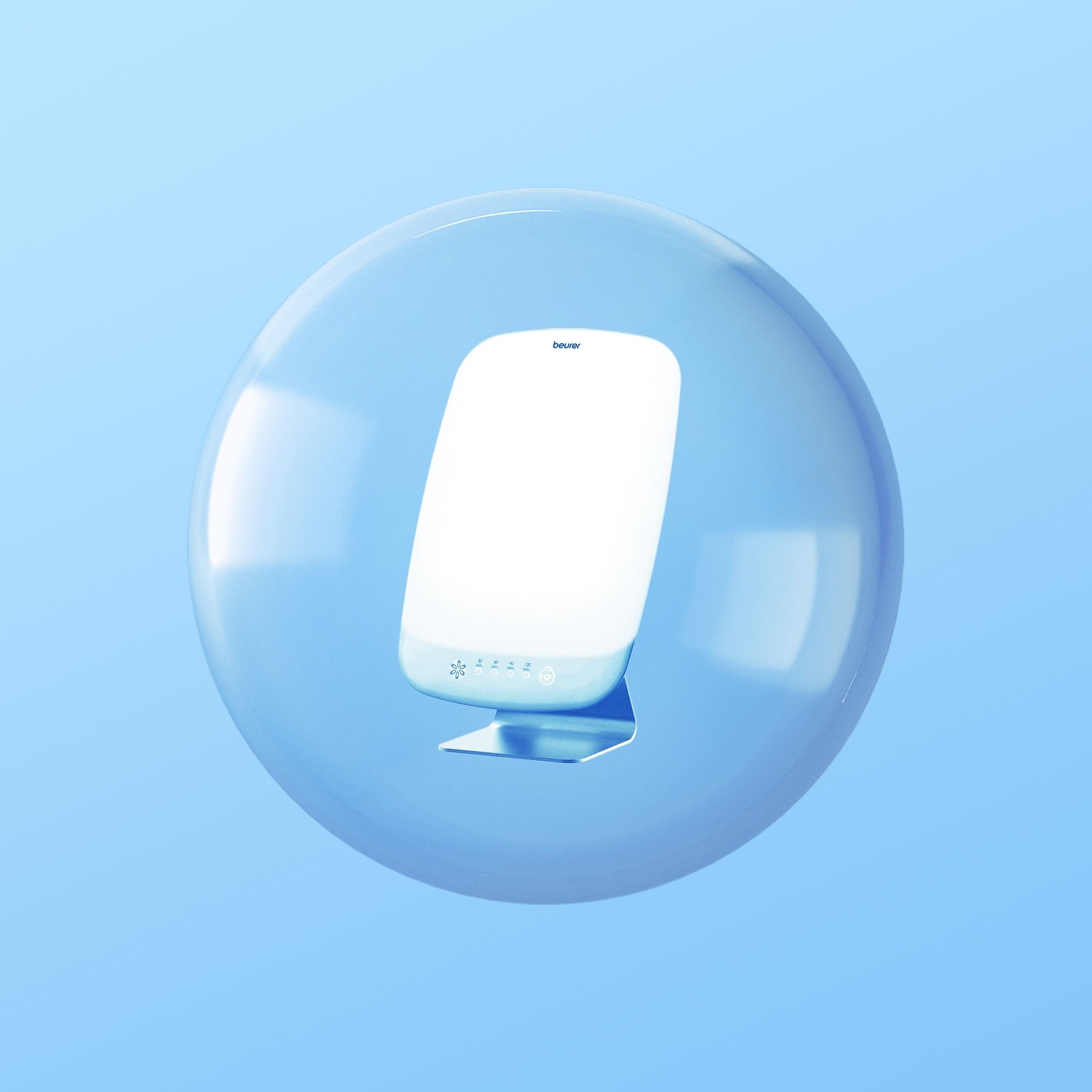
Bright light therapy devices that emit 10,000 lux to treat Seasonal Affective Disorder (SAD) and regulate circadian rhythms
SAD lamps emit bright visible light (typically 10,000 lux) to simulate natural daylight and treat seasonal depression. This is different from UVB/vitamin D lamps (which produce vitamin D in skin) and red light therapy (different wavelengths for cellular effects).
What the evidence shows:
- Strong evidence for treating Seasonal Affective Disorder (SAD)
- Effective for non-seasonal depression as adjunct therapy
- Helps regulate circadian rhythms and sleep timing
- Improves alertness and cognitive performance
Key considerations:
- Works through eyes, not skin (unlike vitamin D lamps)
- Morning use most effective for most people
- Effects can be felt within days
- FDA-recognized treatment for SAD
A-level evidence. One of the most well-studied light interventions with decades of research supporting efficacy for SAD and circadian rhythm issues. Simple, safe, and affordable first-line treatment for winter depression.
Science & Mechanisms
How Bright Light Therapy Works:
- Light enters the eyes (not skin)
- Specialized retinal cells (ipRGCs) detect light
- Signal sent to suprachiasmatic nucleus (SCN)
- SCN regulates circadian rhythms
- Downstream effects on melatonin, cortisol, serotonin
Key Mechanisms:
Circadian Phase Shifting:
- Morning light advances circadian rhythm
- Evening light delays circadian rhythm
- Helps correct misaligned sleep-wake cycles
Neurotransmitter Effects:
- Suppresses melatonin (alerting effect)
- Increases serotonin activity
- Modulates dopamine pathways
- Affects norepinephrine systems
SAD Lamp vs Other Light Therapies:
| Device | Wavelength | Works Through | Primary Use |
|---|---|---|---|
| SAD lamp | Visible (white/blue) | Eyes | Mood, circadian |
| Vitamin D lamp | UVB (290-315 nm) | Skin | Vitamin D production |
| Red light panel | Red/NIR (630-850 nm) | Skin/tissue | Cellular energy, healing |
Dose-Response:
- 10,000 lux for 20-30 minutes = standard dose
- 2,500 lux requires 1-2 hours
- Distance from device affects intensity
- Timing matters more than duration
Why Winter Affects Mood:
- Reduced daylight hours
- Less outdoor time
- Circadian rhythm disruption
- Melatonin timing shifts
- Bright light compensates for missing sun
Episodes
Gary Brecka joins The Ultimate Human with Gary Brecka to discuss how to beat seasonal affective disorder (sad). Key topics include performance optimization strategies backed by ...
Hosts Tegan Taylor and Dr. Norman Swan walk through the electromagnetic spectrum from infrared to ultraviolet, examining the health claims around different colors of light. They...
Jonathan Wolf covers the science of winter depression with prof. debra skene – leading chronobiologist. Key topics include mental health support through lifestyle interventions;...
Andrew Huberman delivers a comprehensive overview of how different wavelengths of light affect human biology. He explains that light is electromagnetic energy absorbed by photor...
Wirecutter hosts Kyra Blackwell and Rosie Guerin talk with senior staff writer Nancy Redd, who has personally tested over 30 light therapy lamps and evaluated more than 100 for ...
Gemma and Kate, hosts of this British-American comedy podcast, have a casual conversation that touches on SAD lamps amid a wide-ranging discussion about weddings, camping, and l...

Amanda Armstrong explores the science behind seasonal affective disorder (SAD) and why light exposure is the single most impactful variable for managing seasonal depression. She...
Registered dietitians Briarley Horton and Carolyn Williams discuss seasonal affective disorder (SAD) in a conversational, practical episode. They reveal that SAD symptoms can be...

Josh and Chuck from Stuff You Should Know break down seasonal affective disorder in an accessible, entertaining format. They explain that SAD was first formally described in a 1...
Registered dietitians Briarley Horton and Carolyn Williams take a proactive approach to seasonal affective disorder, urging listeners to get ahead of SAD before symptoms set in....

Dr. Roger Seheult, a board-certified critical care and pulmonary physician, joins Steven Bartlett to discuss his "NEWSTART" framework of eight health pillars -- nutrition, exerc...