


Accelerated TMS (Transcranial Magnetic Stimulation)
Episodes covering accelerated tms (transcranial magnetic stimulation) — protocols, research, and expert discussions.
Intensive 5-day brain stimulation protocol using magnetic pulses to treat depression and anxiety, compressing months of traditional TMS into one week
Accelerated TMS, developed by the late Dr. Nolan Williams at Stanford, represents a breakthrough in brain stimulation therapy. Traditional TMS requires daily sessions for 6+ weeks; accelerated TMS compresses this into 5 intensive days.
Tim Ferriss's experience:
- Anxiety dropped from 8-9/10 to near zero
- Effects lasted 3-4 months per treatment
- Describes it as "computer chips over pills"
- Has done multiple rounds
Evidence status:
- FDA-cleared for depression (traditional TMS)
- Stanford SAINT protocol showed 90% remission rates in trials
- Growing adoption at specialized clinics
- Strong mechanistic understanding
Important context:
- Requires clinical setting with trained practitioners
- Not a DIY intervention
- Expensive but potentially life-changing for treatment-resistant cases
- Different from consumer "brain stimulation" devices
One of the most promising developments for treatment-resistant depression and anxiety. If you've tried medications without success and have the resources, this deserves serious consideration.
Science & Mechanisms
How TMS Works:
Basic Mechanism:
- Magnetic coil placed against scalp
- Produces brief magnetic pulses
- Induces electrical currents in brain tissue
- Modulates neural activity in targeted regions
Accelerated Protocol Innovation:
- Traditional: 1 session/day for 6 weeks (30+ sessions)
- Accelerated (SAINT): 10 sessions/day for 5 days (50 sessions)
- Same total "dose" compressed in time
- May be more effective due to neuroplasticity principles
Stanford SAINT Protocol:
- Intermittent theta burst stimulation (iTBS)
- 1,800 pulses per session
- 10 sessions per day
- 50-minute intervals between sessions
- Precise targeting using fMRI
- Focus on left dorsolateral prefrontal cortex (DLPFC)
Neurobiological Effects:
Immediate:
- Increased cortical excitability
- Altered blood flow patterns
- Neurotransmitter modulation
Sustained:
- Synaptic plasticity changes
- Network connectivity shifts
- Gene expression changes
- BDNF upregulation
Key Research:
Stanford SAINT Trial (2022):
- 90% response rate
- 79% remission rate
- Effects sustained at 4-week follow-up
- Rapid onset (within days)
Traditional TMS Meta-analyses:
- 50-60% response rates
- 30-40% remission rates
- Effects last months to years for many
Episodes
40-60% of addiction risk is genetic, but recovery approaches work regardless of predisposition. 12-step programs remain highly effective as free, accessible community support wi...
Dr. Nolan Williams, director of the Stanford Brain Stimulation Lab, discusses breakthrough electroceutical treatments achieving 70-90% remission rates for depression. Triple boa...
Dr. William Pawluk joins functional nutritionist Lori Hammer to discuss how PEMF therapy can benefit brain health, neurological conditions, and chronic pain. The conversation op...

Tim Ferriss and Kevin Rose celebrate 10 years of the Random Show in a live recording, covering a wide range of topics. Ferriss shares his personal experience with accelerated TM...
Tim Ferriss shares his interview from the 10% Happier podcast with Dan Harris, discussing how he has fundamentally changed his approach to life. Ferriss details his latest exper...
Two interventional psychiatrists discuss how accelerated TMS and psychedelics are being adapted for OCD treatment. Dr. Noah DeGaetano, who founded a TMS program at Palo Alto Med...

Dr. Owen Muir, founder of Fermata Health in Brooklyn and one of the leading TMS practitioners in the country, provides a comprehensive overview of transcranial magnetic stimulat...
Dr. Owen Muir delivers a focused explainer on accelerated TMS, using vivid analogies to make the neuroscience accessible. He compares TMS to a piano tuner getting an orchestra b...
Dr. Owen Muir uses a meta-article format to both teach his writing process and discuss a new study on TMS for suicidal ideation. He shares his workflow for producing prolific he...
Dr. Georgine Nanos, founder of Kind Health Group in Encinitas, California, discusses her work with accelerated TMS for treating veterans and service members with treatment-resis...

A mother shares her daughter Chase's journey through accelerated TMS treatment for severe, long-standing depression, while Dr. Martha Koo provides clinical context. The episode ...

Dr. Craig Heacock interviews Dr. Elizabeth Fenstermacher, founder of the TMS Clinic at CU Anschutz medical school, in an episode inspired by the late Nolan Williams' pioneering ...
Dr. Martha Koo, who runs 11 TMS centers across California and is immediate past president of the Clinical TMS Society, shares her pioneering journey from purchasing one of the f...

This is the 10% happier podcast. I'm Dan Harris. Hello, everybody. How we doing? Today, I'm talking to my man, Tim Ferriss, who is these days leading, in his words, a different ...
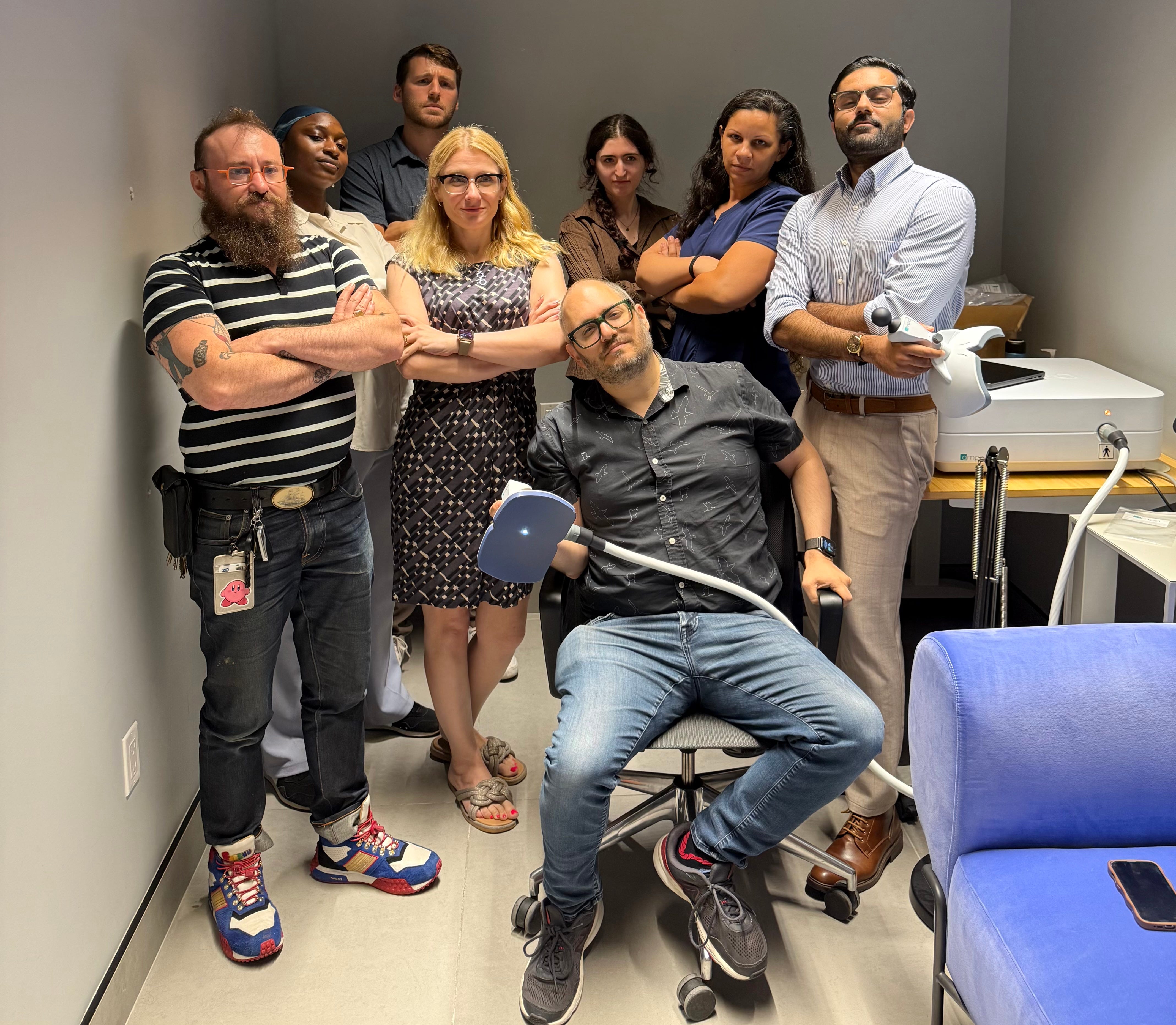
Dr. Owen Muir and Dr. Will Sauve discuss an emerging application of TMS: treating auditory hallucinations in psychosis and schizophrenia. They review a sham-controlled, triple-b...