
Key Takeaway
SAINT protocol achieved 79% remission rate in treatment-resistant depression with effects appearing within days.
Summary
This landmark study evaluated the Stanford Accelerated Intelligent Neuromodulation Therapy (SAINT) protocol for treatment-resistant depression.
Key findings:
- 79% remission rate (vs 13% sham)
- 90% response rate
- Effects appeared within 5 days
- Sustained at 4-week follow-up
Protocol:
- 10 sessions per day for 5 days
- Intermittent theta burst stimulation
- fMRI-guided targeting
- 90,000 total pulses
Patient population:
- Treatment-resistant depression
- Failed 2+ antidepressant trials
- Moderate to severe symptoms
Safety:
- No serious adverse events
- Mild headache most common side effect
- No cognitive impairment
Clinical significance:
Represents major breakthrough in depression treatment, demonstrating that accelerated TMS can achieve rapid remission in previously treatment-resistant patients.
Figures
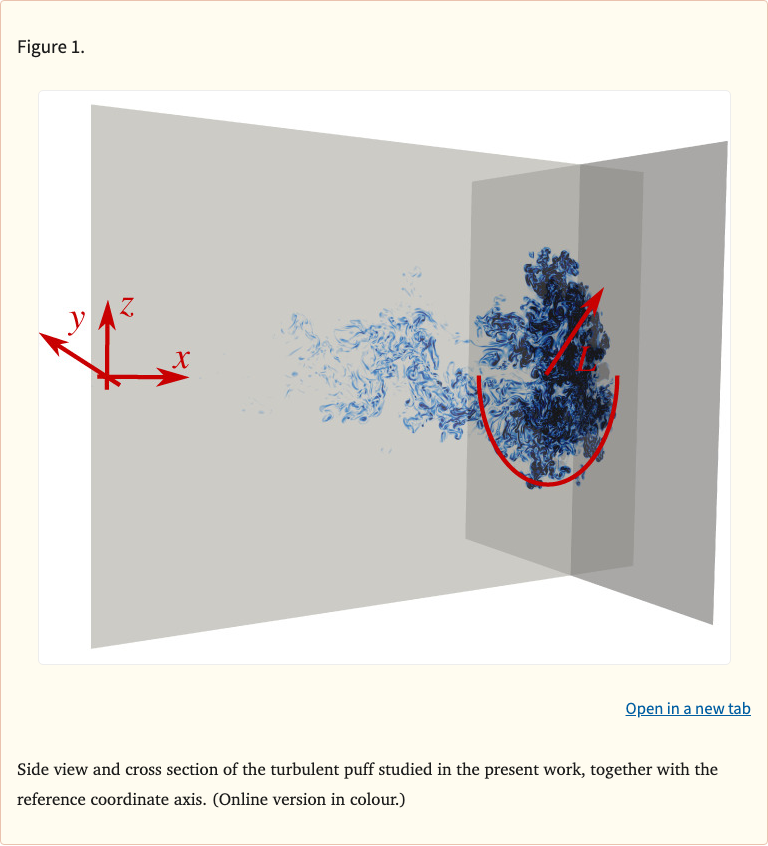 Figure 1
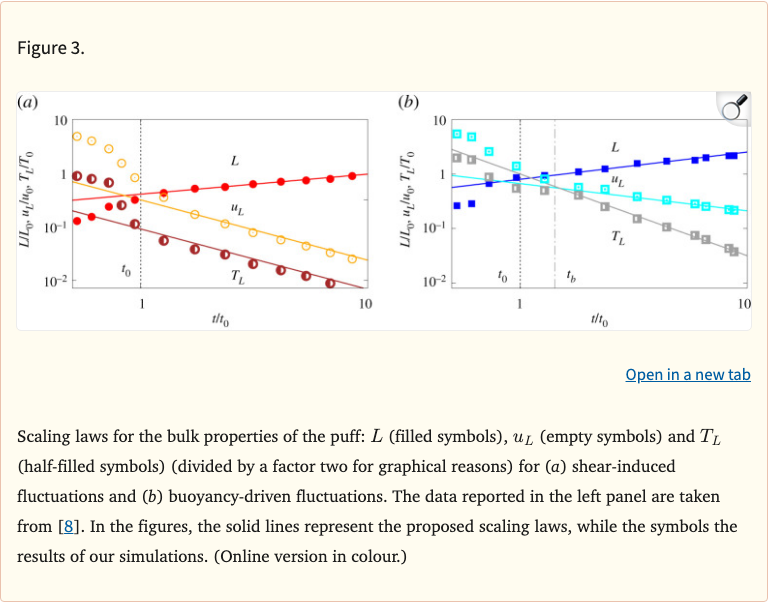 Figure 3
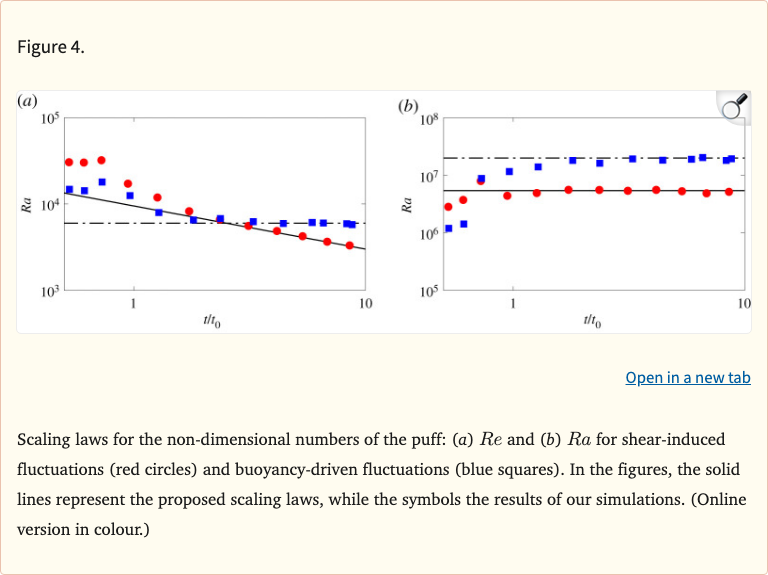 Figure 4
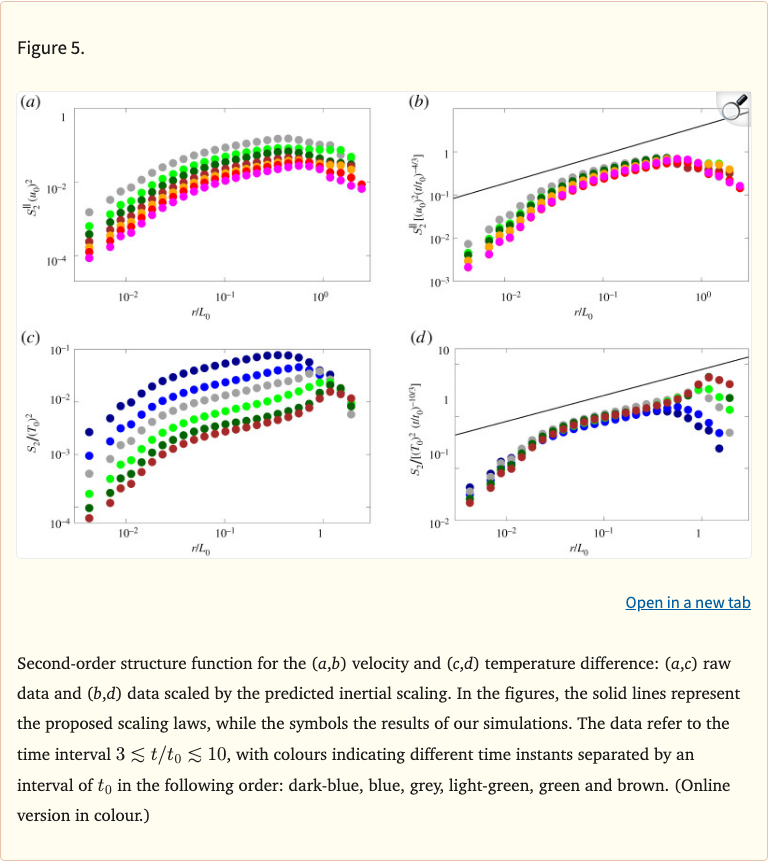 Figure 5
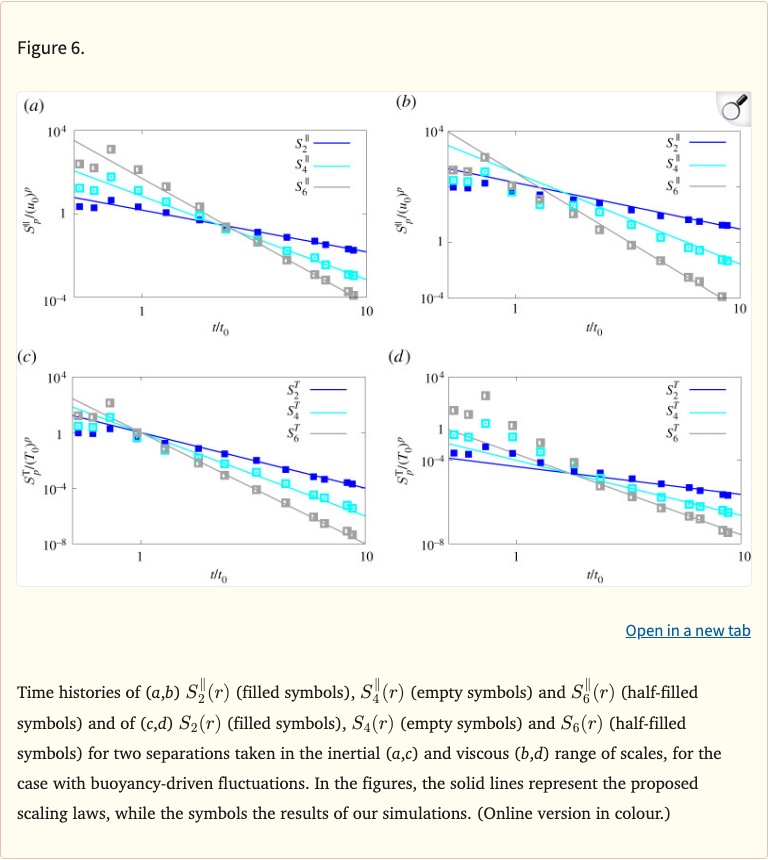 Figure 6