
Key Takeaway
Literature review found limited high-quality evidence for trigger point dry needling, with most studies showing short-term pain relief but methodological concerns.
Summary
This literature review examined the evidence base for dry needling as a clinical intervention, with implications for developing clinical practice guidelines.
The review found that while several studies demonstrate immediate or short-term pain improvements from dry needling trigger points, high-quality long-term evidence is lacking. The authors discuss the distinction between trigger point dry needling and acupuncture-style approaches.
Methods
- Narrative literature review
- Examined controlled trials on dry needling
- Assessed methodological quality
- Reviewed proposed mechanisms of action
Key Results
- Short-term pain relief demonstrated in multiple studies
- Limited high-quality long-term evidence
- Various needling techniques used across studies
- Trigger point identification criteria inconsistent
- Generally safe when performed correctly
Figures
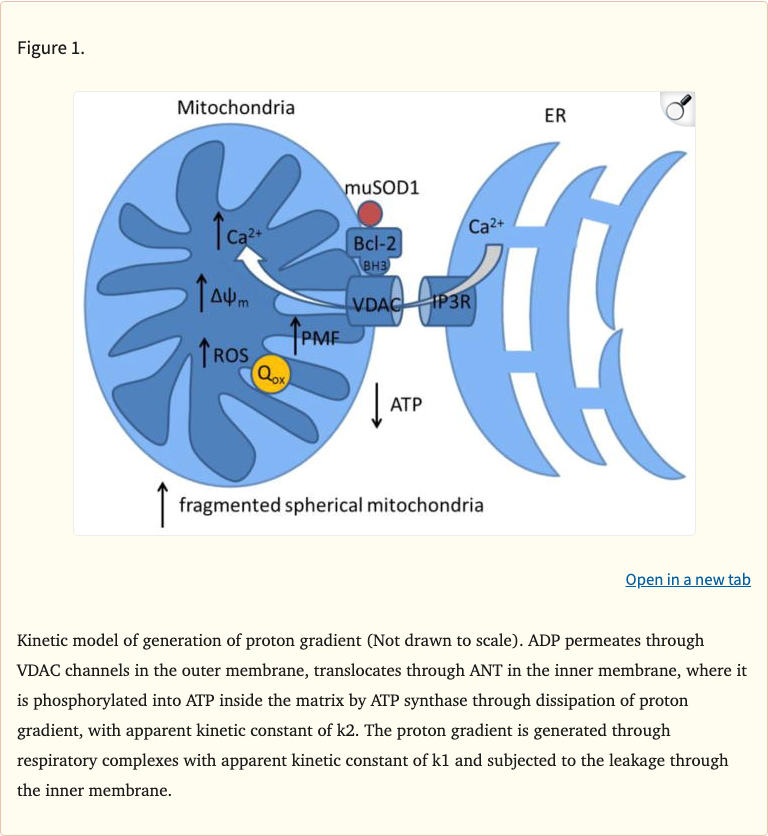 Figure 1
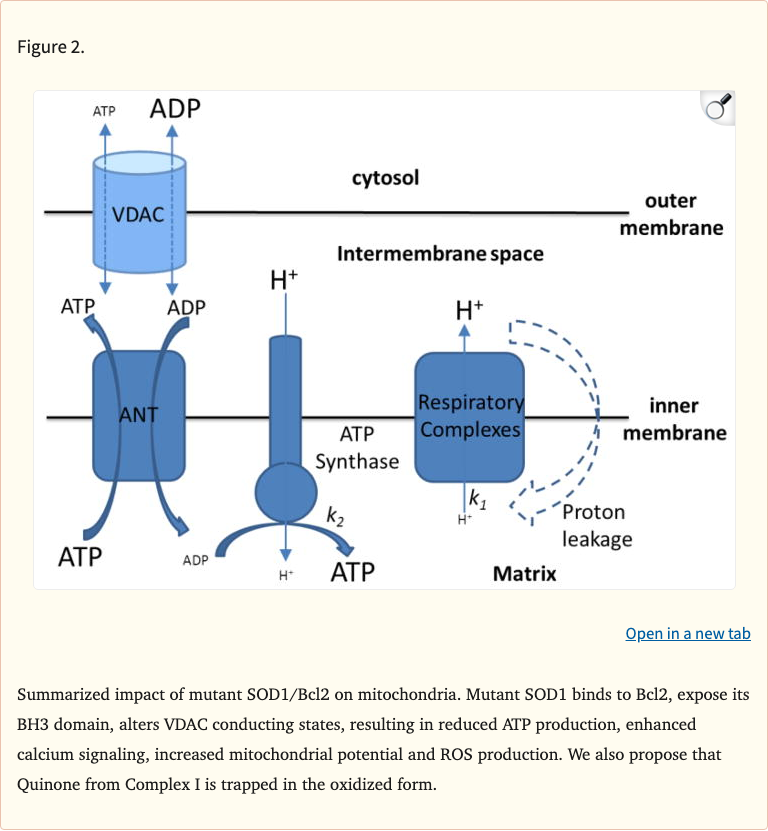 Figure 2
Limitations
- Narrative review (not systematic)
- Heterogeneous study designs reviewed
- Trigger point diagnostic criteria debated
- Optimal protocols not established