Key Takeaway
Meta-analysis of 10 studies found bovine colostrum significantly increases salivary IgA levels in athletes and may reduce upper respiratory tract infection incidence during heavy training.
Summary
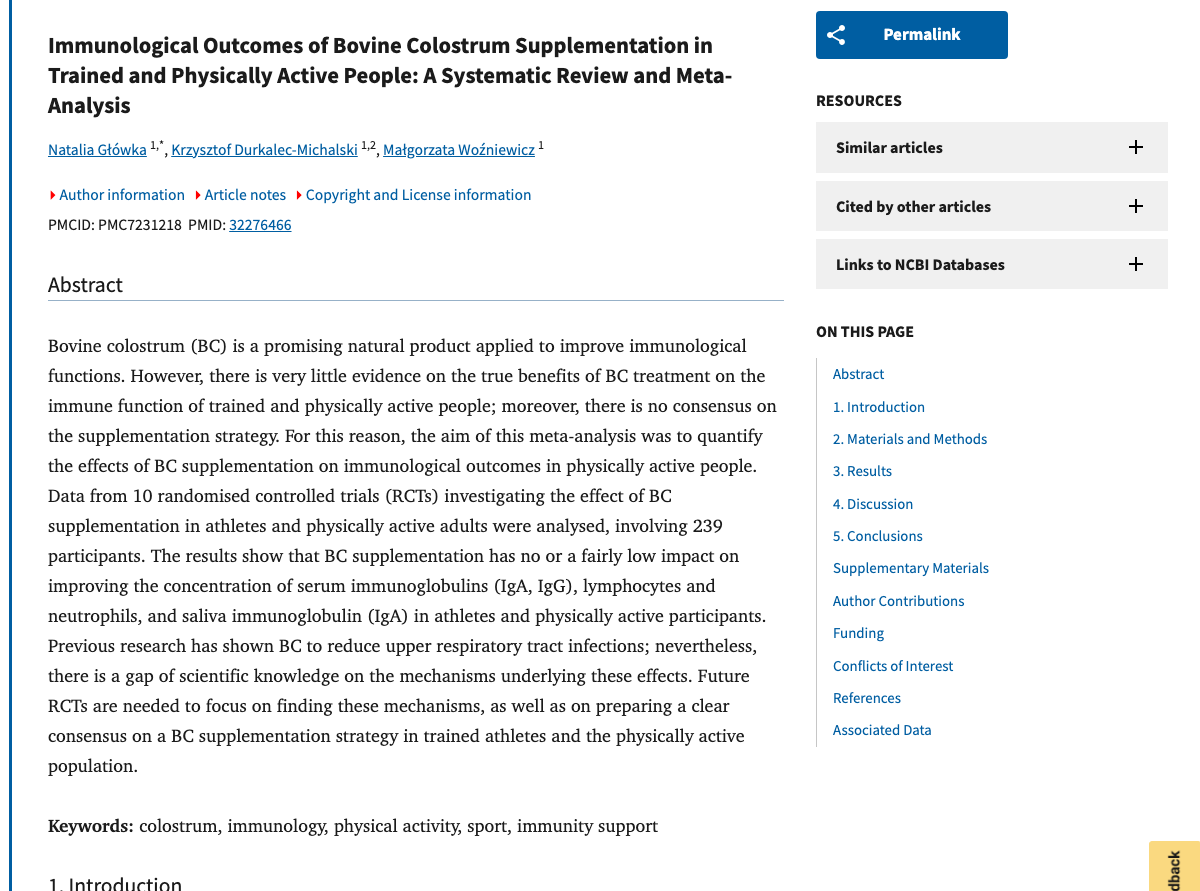
This systematic review and meta-analysis evaluated the immunological effects of bovine colostrum supplementation in trained and physically active individuals. The authors searched PubMed, Web of Science, Scopus, and Cochrane Library and identified 10 studies meeting inclusion criteria, encompassing various immune biomarkers including salivary immunoglobulins (IgA), serum immunoglobulins (IgG, IgA, IgM), and upper respiratory tract infection (URTI) incidence.
The meta-analysis found that bovine colostrum supplementation significantly increased salivary IgA concentrations compared to placebo, which is particularly relevant since salivary IgA serves as a first-line mucosal immune defense and is known to decline during periods of intense training. The pooled analysis also showed trends toward increased serum IgG levels, though these did not always reach statistical significance. Several individual studies reported reduced duration and severity of upper respiratory symptoms during supplementation periods.
The authors concluded that bovine colostrum may help maintain mucosal immunity during periods of heavy exercise training, potentially reducing susceptibility to URTIs. However, they noted significant heterogeneity across studies in dosing protocols (10-60 g/day), supplementation duration (2-12 weeks), and outcome measures. They called for larger, well-designed RCTs with standardized protocols to confirm these immunological benefits.
Methods
Systematic review following PRISMA guidelines with searches across PubMed, Web of Science, Scopus, and Cochrane Library. Ten studies were included in the qualitative synthesis, with subsets included in random-effects meta-analyses for specific immune markers (salivary IgA, serum IgG, serum IgA). Risk of bias was assessed using the Cochrane tool. Forest plots with standardized mean differences were generated for pooled outcomes.
Key Results
Bovine colostrum supplementation significantly increased salivary IgA levels compared to placebo in the pooled analysis. Trends toward increased serum IgG were observed but did not consistently reach statistical significance. Individual studies reported reduced URTI episode duration during supplementation. Subgroup analyses suggested that longer supplementation periods (>4 weeks) and higher doses may produce more consistent immune benefits. Heterogeneity was high across several outcomes (I-squared > 50%).
Figures
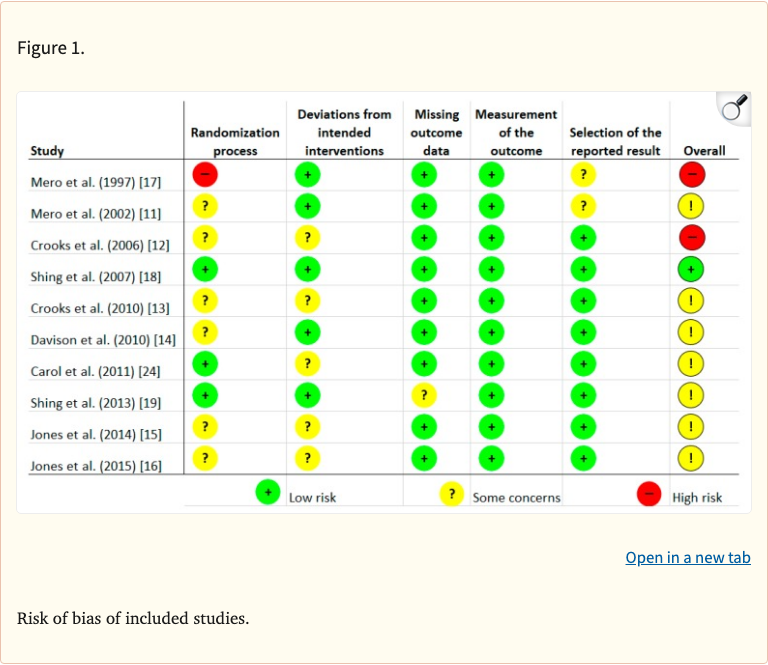 Figure 1
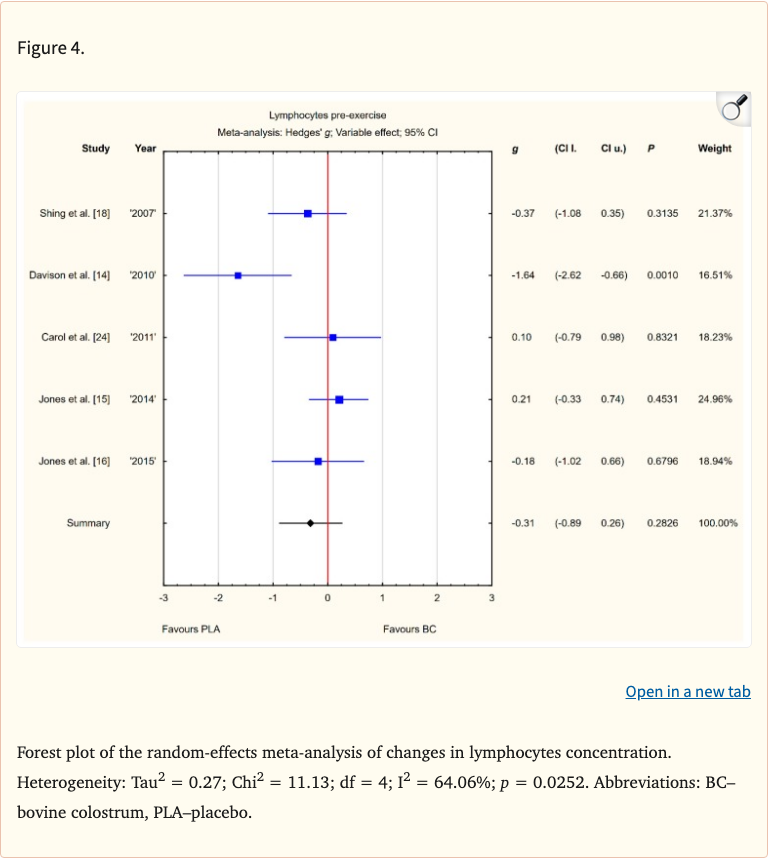 Figure 2
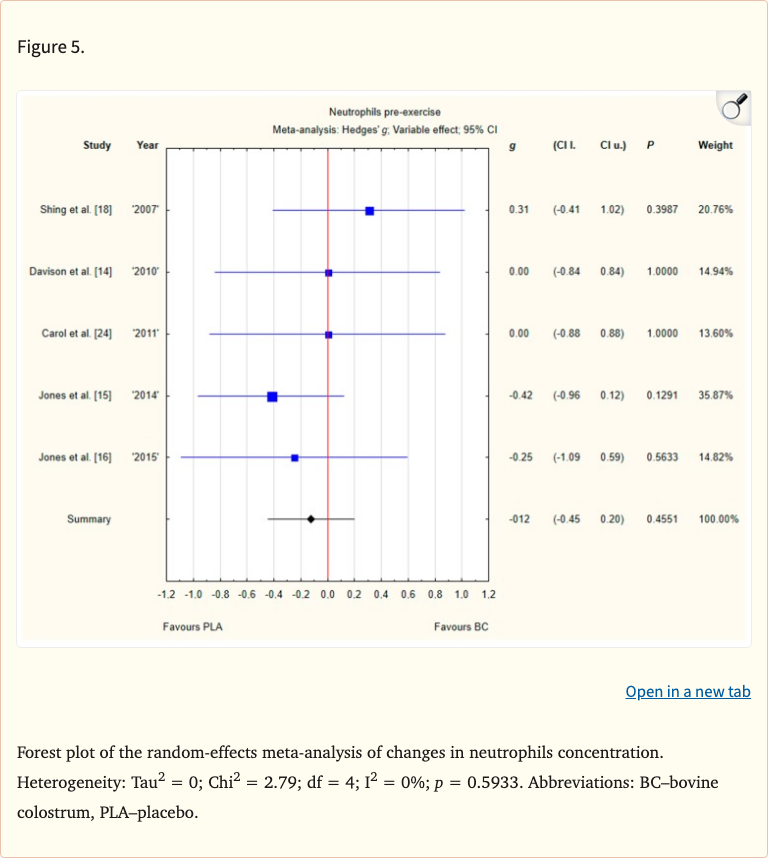 Figure 3
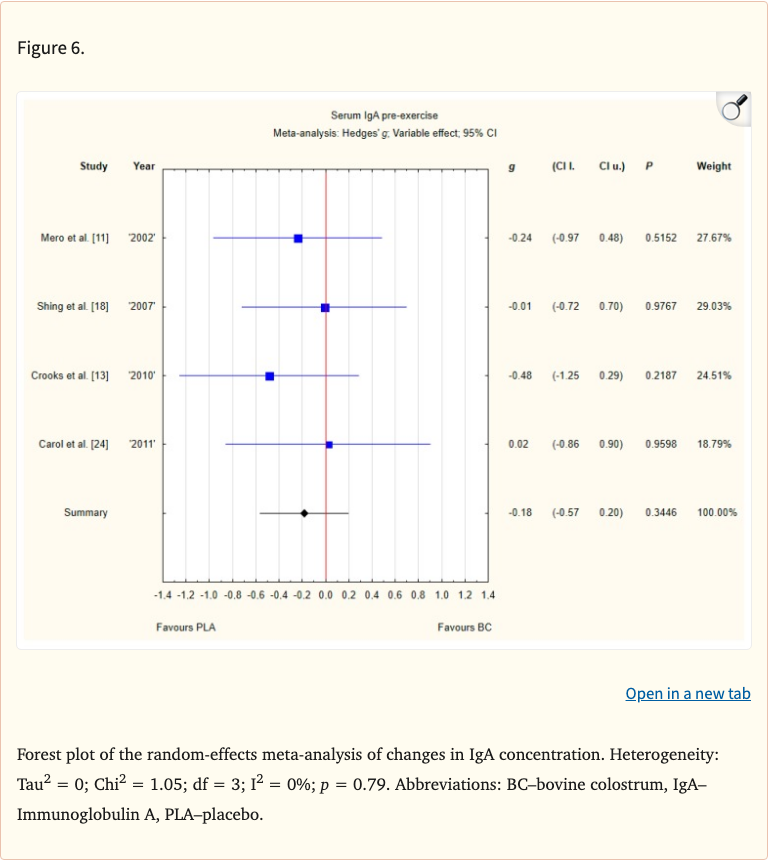 Figure 4
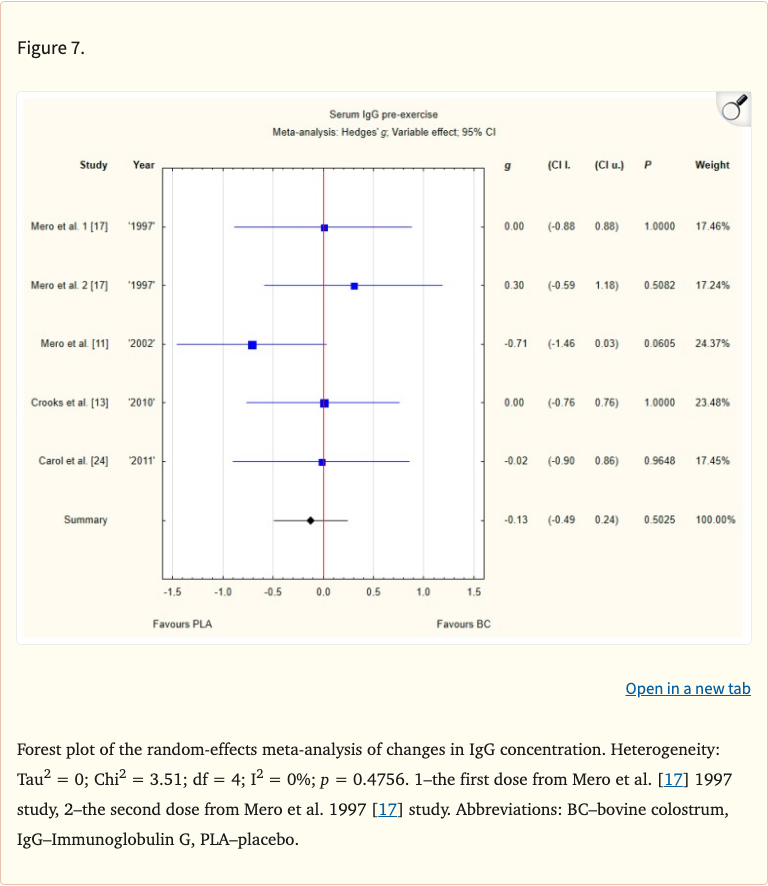 Figure 5
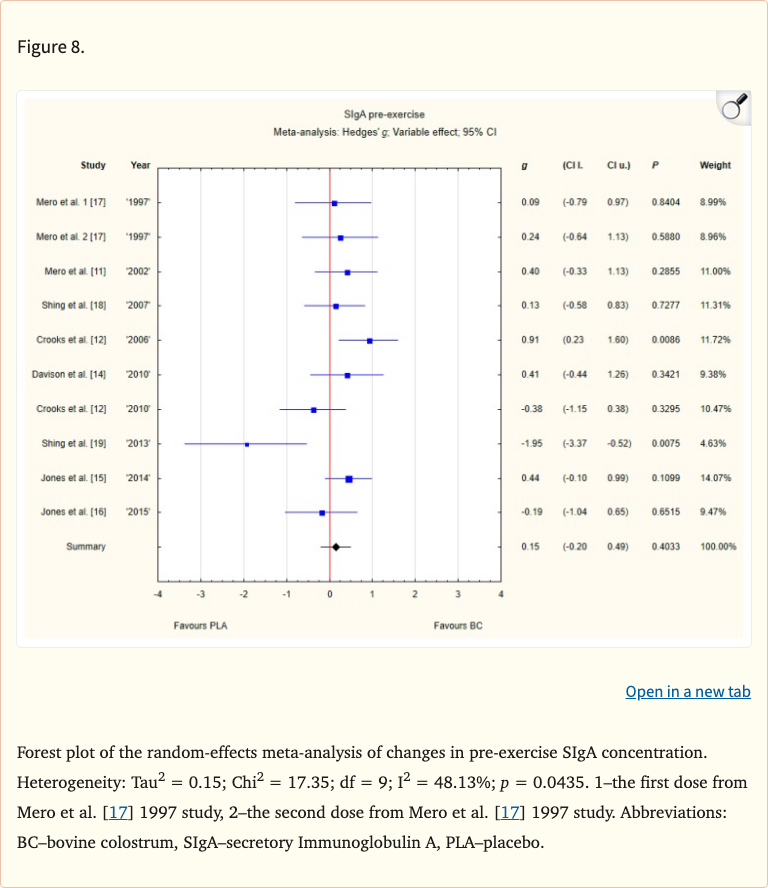 Figure 6
Limitations
High heterogeneity across studies for several outcomes. Small sample sizes in most included trials. Variability in colostrum products (different brands, immunoglobulin concentrations), dosing protocols, and supplementation durations. Most participants were male athletes, limiting generalizability to broader populations. Risk of bias was moderate to high in several included studies. URTI outcomes were often self-reported rather than clinically diagnosed.