
Key Takeaway
Autogenic training produces a small but significant reduction in chronic pain intensity compared to control conditions across randomized controlled trials.
Summary
This systematic review and meta-analysis evaluated the effectiveness of autogenic training (AT) for reducing chronic pain. The authors searched multiple databases and identified randomized controlled trials comparing AT to passive or active control conditions in adults with chronic pain lasting at least three months.
The pooled analysis found a small but statistically significant effect of autogenic training on pain reduction (Hedges g = -0.58) compared to control groups. The effect was more pronounced when AT was compared to passive controls (e.g., waitlist) than active controls (e.g., other relaxation techniques). Subgroup analyses suggested benefits across various chronic pain conditions, though heterogeneity between studies was notable.
The authors noted that while the evidence supports AT as a useful adjunct for chronic pain management, the overall quality of included trials was moderate, with several studies showing unclear or high risk of bias. They called for larger, more rigorous RCTs with standardized AT protocols and longer follow-up periods to strengthen the evidence base.
Figures
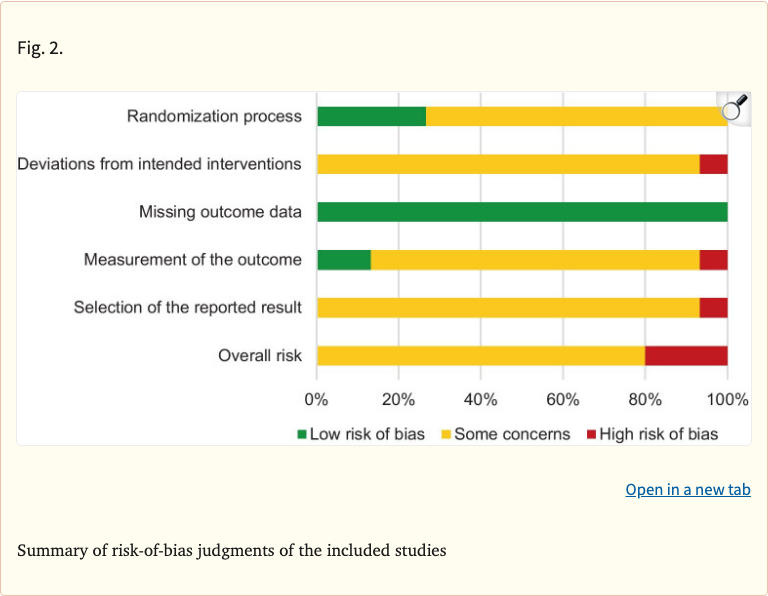 Figure 1
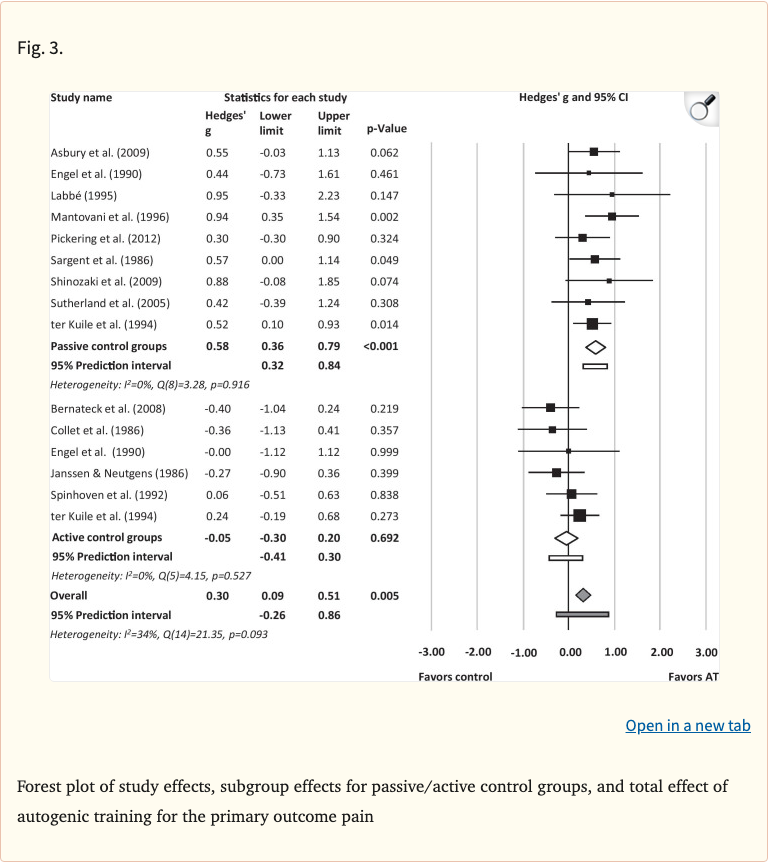 Figure 2