
Key Takeaway
L-methylfolate supplementation shows promise as an adjunctive treatment for depression, particularly in patients with inadequate response to antidepressants.
Summary
This meta-analysis evaluated the efficacy of L-methylfolate (active folate) as an adjunct treatment for major depressive disorder.
Study design:
- Meta-analysis of randomized controlled trials
- Patients with major depressive disorder
- L-methylfolate added to antidepressant therapy
- Various doses and durations
Key findings:
- Significant improvement in depression scores
- Enhanced response to antidepressants
- Well-tolerated with minimal side effects
- Effective at 15mg daily dose
Results summary:
| Outcome | Finding |
|---|---|
| Depression response | Significantly improved |
| Effect size | Moderate |
| Side effects | Minimal, similar to placebo |
| Optimal dose | 15mg L-methylfolate |
Who responded best:
- Partial responders to antidepressants
- Those with MTHFR variants (when tested)
- Patients with elevated homocysteine
- Treatment-resistant depression
Mechanism:
- Methylfolate supports neurotransmitter synthesis
- Provides methyl groups for SAMe production
- SAMe involved in serotonin, dopamine metabolism
- Bypasses MTHFR enzyme limitations
Clinical implications:
- L-methylfolate is a reasonable adjunct for depression
- Consider in partial antidepressant responders
- MTHFR testing may help identify candidates
- Generally safe to add to existing regimens
Clinical significance:
Demonstrates that methylation support has measurable effects on brain function and mood, supporting its use beyond cardiovascular health.
Figures
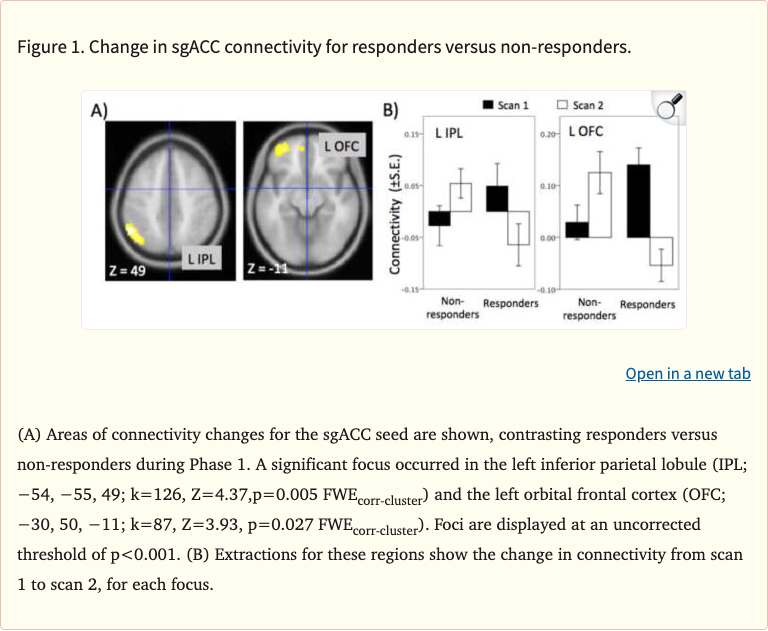 Figure 1
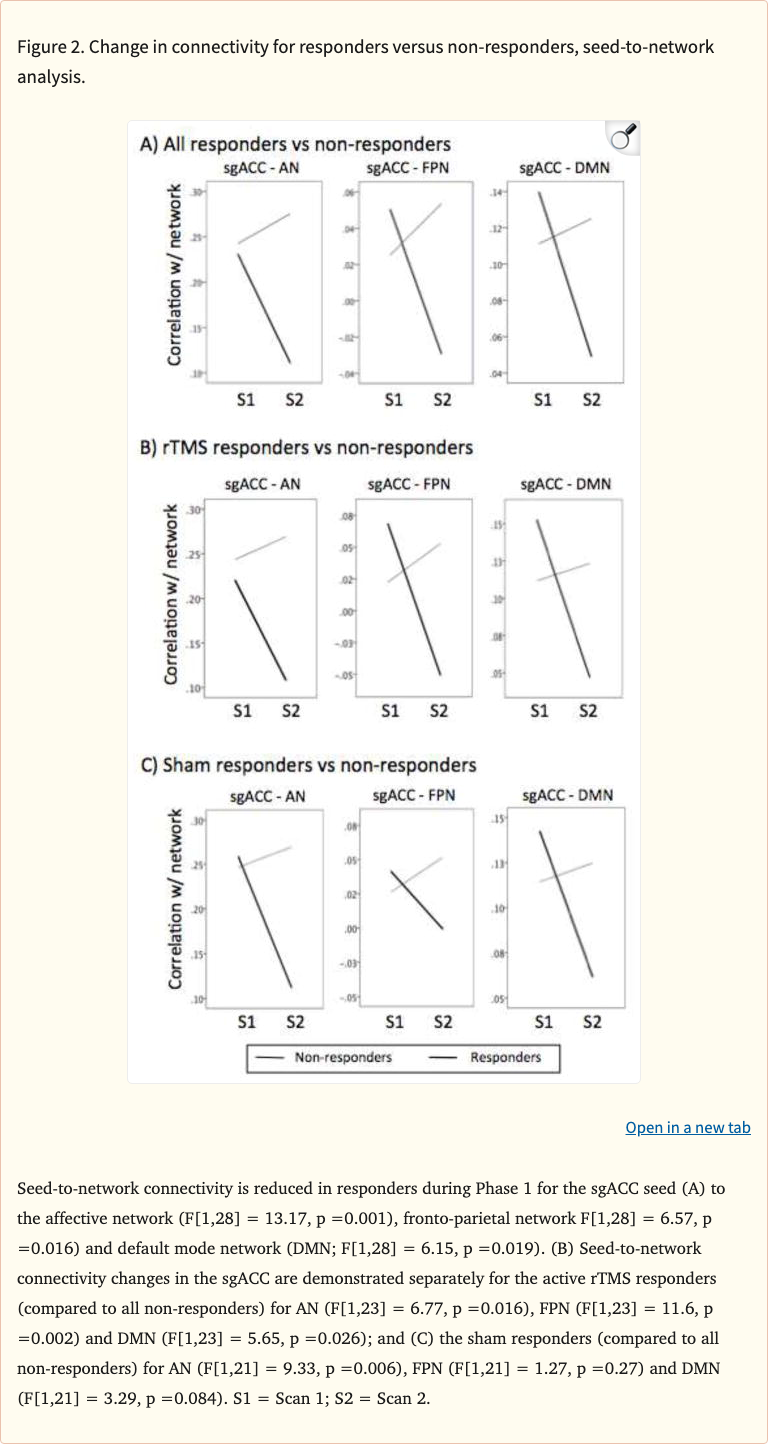 Figure 2
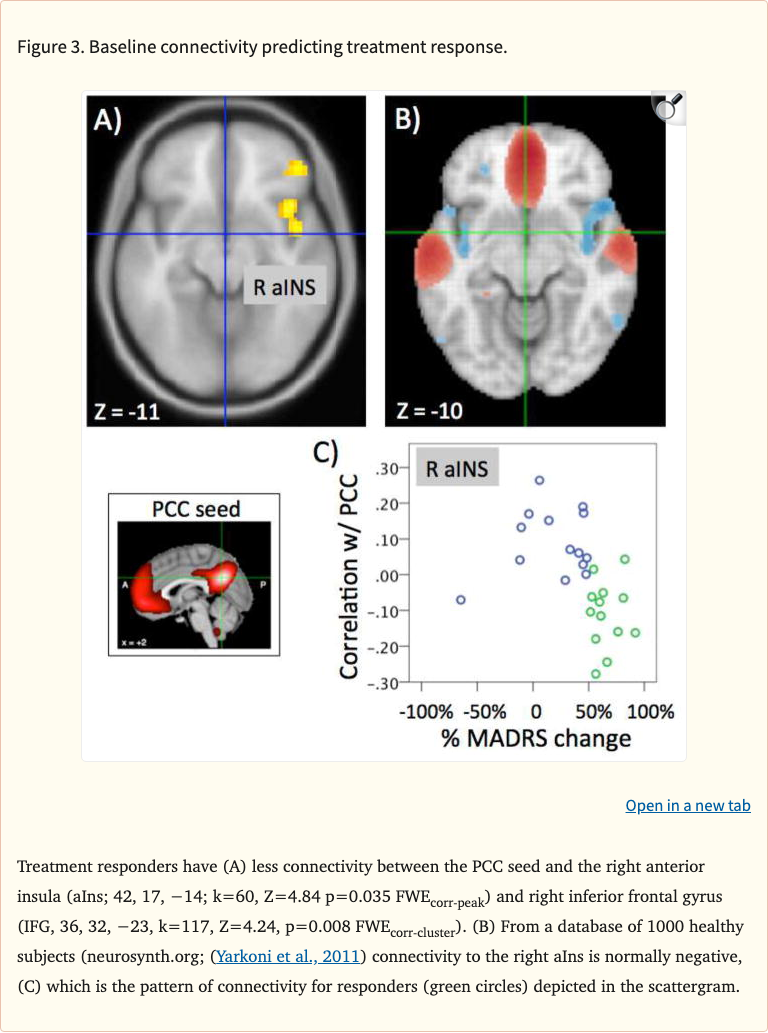 Figure 3