
Key Takeaway
Systematic review of 13 studies found that massage gun percussion therapy acutely improves muscle strength, explosive strength, and flexibility, with multiple sessions reducing musculoskeletal pain
Summary
This systematic literature review examined the effects of percussive therapy delivered by handheld massage guns on musculoskeletal performance and pain experiences. The authors searched six electronic databases (PubMed, SportDISCUS, CINAHL, Cochrane Library, PsycInfo, and OpenGrey) from January 2006 onward, ultimately including 13 studies with 255 adult participants.
Quality assessment using the PEDro scale yielded a mean score of 5.92 out of 10 across included studies. The review found that a single application of massage gun percussion therapy produced acute improvements in muscle strength, explosive muscle strength (measured via tensiomyography and jump tests), and flexibility/range of motion across multiple body regions. For strength specifically, upper body showed improvements while lower body results were mixed. Multiple treatment sessions, rather than single applications, were needed to reduce experiences of musculoskeletal pain, particularly for back and shoulder regions.
The authors noted significant heterogeneity across studies in outcome measures and device specifications, and highlighted that included populations were predominantly healthy, young, and active with underrepresentation of females (only 30.2% of cohorts). Only one study examined effects beyond the immediate post-treatment window (24-48 hours). The review concluded that percussion therapy devices can serve as a portable, cost-effective alternative to other forms of vibration therapy, but called for standardized treatment protocols and investigation of chronic effects.
Methods
- Systematic review following PRISMA guidelines
- Searched 6 databases: PubMed, SportDISCUS, CINAHL, Cochrane Library, PsycInfo, OpenGrey
- Inclusion: adults receiving direct massage gun application to muscle or tendon
- Comparators: alternative treatments, placebo, or no intervention
- Quality assessed using PEDro scale and Critical Appraisal Skills Programme (CASP)
- 13 studies met inclusion criteria (255 total participants)
- Narrative synthesis due to heterogeneity of outcome measures
Key Results
- Single percussion therapy session acutely improved flexibility/ROM (10 studies)
- Single session improved muscle strength and explosive strength (4 studies)
- Upper body strength improved; lower body strength results were mixed
- Multiple sessions reduced musculoskeletal pain (back and shoulder regions)
- Mean PEDro quality score: 5.92 +/- 2.1 (range 2-9)
- Effects were comparable to or better than other vibration modalities
Figures
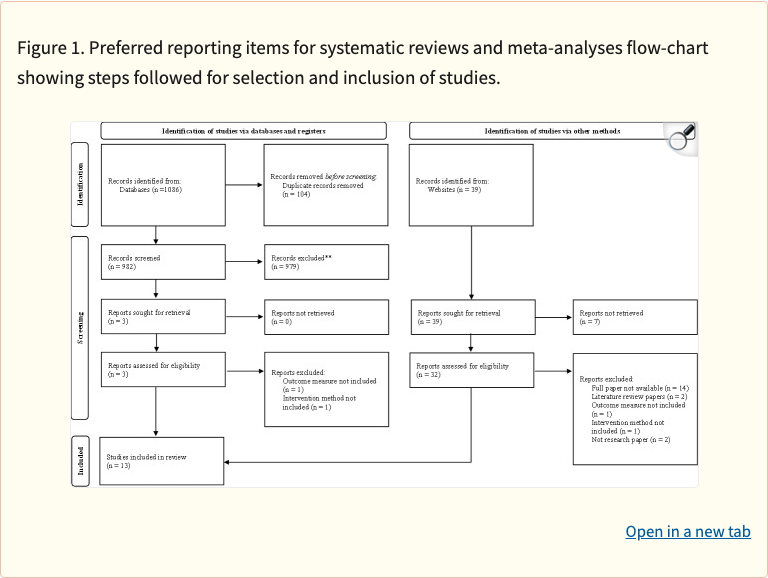 Figure 1
Limitations
- High heterogeneity in outcome measures and device specifications across studies
- Populations predominantly healthy, young, and active
- Underrepresentation of female participants (30.2% of cohorts)
- Only one study examined effects beyond immediate post-treatment (24-48h)
- Most studies assessed only acute single-session effects
- No standardized treatment protocol across studies