
Key Takeaway
Percussive massage combined with core stability exercises reduced fascia thickness and improved fascia quality in firefighters with chronic low back pain, outperforming exercise alone.
Summary
This randomized controlled trial investigated whether adding percussive massage therapy to a core stability exercise program could improve fascial health and clinical outcomes in firefighters with chronic non-specific low back pain. Sixty-six firefighters were randomized to either percussive massage plus core exercises or core exercises alone, with treatment delivered over 4 weeks.
The researchers used ultrasound imaging to measure thoracolumbar fascia thickness and echo intensity, a marker of fascial tissue quality where higher echo intensity indicates more fibrosis or disorganization. Both groups were assessed at baseline, post-intervention, and at 4-week follow-up.
The combined percussion massage group showed significantly greater reductions in fascia thickness and echo intensity compared to the exercise-only group, along with greater improvements in pain (VAS) and disability (Oswestry Disability Index). These structural fascial changes correlated with clinical improvements, suggesting that percussive massage may help remodel pathologically thickened fascia. Effects were maintained at the 4-week follow-up, indicating durable benefits beyond the treatment period.
Figures
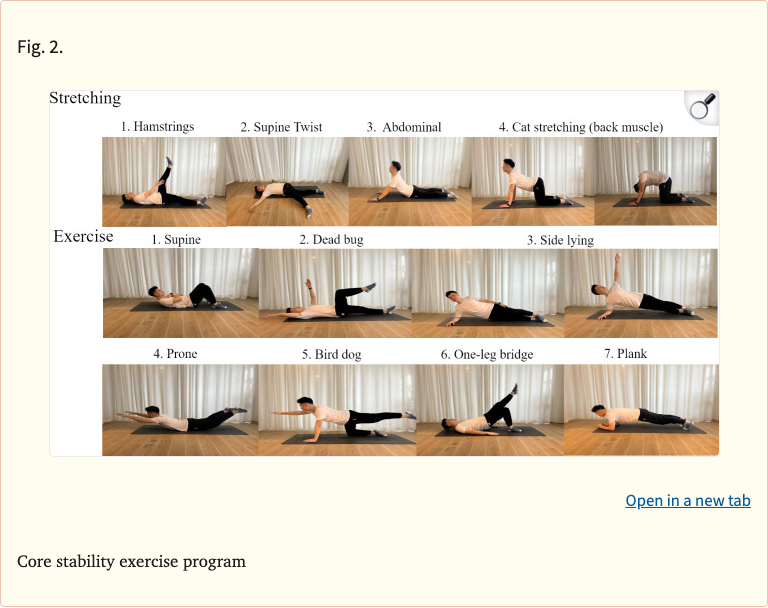 Figure 1
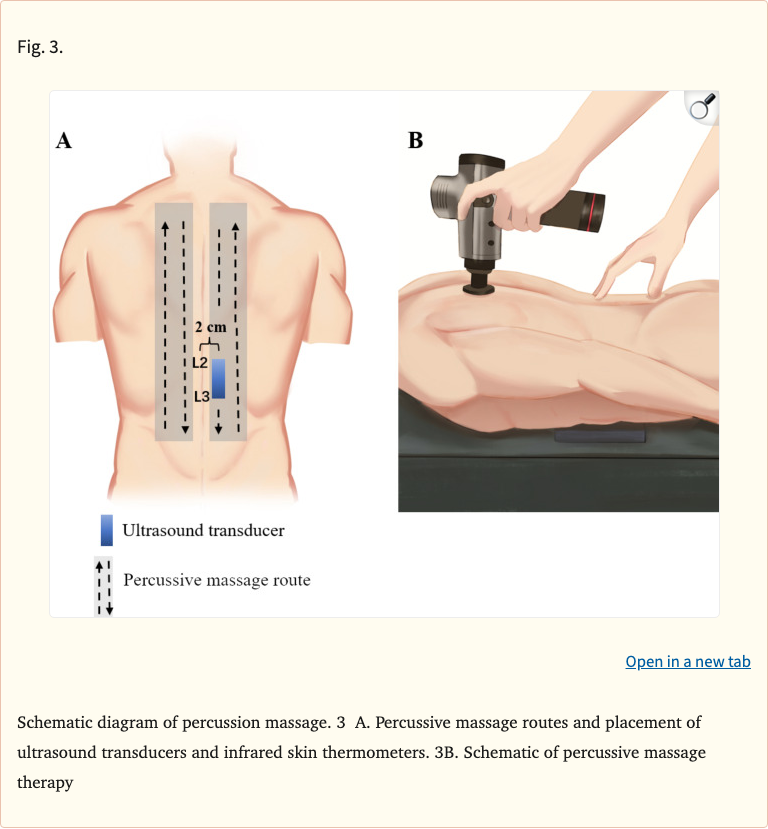 Figure 2
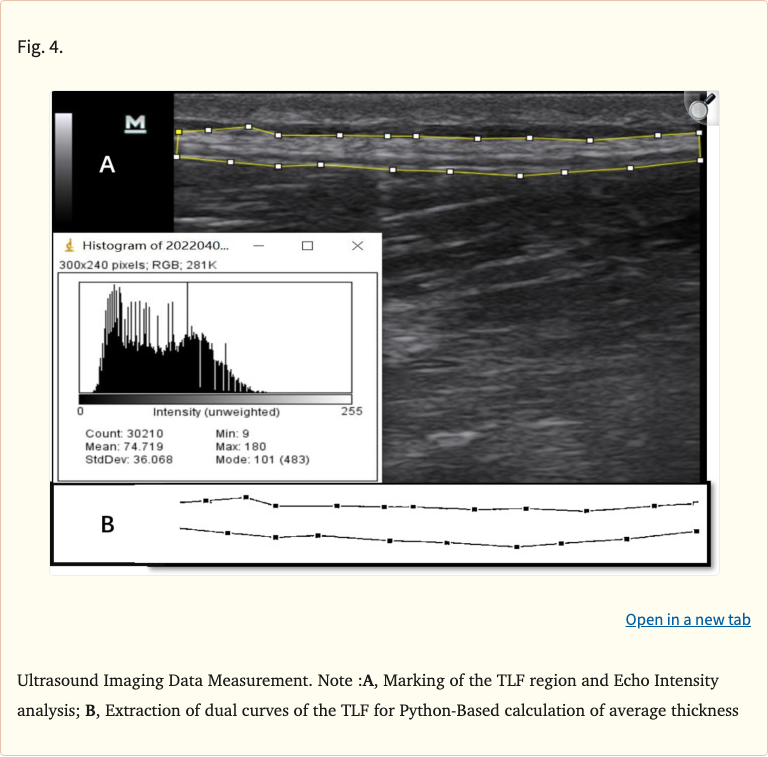 Figure 3
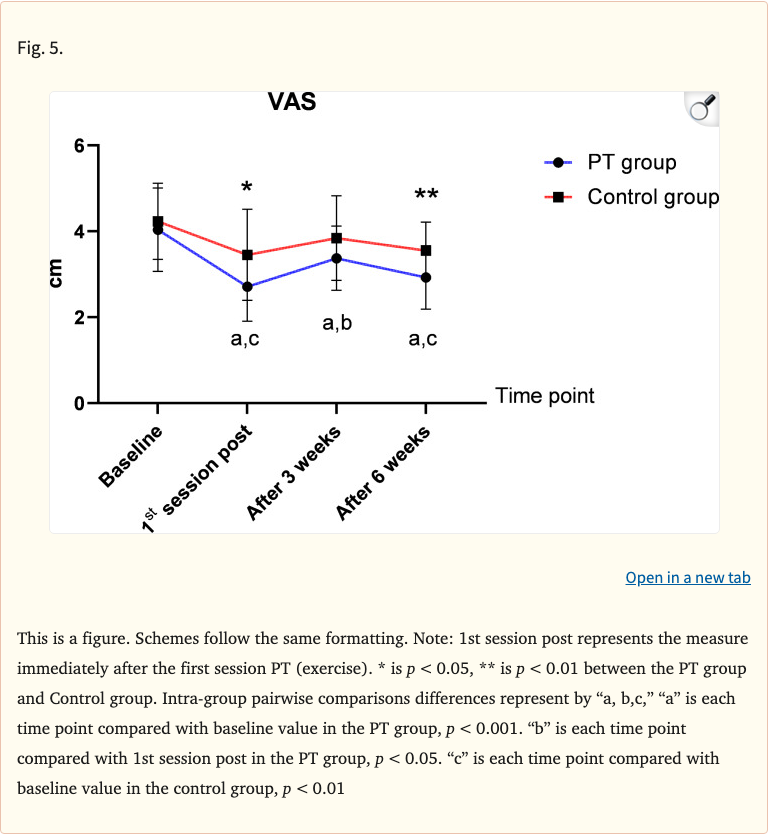 Figure 4