Key Takeaway
Exercise-associated hyponatremia (low blood sodium) is a serious condition caused by overhydration with plain water, highlighting the importance of sodium intake during prolonged exercise.
Summary
This review examined the causes, prevention, and treatment of exercise-associated hyponatremia (EAH).
Causes:
- Excessive intake of hypotonic fluids (plain water)
- Prolonged exercise (marathon, triathlon, ultraendurance)
- Inadequate sodium replacement
- ADH hormone dysregulation
Risk factors:
- Slower athletes (more time to overdrink)
- Female sex
- Low body weight
- NSAID use
- Excessive fluid availability
Prevention:
- Drink to thirst, not on schedule
- Include sodium in fluids during exercise >1 hour
- Know your sweat rate
- Avoid overdrinking
Clinical significance:
EAH can be fatal. This paper helped shift recommendations away from "drink as much as possible" toward more nuanced hydration strategies including adequate sodium.
Figures
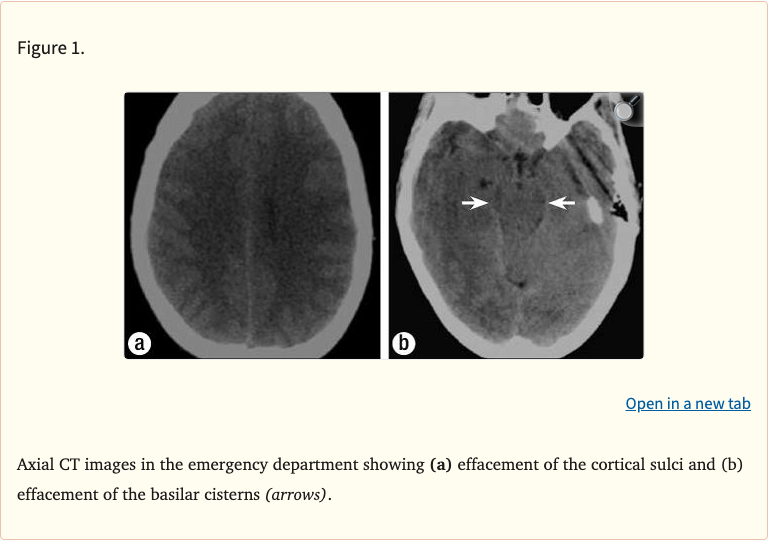 Figure 1
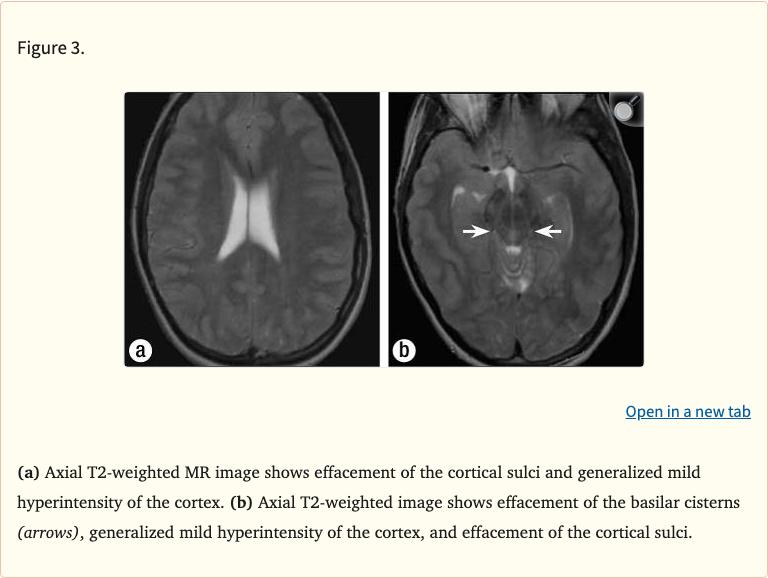 Figure 2
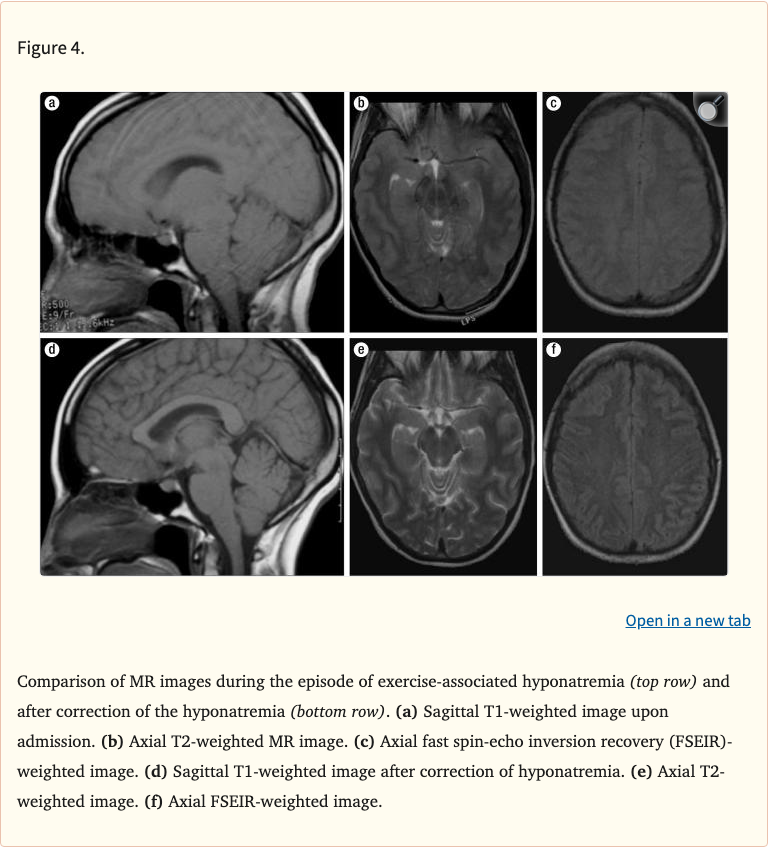 Figure 3
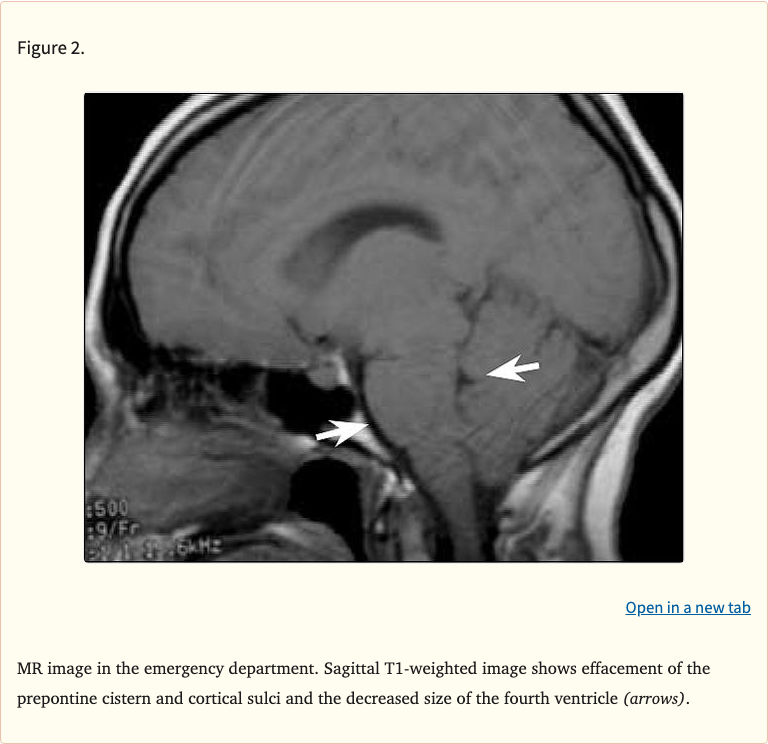 Figure 4