
Key Takeaway
Far-infrared radiation promotes wound healing, reduces pain, and improves circulation through multiple biological mechanisms
Summary
Comprehensive review of far-infrared radiation biological effects and therapeutic applications. FIR (3-100 micron wavelength) can penetrate human tissue and produce beneficial effects including increased microcirculation, reduced inflammation, and pain relief.
Methods
Literature review examining cellular, animal, and human studies on far-infrared therapy. Analyzed mechanisms of action and clinical applications across multiple conditions.
Key Results
Key biological effects identified:
- Increased microcirculation and vasodilation
- Reduced oxidative stress
- Accelerated wound healing
- Pain reduction in various conditions
- Improved endothelial function
- Cell proliferation promotion at appropriate doses
Figures
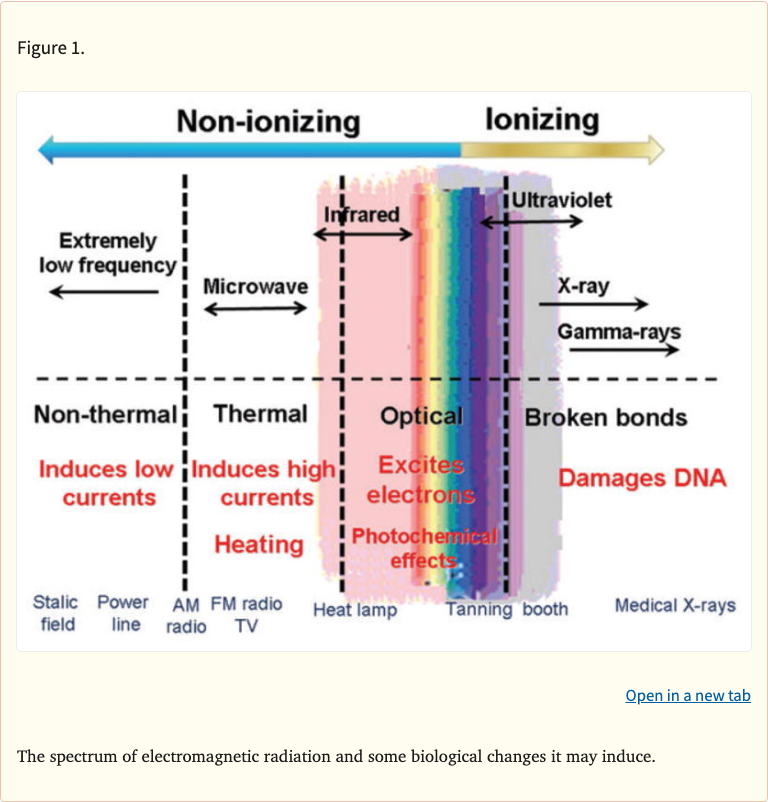 Figure 1
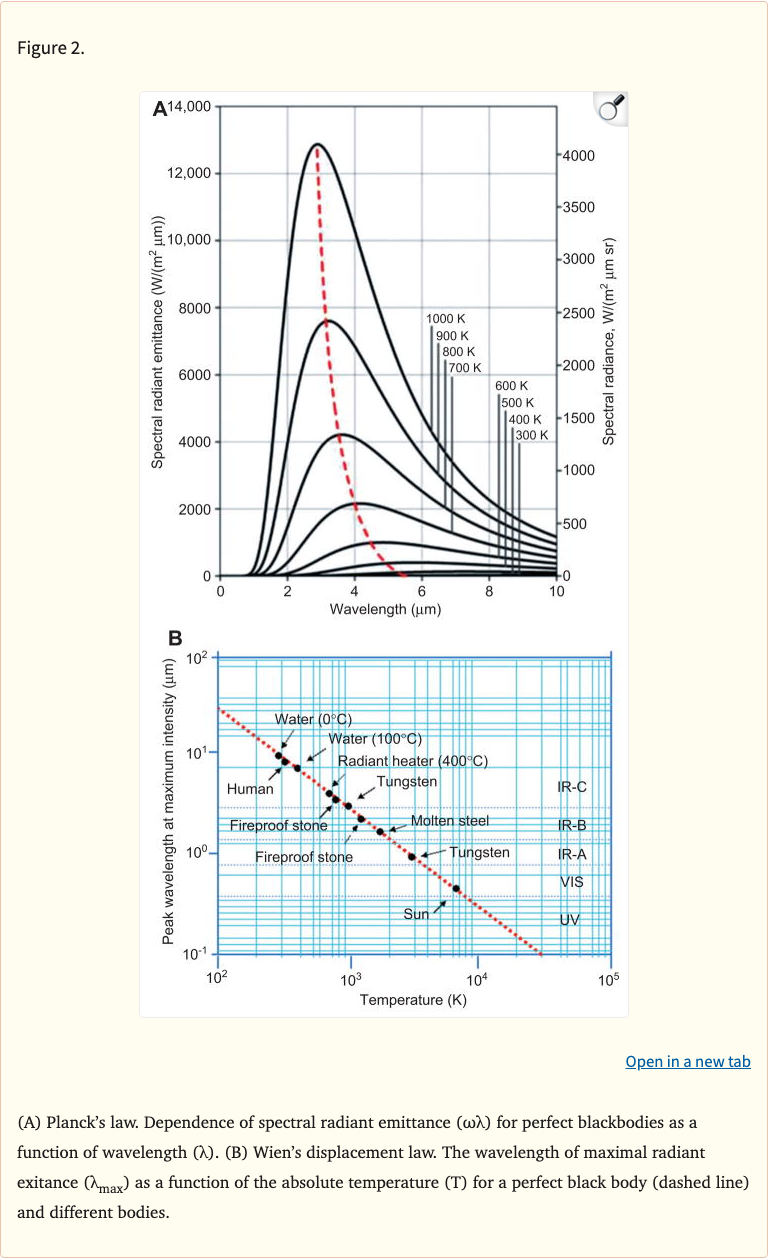 Figure 2
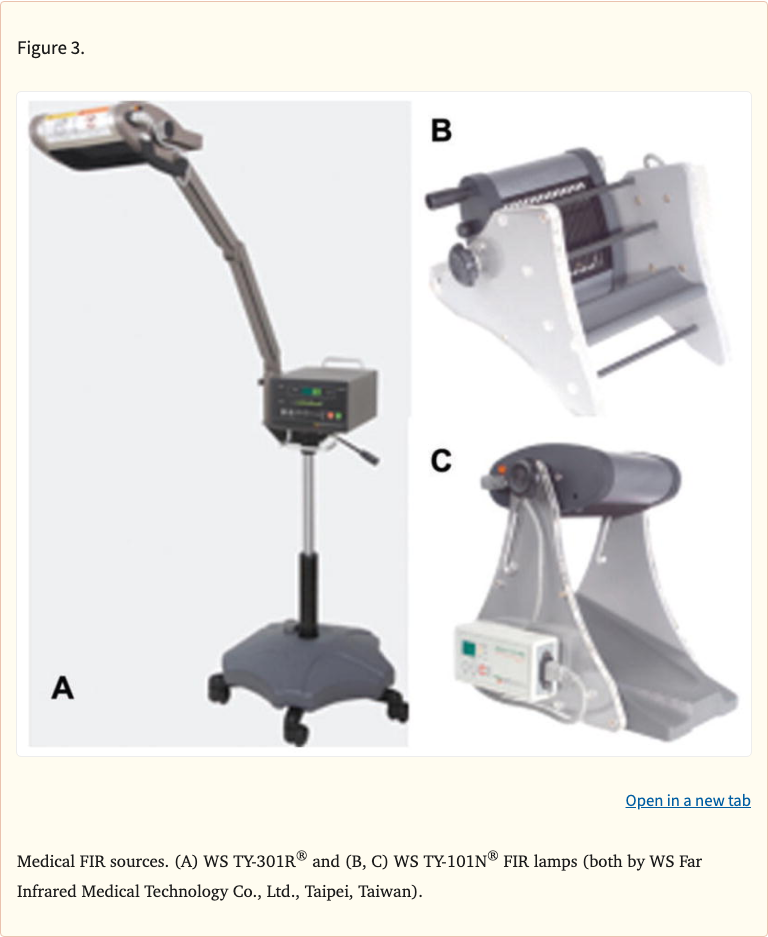 Figure 3
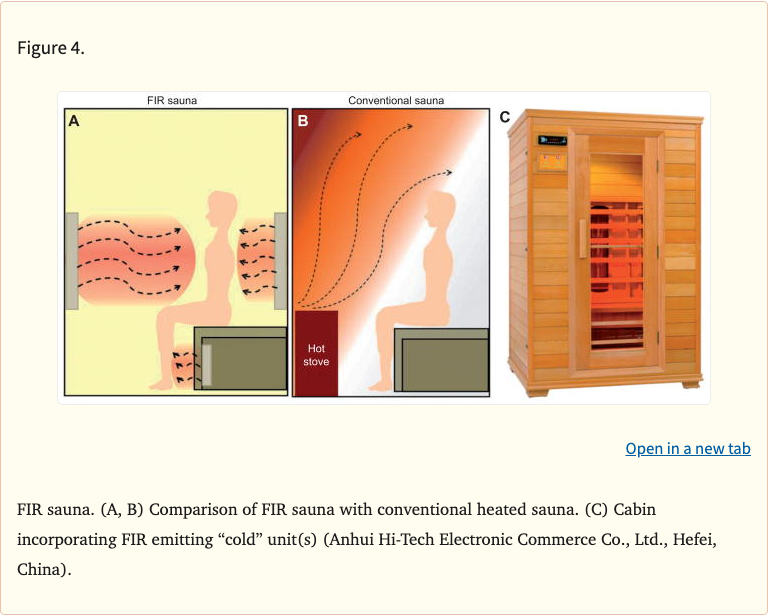 Figure 4
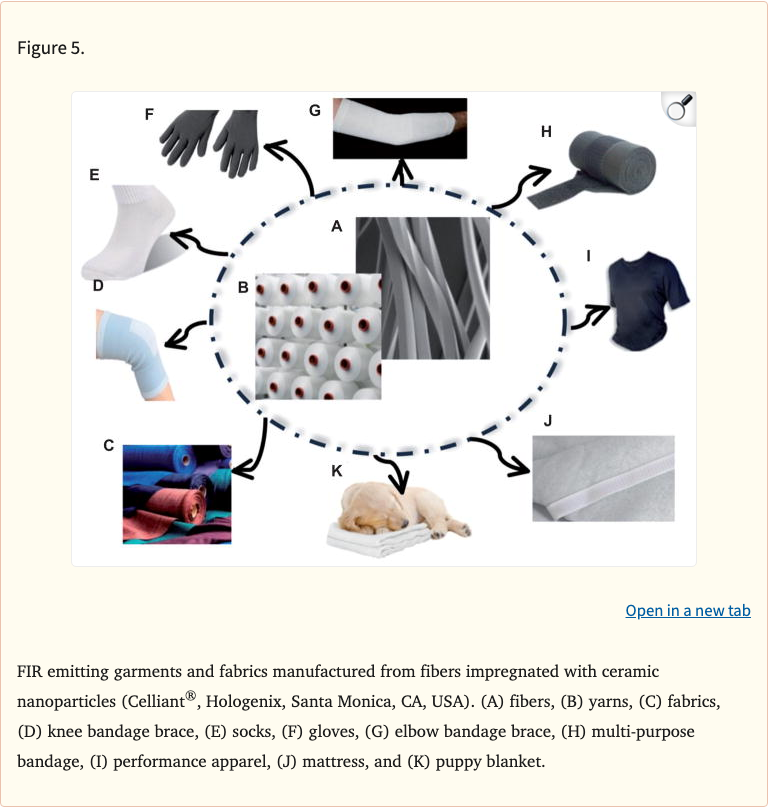 Figure 5
Limitations
- Review article synthesizing heterogeneous studies
- Mechanisms not fully elucidated
- Optimal dosing parameters vary by condition
- Some included studies were low quality