
Summary
Fitness educator Andy Chan discusses his movement-based training philosophy with host Susan Rosen, focusing on practical approaches for people over 50. Chan, who teaches courses for NASM, TRX, Trigger Point, and Power Plate, advocates training fundamental movement patterns (squats, lunges, push, pull, rotation) instead of isolated muscle groups, arguing this approach translates directly to everyday life activities. The conversation covers the interconnection between training, diet, and emotional management, with Chan explaining how chronic fight-or-flight activation leads to muscle stiffness and poor digestion. He recommends incorporating balance training into daily routines by practicing single-leg stands while waiting for elevators or during idle moments, emphasizing fall prevention as a critical health priority for those over 50. Chan also highlights the importance of proper warm-ups and deep breathing exercises for managing stress and improving movement quality.
Key Points
- Movement-based training (squats, lunges, push, pull, rotation) transfers to daily life better than isolated muscle exercises
- Practice single-leg balance during everyday moments like waiting for elevators or standing in line
- Fall prevention is a critical priority for people over 50 and drives the need for balance training
- Chronic stress and fight-or-flight activation causes muscle stiffness that impairs movement quality
- Deep breathing exercises throughout the day help downregulate the nervous system and restore tissue pliability
- Proper warm-ups are essential because modern sedentary lifestyles leave muscles rigid and stiff
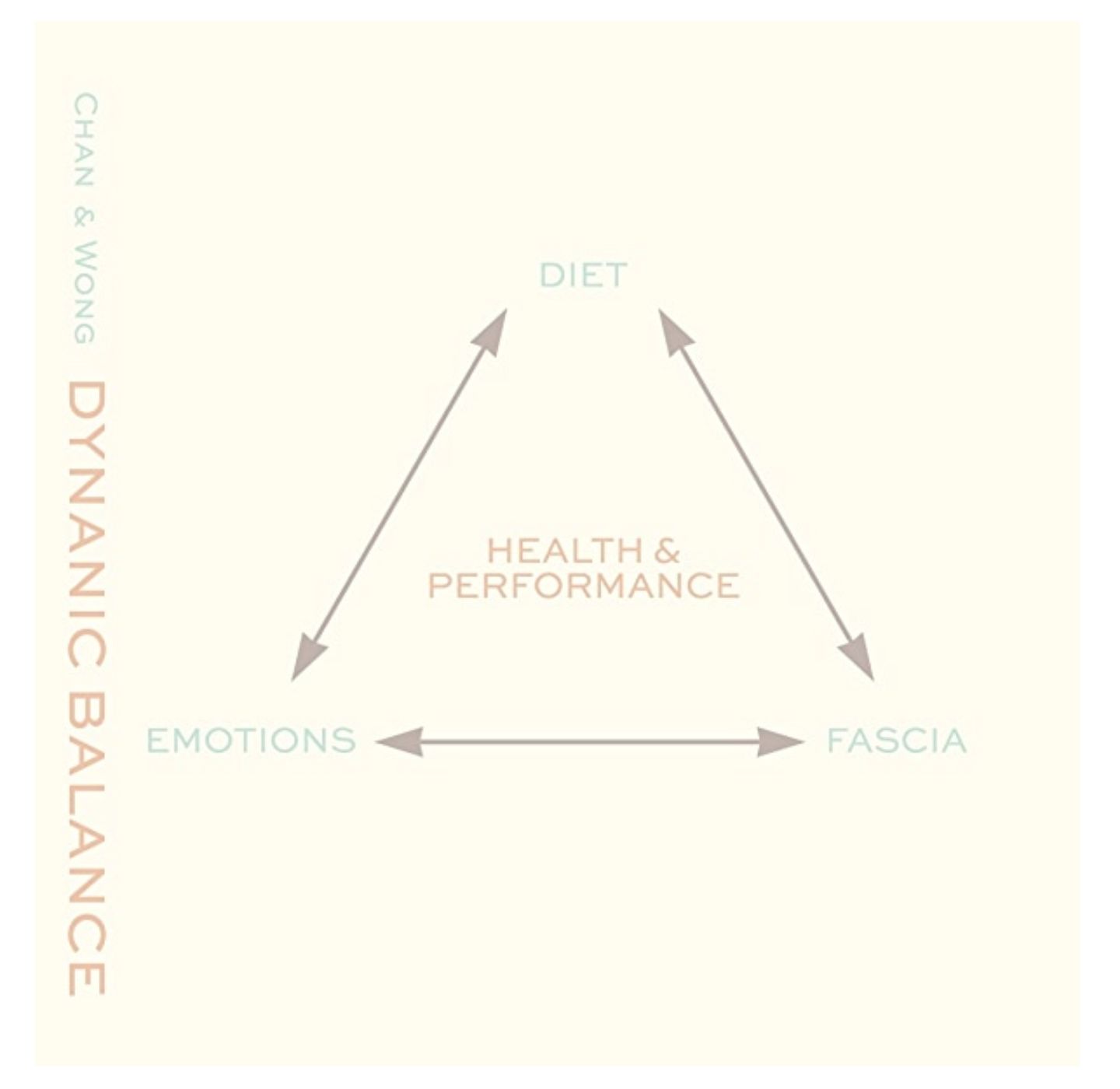
- Training, diet, and emotional management are interconnected and should be addressed together
- Trainers should demonstrate exercises perfectly before prescribing them to clients
Key Moments
Movement-based training translates to real life
Andy Chan explains why training movement patterns like squats, lunges, push, pull, and rotation is more effective than isolated muscle training because everyday activities like picking up groceries or catching yourself from a trip require coordinated whole-body movement.
"So let's say if you're working on a curb and you're about to fall and you're saving yourself from the trip, you know, you just kind of,"
Train balance during daily idle moments
Chan recommends practicing single-leg balance during everyday moments like waiting for elevators or standing in line, emphasizing that fall prevention through balance training is critical for people over 50.
"whenever they have a minute or two, let's say if they're just waiting for a table, you just stand on one leg."
Chronic stress causes muscle stiffness that impairs balance
Chan explains how constant fight-or-flight activation from modern stressors makes muscles rigid and stiff, impairing movement quality regardless of diet or exercise, and why rest-and-digest states are essential for restoring tissue pliability.
"if you're just stressed all the time, then none of that makes sense. So that's why we have to look at the interconnectedness of the three because it turns out we need rest and digest every single day throughout the day so that we can just downregulate, we can digest and we can become a"


