


Balance Training
Episodes covering balance training — protocols, research, and expert discussions.
Vestibular and proprioceptive training for fall prevention, athleticism, and brain health
Balance training is one of the most neglected aspects of fitness with outsized returns. Falls are the leading cause of injury death in adults over 65, and balance ability predicts all-cause mortality better than most biomarkers. Yet most people never deliberately train it.
Beyond fall prevention, balance training improves athletic performance, reduces injury risk in sports, and challenges the brain in ways that may support cognitive health. It's essentially "strength training for your nervous system."
If you can't stand on one foot for 30 seconds with eyes closed, you have work to do. 5-10 minutes daily on a balance board or slack line delivers significant benefits with minimal time investment.
Science & Mechanisms
Why Balance Matters:
Balance integrates three sensory systems: 1. Vestibular (inner ear) - Detects head position and movement 2. Proprioception (body awareness) - Sensors in joints, muscles, tendons 3. Visual - Spatial orientation from sight
Training balance improves all three systems and their integration in the brain.
Mortality Connection:
A 2022 study in the British Journal of Sports Medicine found that inability to stand on one leg for 10 seconds was associated with an 84% higher risk of all-cause mortality over 7 years. Balance is a biomarker of overall health.
Neuroplasticity:
Balance training drives structural changes in the brain: - Increased gray matter in motor and sensory regions - Enhanced cerebellar function - Improved reaction time and cognitive processing
Key Research:
- Sherrington et al. (2019): Meta-analysis showing balance training reduces falls by 23%
- Lesinski et al. (2015): Dose-response analysis showing optimal protocols
Mechanisms:
- Proprioceptive enhancement - Better joint position sense
- Vestibular calibration - Improved spatial orientation
- Motor control - Faster corrective reflexes
- Core activation - Reflexive stabilization
- Cognitive challenge - Dual-task processing
Effect Sizes:
- Fall reduction: 23-40% in older adults
- Ankle sprain prevention: 35-50% in athletes
- Reaction time improvement: 10-15%
- Single-leg stance time: 50-100% improvement in 6-8 weeks
Episodes
Essentials episode on how the auditory and vestibular systems enhance focus and cognitive function, with practical applications.
Dr. Emily Splichal returns to discuss her journey from conventional surgical training to pioneering sensory-based functional podiatry, and to introduce her new book Sensory Sapi...
Neuroscientist and professor Shane O'Mara, author of "In Praise of Walking," joins Dhru Purohit to explain why walking is fundamental to brain health and longevity. O'Mara argue...
In this Huberman Lab Essentials episode, Andrew Huberman explains how making mistakes and experiencing frustration are essential drivers of neuroplasticity and learning in adult...
Dr. Andy Galpin delivers a comprehensive solo episode on the science and practice of strength training for children and adolescents. He dismantles the persistent myth that resis...
Pilates instructor and educator Linda Lippin joins the TrulyFit Podcast to discuss osteoporosis, osteopenia, and balance training for the senior population. She outlines the fiv...

Exercise physiologist Tom Holland delivers a comprehensive overview of balance training, arguing it should be the sixth component of fitness alongside muscular strength, muscula...

Strength coach Joel Youngkins challenges the common belief that training on unstable surfaces improves athletic balance. Drawing from his experience coaching at Youngstown State...
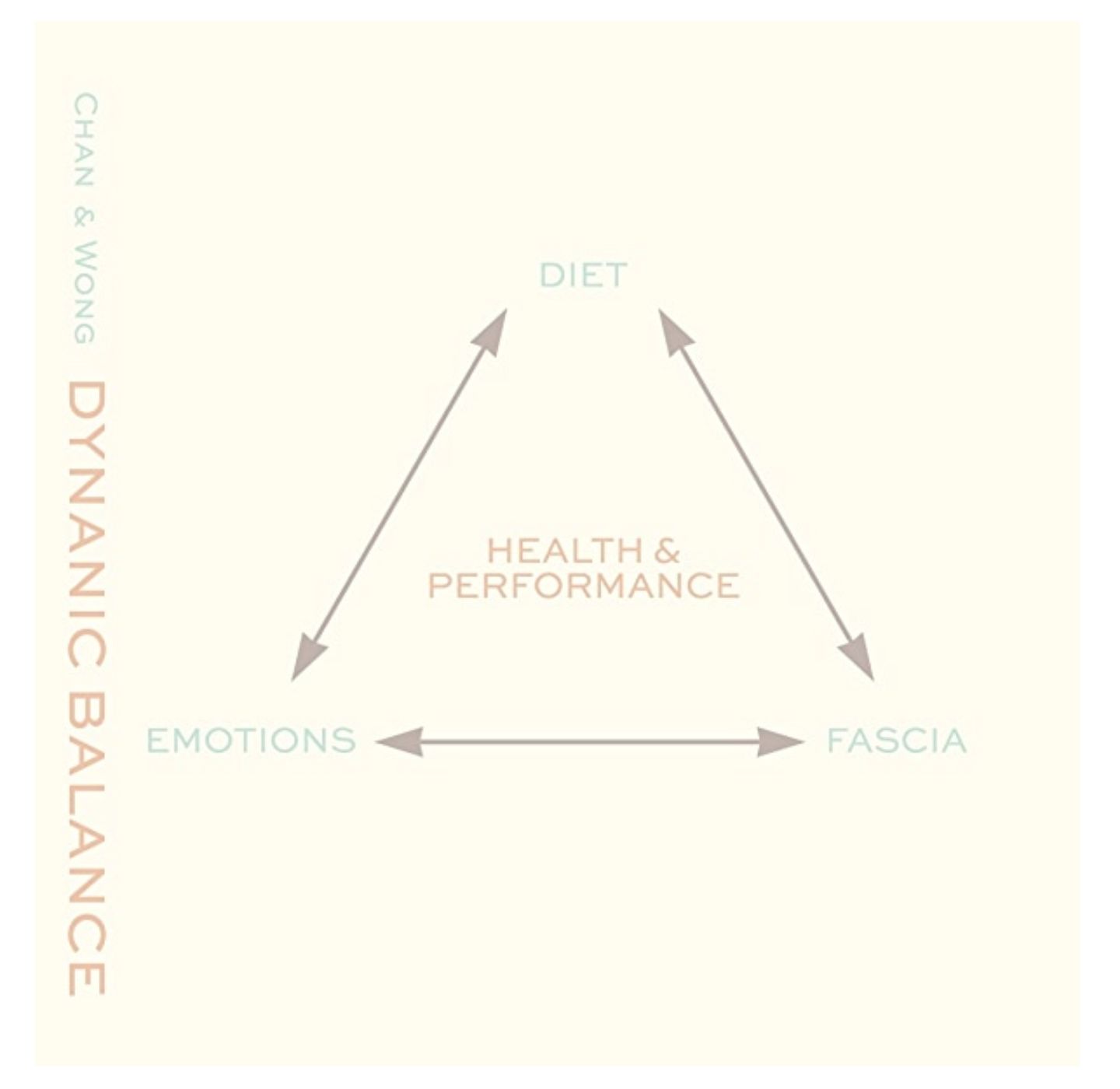
Fitness educator Andy Chan discusses his movement-based training philosophy with host Susan Rosen, focusing on practical approaches for people over 50. Chan, who teaches courses...

Legendary strength coach Joe DeFranco covers two topics in this solo episode. First, he critiques the current obsession with stretch-mediated hypertrophy, arguing that while len...