


Mobility Training
Episodes covering mobility training — protocols, research, and expert discussions.
Daily movement practice to restore range of motion, resolve pain, and optimize physical performance
Mobility is the foundation that makes all other physical training possible. Most people have significant restrictions they've normalized, tight hips from sitting, locked-up thoracic spines, limited ankle dorsiflexion. These restrictions don't just limit performance; they force compensatory movement patterns that lead to pain and injury.
Kelly Starrett's work has shown that most "mobility problems" are actually positioning and motor control issues that respond to systematic work. The key insight: you can't stretch your way out of a stability problem, and you can't strengthen your way out of a mobility problem.
10-15 minutes daily of targeted mobility work pays dividends across every physical domain. If you can't sit in a deep squat for 10 minutes, you have work to do.
Science & Mechanisms
The Mobility Framework:
Starrett defines mobility as the ability to move into a position, not just flexibility (passive range), but active control through full range of motion.
Three components:
- Sliding surfaces - Fascia and muscles must glide freely
- Joint capsule - Full range at the joint itself
- Motor control - Ability to access and control positions
Why Sitting Destroys You:
- Hip flexors adaptively shorten (10+ hours/day in flexion)
- Glutes neurologically "turn off" (gluteal amnesia)
- Thoracic spine locks into kyphosis
- Shoulders internally rotate
- Hip capsule loses external rotation
Tissue Adaptation:
Tissues remodel based on loading: - Collagen aligns along lines of stress - Fascia becomes less hydrated without movement - Joint capsules tighten in unused positions - Neural "maps" of movement fade without practice
Research Support:
- Stretching alone shows modest effects on flexibility (5-10% gains)
- Combining soft tissue work + stretching + motor control shows larger effects
- Daily short sessions outperform weekly longer sessions
- "Motion is lotion" - movement maintains tissue hydration
Pain Connection:
Most chronic musculoskeletal pain stems from: - Movement dysfunction (wrong muscles doing work) - Positional faults (joints not centrated properly) - Upstream/downstream compensations
Episodes
Eric Cressey of Cressey Sports Performance provides a tactical deep dive on back pain management, movement diagnosis, and training principles for athletes and everyday movers. T...
Andrew Huberman hosts Dr. Kelly Starrett, a Doctor of Physical Therapy and world-renowned movement expert, for a comprehensive discussion on improving mobility, flexibility, and...
Dr. Perry Nickelston identifies the two foundational daily habits for managing back pain. He emphasizes that there is no cure for back pain, only management - you either manage ...
Dr. Andy Galpin hosts Jill Miller, a movement and body-work expert, for a deep dive into myofascial release, breathwork, and practical strategies for relieving chronic pain and ...
Dr. Emily Splichal returns to discuss her journey from conventional surgical training to pioneering sensory-based functional podiatry, and to introduce her new book Sensory Sapi...
Andrew Huberman speaks with Dr. Stuart McGill, distinguished professor emeritus of spine biomechanics at the University of Waterloo, about the most common sources of back pain a...
Dr. Perry Nickelston chats with Brian Bradley about the Egoscue Method and how it can help with musculoskeletal pain. Bradley, a leading practitioner of the Egoscue postural ali...
Andrew Huberman provides a comprehensive guide to building a strong, stable, pain-free back and reducing or eliminating existing back pain. He begins with the anatomy and physio...
Pavel Tsatsouline, world-renowned strength and conditioning coach and founder of StrongFirst, joins Andrew Huberman to discuss the most effective and efficient methods for build...

Dr. Robert Prather and co-host Lisa Prather discuss why chiropractic care extends well beyond spinal adjustments to include extremity work on wrists, elbows, shoulders, knees, f...

Christina Montalvo challenges the common understanding of foam rolling, arguing that it does not break up scar tissue, adhesions, or directly change mobility when used in isolat...

Dimity McDowell and co-host Adrian Martini bring on Colleen Riddick-Losh, a certified personal trainer and senior master trainer for Trigger Point therapy, to discuss the fundam...
Tim Ferriss answers listener questions covering a wide range of topics with notable health segments on longevity levers and strategies for managing low-back pain. The episode al...

Dr. Jeff Langmaid reviews a brand new study on the efficacy of combining physiotherapeutic scoliosis-specific exercises with manual therapy (including spinal adjustments) for ad...

Pilates instructor and educator Linda Lippin joins the TrulyFit Podcast to discuss osteoporosis, osteopenia, and balance training for the senior population. She outlines the fiv...
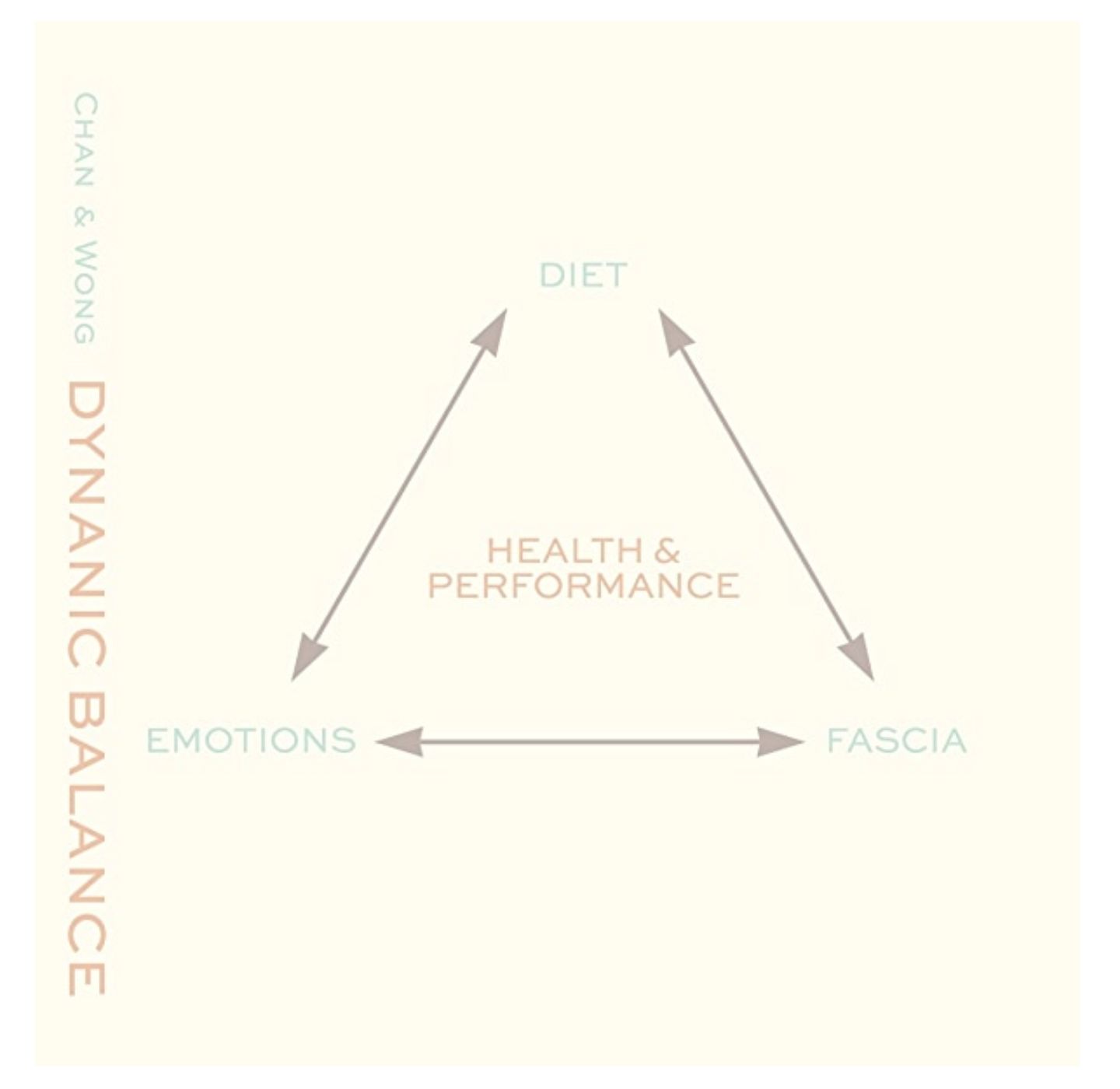
Fitness educator Andy Chan discusses his movement-based training philosophy with host Susan Rosen, focusing on practical approaches for people over 50. Chan, who teaches courses...

Heather Edwards interviews personal trainer, yoga teacher, self-myofascial release specialist, and sports nutritionist Heather Hausman from Missouri. Hausman shares her philosop...
Dr. Andy Galpin delivers a comprehensive solo episode on the science and practice of strength training for children and adolescents. He dismantles the persistent myth that resis...
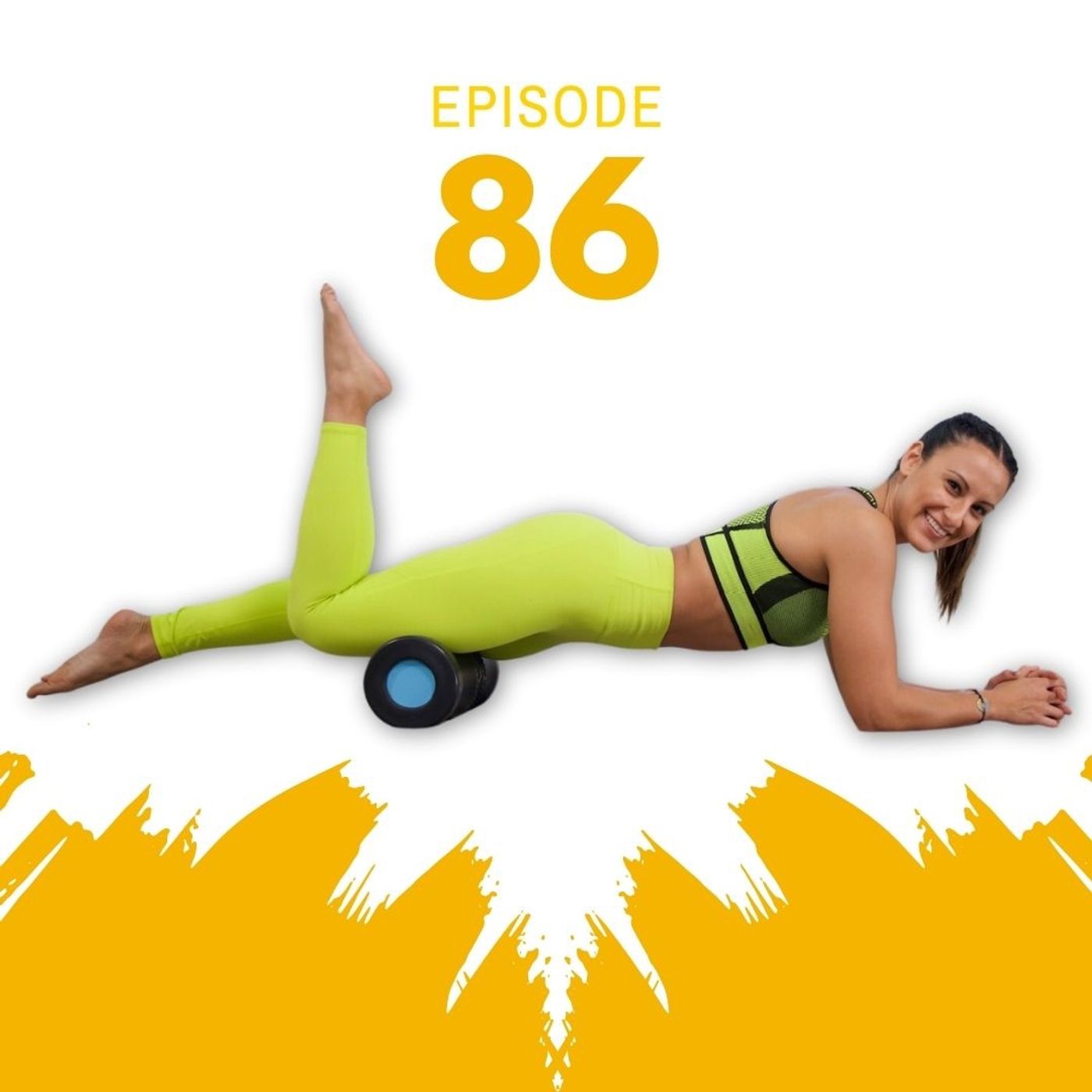
Dr. Jen and Dr. Dom, both doctors of physical therapy, provide an in-depth look at the actual mechanisms behind foam rolling. They challenge the traditional understanding of "my...
The Mind Pump hosts argue that if you only lift weights, you're leaving gains on the table -- other forms of exercise like moderate cardio, mobility work, and sauna can indirect...