Summary
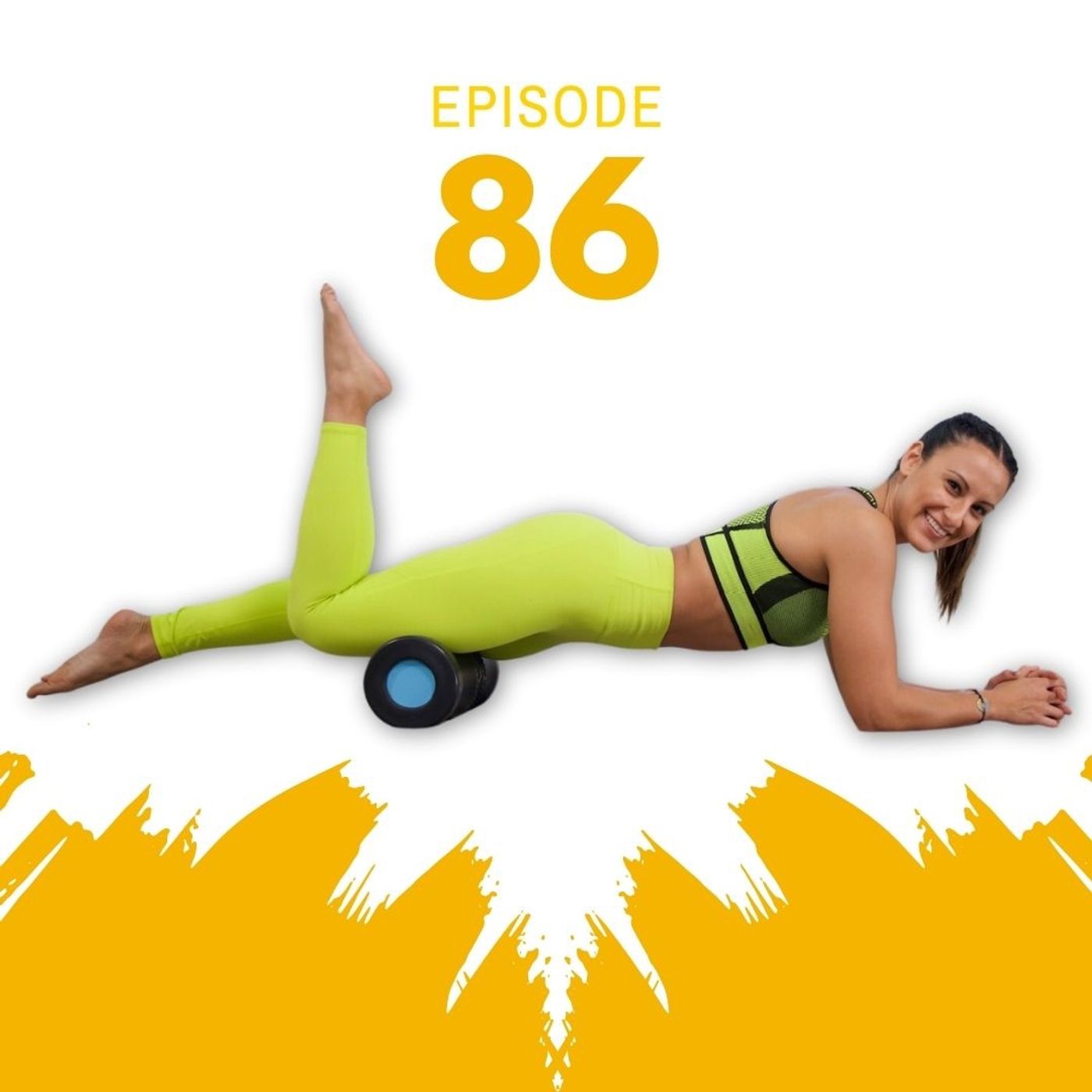
Christina Montalvo challenges the common understanding of foam rolling, arguing that it does not break up scar tissue, adhesions, or directly change mobility when used in isolation. Instead, she introduces the concept of a "therapeutic window"—foam rolling opens a temporary window that makes all subsequent movement, strength training, and mobility work more effective. The key insight is that foam rolling is where the work begins, not where it ends. The episode draws a clear distinction between passive modalities (foam rolling, massage, chiropractic adjustments, Theraguns) and active modalities (strength training, mobility work). Christina argues that passive modalities alone are insufficient for long-term pain management and injury prevention. The real value comes from using passive modalities to open up range of motion, then immediately training the body to own that new range through active strength and motor control work. She also addresses the physical therapy industry, noting that insurance-based clinics often rely on body weight exercises and TheraBands that fail to prepare patients for real-world demands. The episode emphasizes that the gap between passive and active range of motion is where injuries most commonly occur, making it critical to build strength and control through the full range rather than relying solely on external treatments.
Key Points
- Foam rolling does not break up scar tissue or adhesions—it opens a "therapeutic window" for subsequent work
- The therapeutic window makes all following mobility work, strength training, and physical therapy more effective
- Foam rolling alone without follow-up active movement provides minimal long-term benefit
- Passive modalities (foam rolling, massage, Theraguns) must be paired with active modalities (strength training, mobility work)
- The gap between passive range of motion and active range of motion is where injuries most commonly occur
- Mobility work is inherently strength training work and is distinct from stretching
- Stretching is not part of effective movement preparation—mobility work is
- Relying solely on external practitioners without building personal strength and motor control keeps people stuck
Key Moments
Foam rolling opens a therapeutic window
Foam rolling doesn't break up scar tissue or adhesions by itself. What it actually does is open a "therapeutic window" that makes all subsequent mobility work, strength training, and physical therapy more effective.
"That's it. It's open. It opens up what's called a therapeutic window. What that therapeutic window does will make anything that you do after that even more effective. So foam rolling is a great place to begin your mobility routine. It's a great place to begin your strength training routine. It's a great place to begin your physical therapy. It"
Foam rolling is where the work begins, not ends
The foam roller or lacrosse ball is the starting point of a training session, not the finish line. After opening the therapeutic window, you should follow with targeted mobility and strengthening work in the same area.
"That lacrosse ball, that foam roller is where your work begins. It's where your work begins because it's opening up a therapeutic window that's going to make all subsequent movements even more effective."
The gap between passive and active range of motion is where injuries happen
A large discrepancy between what range of motion someone can passively achieve versus what they can actively control is where injuries are most likely to occur. This is why building active strength through the full range matters more than passive stretching.
"passive range of motion and active range of motion, that discrepancy is where we are most likely to get injured because we don't control that area of space between active and passive range of motion. So just some food for thought as far as that's concerned."
Passive modalities must be paired with active modalities
If you can only choose one, active modalities like strength training are always the better bet. But ideally, passive modalities like foam rolling are used to gain access, then active modalities lock in the gains through personal strength and motor control.
"So there is a place for that and we can totally make that argument. But if we actually want our bodies to feel better and move better, then there does need to be a large emphasis on active modalities as a part of those passive modalities. So we can use those passive modalities as a way to gain further access into our active modalities. So we need both."