




Self-Myofascial Release (Foam Rolling)
Episodes covering self-myofascial release (foam rolling) — protocols, research, and expert discussions.
Self-massage using foam rollers, lacrosse balls, and other tools to reduce muscle tension, improve range of motion, and enhance recovery
Foam rolling and self-myofascial release (SMR) provide immediate improvements in range of motion and can reduce muscle soreness after training. The evidence for long-term structural changes is weaker, but the acute benefits and low cost make it a practical recovery tool. Think of it as self-massage you can do anytime.
Useful for pre-workout warm-up and post-workout recovery. Won't replace stretching or mobility work, but complements them well. Cheap, accessible, and feels good.
Science & Mechanisms
Proposed mechanisms:
- Mechanical pressure on fascia and muscle tissue
- Reduced muscle spindle activity (neurological relaxation)
- Increased blood flow to treated areas
- Trigger point deactivation
- Thixotropic effect (fascia becomes more fluid with pressure)
Key studies:
- Cheatham et al. (2015): Systematic review showing SMR improves ROM without decreasing performance
- MacDonald et al. (2013): Foam rolling reduced DOMS and improved recovery
- Beardsley & Škarabot (2015): Foam rolling increases ROM acutely
What the evidence shows:
- Acute ROM improvements: Well-supported
- Reduced DOMS: Moderate support
- Pre-workout without performance loss: Supported
- Long-term tissue changes: Limited evidence
- Pain reduction: Supported for acute relief
Effect sizes:
- ROM improvement: Small to moderate (acute)
- DOMS reduction: Small to moderate
- Performance impact: Neutral (no decrease)
Episodes
Dr. Andy Galpin hosts Jill Miller, a movement and body-work expert, for a deep dive into myofascial release, breathwork, and practical strategies for relieving chronic pain and ...
Andrew Huberman hosts Dr. Kelly Starrett, a Doctor of Physical Therapy and world-renowned movement expert, for a comprehensive discussion on improving mobility, flexibility, and...
A cyclist shares his personal journey with self-myofascial release (SMR) after years of neglecting stretching led to a debilitating knee injury during a two-day tour. Unable to ...
The host reads through and discusses a comprehensive Spy Magazine article on foam rolling by Jacob Lorig, covering major benefits, common mistakes, and instructions for differen...
Mike Mallory, founder of RAD (a massage and myofascial release company based in Denver, Colorado), joins the Fit Father Project podcast to discuss how to properly do foam rollin...
Heather and Katie from Bar Path Fitness tackle one of the most common misconceptions in fitness: that muscle soreness equals a good workout. They explain that delayed onset musc...

Christina Montalvo challenges the common understanding of foam rolling, arguing that it does not break up scar tissue, adhesions, or directly change mobility when used in isolat...

Dimity McDowell and co-host Adrian Martini bring on Colleen Riddick-Losh, a certified personal trainer and senior master trainer for Trigger Point therapy, to discuss the fundam...
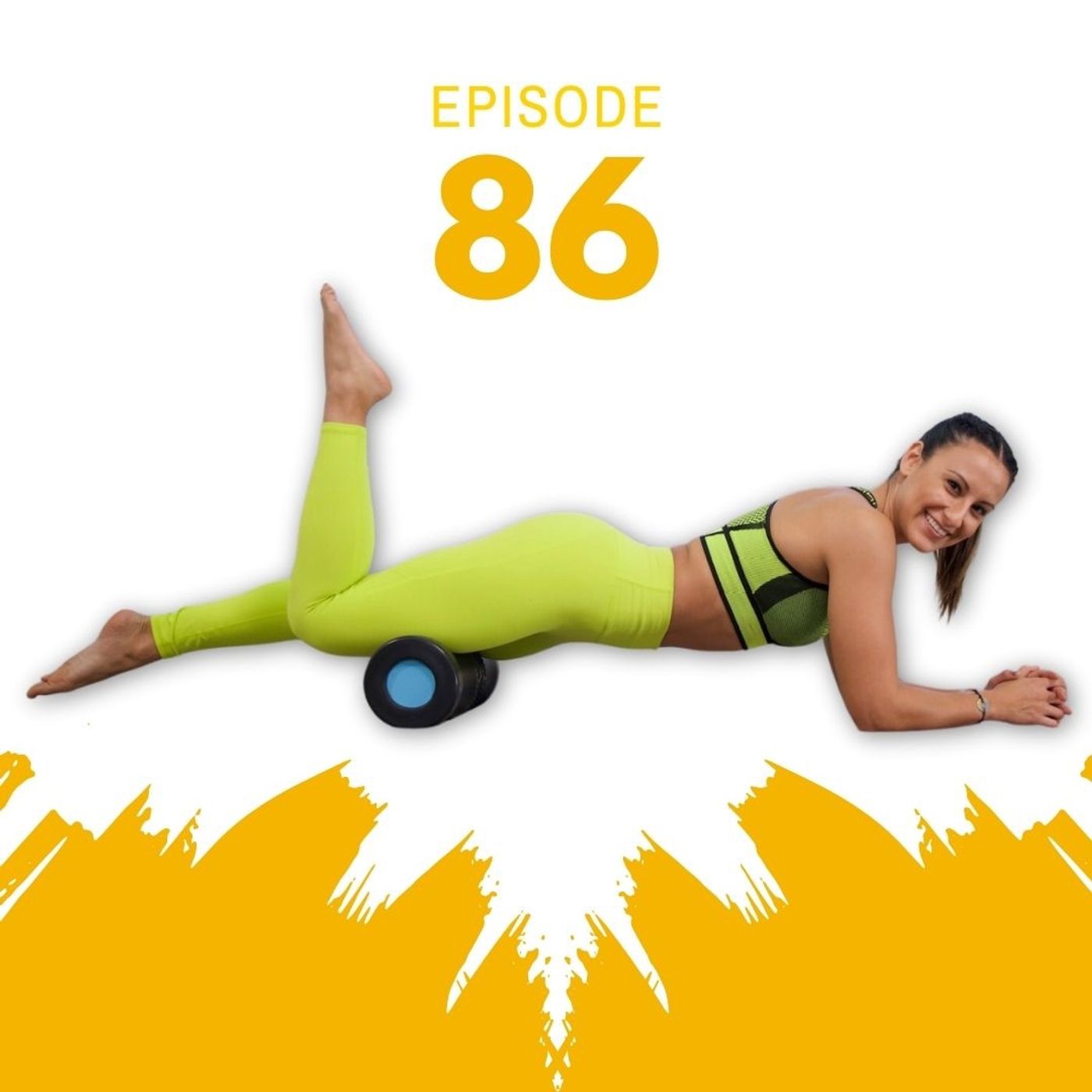
Dr. Jen and Dr. Dom, both doctors of physical therapy, provide an in-depth look at the actual mechanisms behind foam rolling. They challenge the traditional understanding of "my...
Mike Reinold is joined by strength coaches Greg Robbins and Tony Bonvecchio from The Strength House to answer listener questions on mixed grip deadlifts, self-myofascial release...

Heather Edwards interviews personal trainer, yoga teacher, self-myofascial release specialist, and sports nutritionist Heather Hausman from Missouri. Hausman shares her philosop...
Licensed massage therapists Matt and Aaron Pendola dive deep into whether foam rolling and self-myofascial release actually work, drawing on over 20 years of combined experience...