Summary
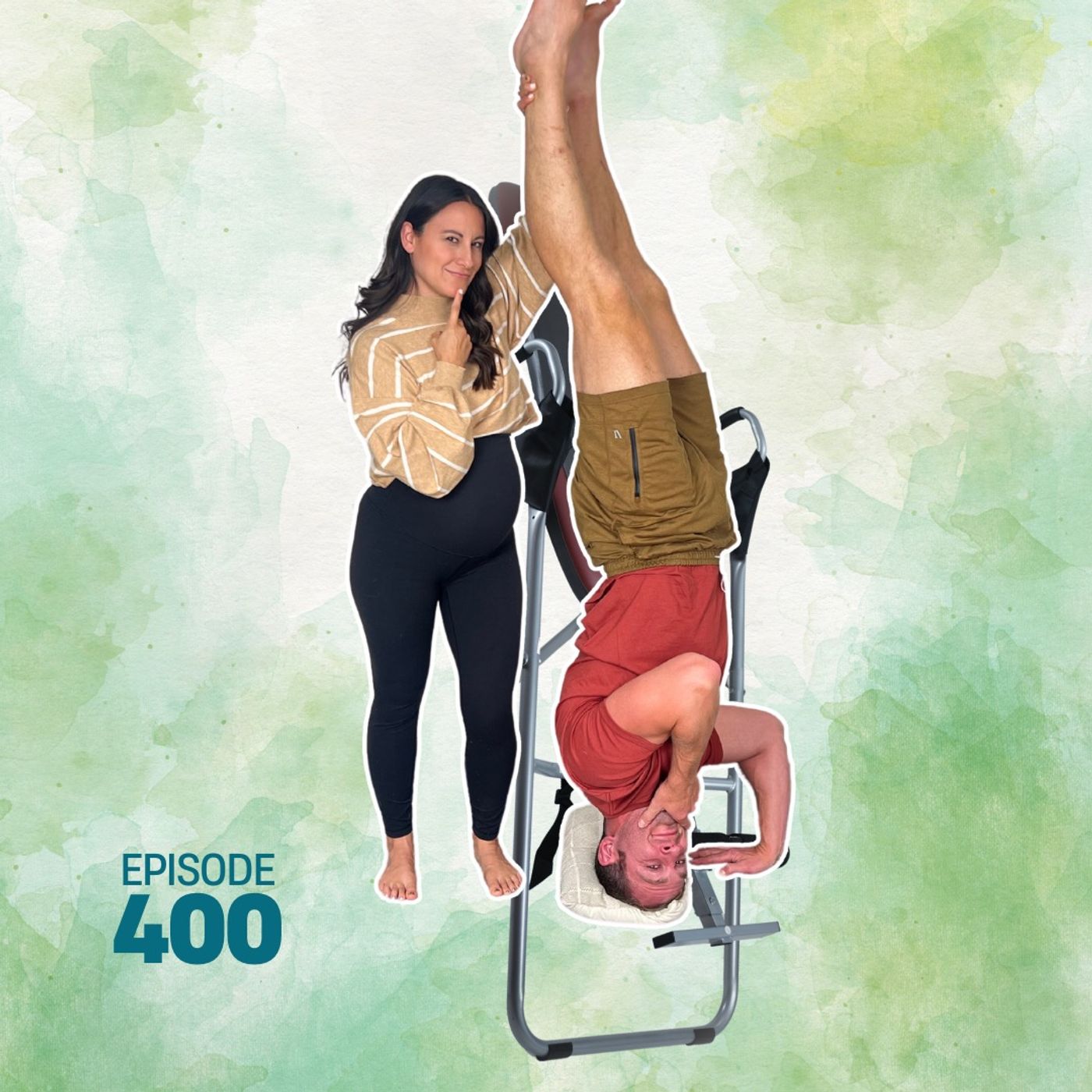
Doctors of physical therapy Dr. Jen and Dr. Dom break down the research on inversion tables for low back pain. They review two studies with conflicting results: one showing short-term pain reduction and functional improvements from lumbar traction, and a larger review of 32 RCTs finding little to no impact on pain intensity or functional status. They explain that inversion therapy is a passive treatment that may offer temporary relief by decompressing the spine, but caution against using it as a standalone fix. The hosts emphasize that addressing root causes through exercise and strength training is essential for long-term back pain management.
Key Points
- Inversion tables use gravity-assisted traction to decompress the spine and relieve pressure on discs and nerves
- A study of 403 participants found traction showed lower pain and improved function in the short term but not long term
- A larger review of 32 RCTs found traction had little to no impact on pain, function, or return to work
- Inversion therapy is a passive treatment that provides temporary relief, similar to heat or massage
- Rebound spasm can occur when returning to standing after traction, making it worse for some people
- The hosts recommend trying inversion at a clinician's office before purchasing a table
- Addressing root causes through exercise and strength training is critical for lasting relief
- Stress, sleep, hydration, and nutrition all contribute to low back pain and should be addressed
Key Moments
What inversion tables actually do to your spine
Dr. Dom and Dr. Jen explain that inversion table therapy is a passive treatment using gravity-facilitated traction to distract lumbar vertebrae, with adjustable angles from slight lean to near-vertical. Results are temporary because the decompression effect reverses once you stand back up.
"Table therapy is a very popular passive treatment for back pain. And it's a form of spinal traction using gravity facilitated traction of the spine that distracts the lumbar vertebrae."
Research shows short-term benefit only
The hosts review a study of 403 participants showing lumbar traction produced lower pain and improved function in the short term but not the long term, and warn against treating inversion as a standalone fix for back pain.
"There was 403 participants involved and compared with sham or no traction, lumbar traction exhibit, it is significantly lower more pain reduction, function and functional improvements in the short term, but not in the long term."
Larger review finds little to no benefit from traction
A review of 32 randomized controlled trials found that traction, either alone or combined with other treatments, had little to no impact on pain intensity, functional status, or return to work for people with low back pain.
"The findings indicated that traction either alone or in combination with other treatments had little to no impact on pain intensity, functional status, or global improvement and return to work amongst people with low back pain."
Rebound spasm risk after decompression
The hosts describe how some patients experience a rebound spasm effect when returning to standing after inversion, because the spine goes from full traction back to compression, sometimes making symptoms worse rather than better.
"You kind of get like a rebound spasm almost. Because now I went from that complete traction and opening to now I'm standing in and compressing again. And now my back stiffened up."