


Inversion Therapy
Episodes covering inversion therapy — protocols, research, and expert discussions.
Hanging upside down or at an inverted angle to decompress the spine, reduce back pain, improve circulation, and potentially enhance recovery - supported by moderate research for spinal conditions
Evidence-Based Take:
Inversion therapy has legitimate research support for spinal decompression and back pain relief. Unlike many alternative therapies, there are actual clinical trials showing benefits. The mechanism is straightforward: gravity-assisted traction increases intervertebral space, reduces disc pressure, and can relieve nerve compression.
What the Evidence Shows:
- Back pain: Multiple studies show short-term pain reduction
- Disc herniation: One RCT showed 77% of patients avoided surgery with inversion
- Spinal decompression: Measurable increase in intervertebral space
- Flexibility: Improved spinal mobility in some studies
- Circulation: Theoretical benefits, less studied
Honest Assessment:
Inversion therapy works for what it claims - temporarily decompressing the spine. For chronic back pain and disc issues, it can provide real relief and may reduce need for surgery in some cases. However, effects are often temporary (spine re-compresses when upright), and it's not a cure. Contraindicated for several conditions (glaucoma, high blood pressure, heart disease). Best used as part of a comprehensive approach to spinal health, not as a standalone treatment.
Science & Mechanisms
How Inversion Works:
When you invert (go upside down or at an angle), gravity works in reverse on your spine:
Spinal Decompression:
- Normally, gravity compresses vertebrae together
- Inversion allows gravity to create traction
- Intervertebral discs can rehydrate and expand
- Pressure on spinal nerves decreases
- Space between vertebrae increases measurably
The Numbers:
- Standing: ~100% body weight compresses spine
- 60° inversion: Significant decompression begins
- 90° inversion (full): Maximum traction effect
- Measured disc space increase: 3-5mm in studies
Mechanisms of Pain Relief:
1. Disc Decompression:
- Bulging/herniated discs can retract
- Disc material rehydrates
- Pressure on nerve roots decreases
- Creates space for disc healing
2. Muscle Relaxation:
- Paraspinal muscles can release
- Trigger points may resolve
- Muscle spasms decrease
- Fascia can lengthen
3. Joint Mobilization:
- Facet joints separate slightly
- Synovial fluid can redistribute
- Joint capsules stretch
- Improved range of motion
4. Circulation Effects:
- Venous return from legs increases
- Lymphatic drainage may improve
- Blood flow to brain increases (temporarily)
- Intervertebral disc nutrition improves
Why Effects May Be Temporary:
The spine re-compresses when you return to upright. Benefits come from: - Repeated sessions creating cumulative effect - Allowing discs time to heal between compressions - Breaking pain-spasm cycles - Maintaining flexibility
Comparison to Clinical Traction:
Inversion provides similar decompression to clinical spinal traction tables, but is self-administered and more accessible. Some research suggests inversion may be equally or more effective.
Episodes
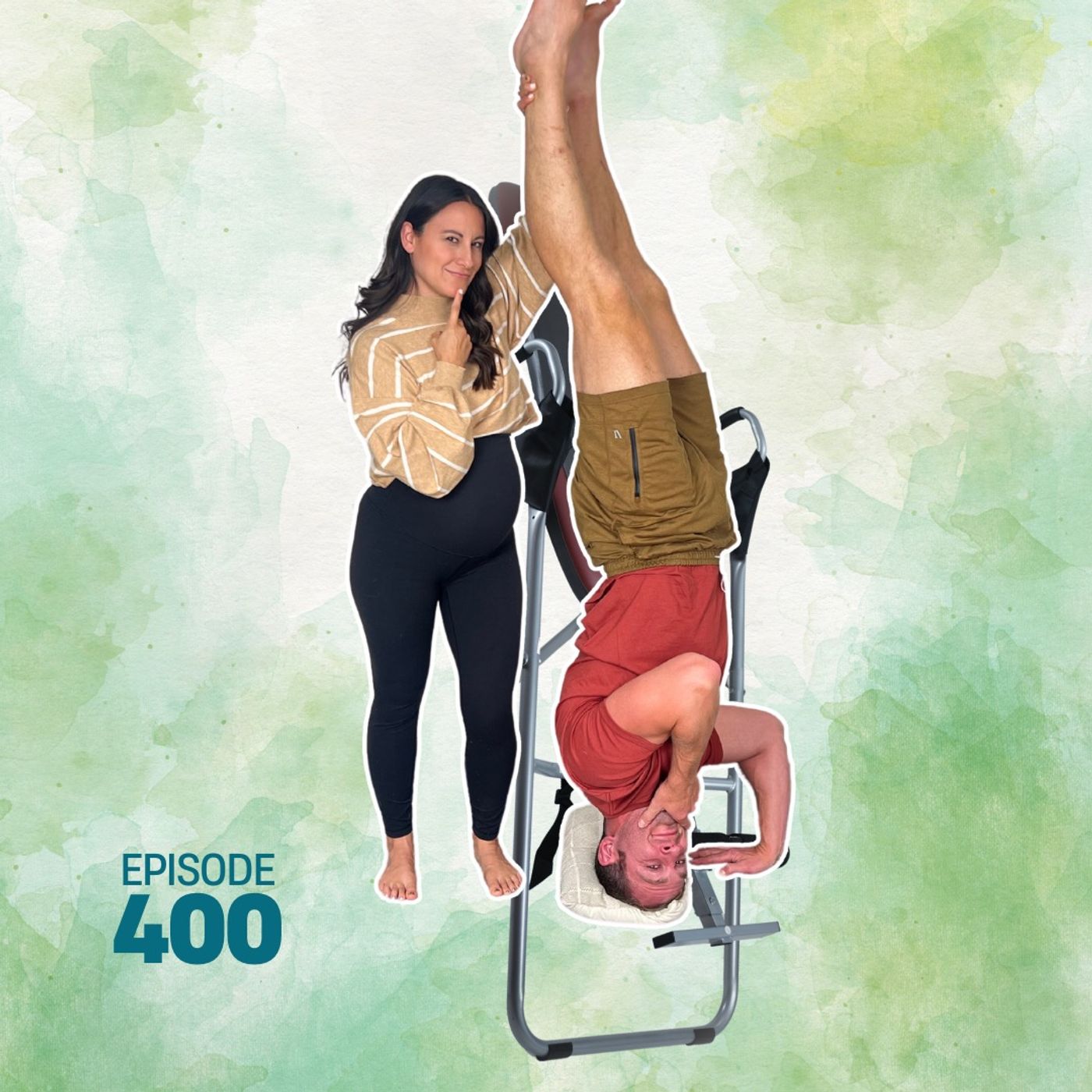
Doctors of physical therapy Dr. Jen and Dr. Dom break down the research on inversion tables for low back pain. They review two studies with conflicting results: one showing shor...
Neurosurgeon Dr. Sanjeev Lakhia from Carolina Neurosurgery and Spine Associates provides a thorough clinical review of inversion therapy for back pain. He walks through a 2012 U...
Tim Ferriss shares a Stoic philosophy reading on succeeding in high-stress situations, drawing on ancient wisdom about finding good within adversity. The episode includes a deta...