Key Takeaway
Systematic review of 25 human studies found encouraging preliminary results for hydrogen water across exercise, cardiovascular, metabolic, and cognitive outcomes.
Summary
This comprehensive systematic review analyzed 25 human studies investigating the health effects of hydrogen-rich water (HRW). The review evaluated evidence across multiple domains including exercise performance, cardiovascular health, metabolic function, liver disease, and cognitive function.
The authors found that HRW showed promise across several areas, with the most consistent benefits observed in exercise recovery, oxidative stress reduction, and metabolic parameters. Many studies reported improvements in blood lactate levels, muscle fatigue, and inflammatory markers.
While the overall findings were encouraging, the authors emphasized that most studies were small-scale and heterogeneous in methodology, making definitive conclusions difficult.
Methods
The review followed PRISMA guidelines and searched major databases including PubMed, EMBASE, and Cochrane Library. Inclusion criteria focused on human clinical trials investigating hydrogen-rich water consumption. The 25 included studies varied in design (RCTs, crossover trials, open-label studies) and covered diverse populations from healthy athletes to patients with metabolic syndrome.
Key Results
Key findings across domains:
- Exercise: Reduced blood lactate, decreased muscle fatigue, faster recovery
- Cardiovascular: Improvements in vascular function and lipid profiles in some studies
- Metabolic: Beneficial effects on glucose metabolism and oxidative stress markers
- Liver: Improved liver enzymes in patients with fatty liver disease
- Cognitive: Limited but positive preliminary data on brain function
Figures
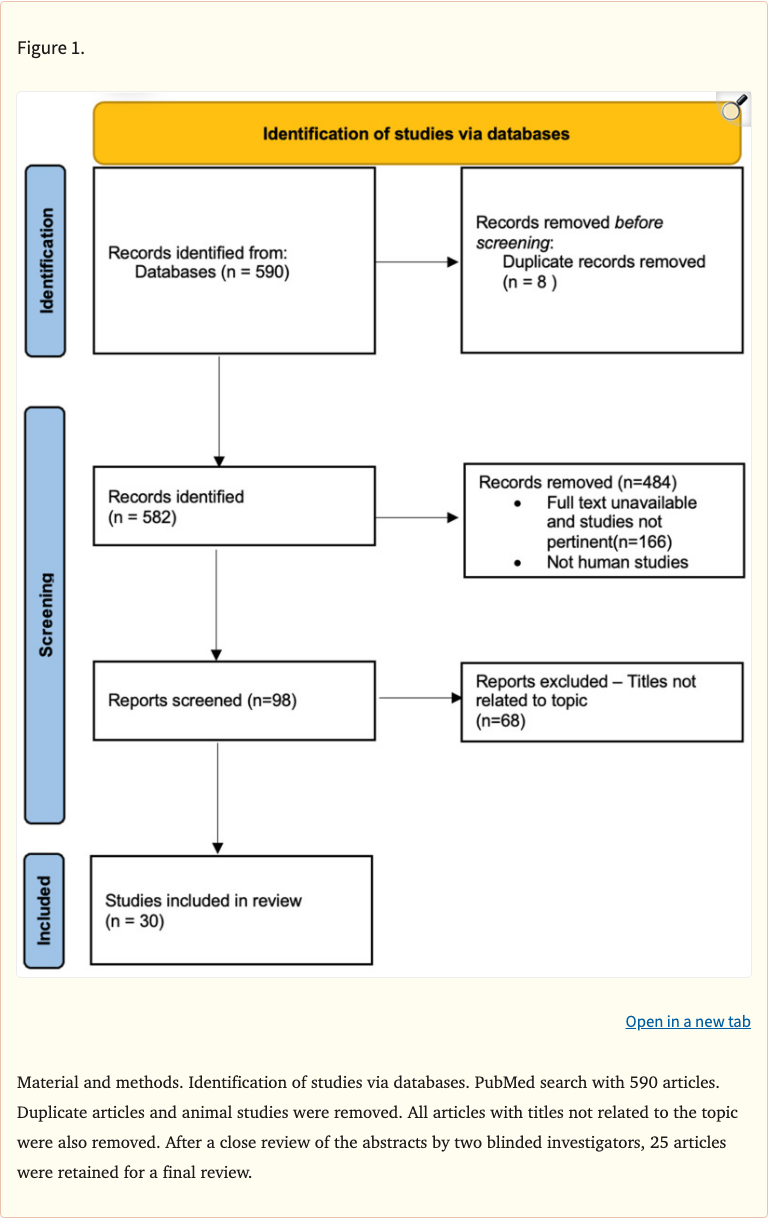 Figure 1
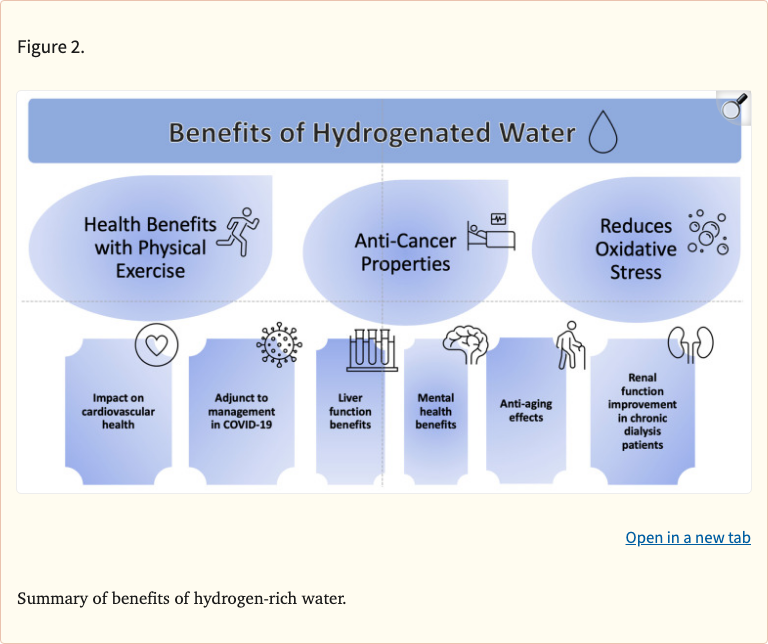 Figure 2
Limitations
- Small sample sizes in most included studies
- Heterogeneous methodologies and HRW concentrations
- Short intervention durations in many trials
- Potential publication bias toward positive results
- Limited long-term follow-up data