
Key Takeaway
H2O2 functions as an important signaling molecule in cells, but the therapeutic implications of exogenous H2O2 administration remain unclear.
Summary
This review examines the role of reactive oxygen species, including hydrogen peroxide, in biological systems.
Key points:
- H2O2 is produced naturally during cellular metabolism
- Functions as a signaling molecule at low concentrations
- Immune cells deliberately produce H2O2 to kill pathogens
- Balance between production and antioxidant defenses is critical
Biological roles of H2O2:
| Role | Description |
|---|---|
| Cell signaling | Second messenger in growth factor pathways |
| Immune function | Respiratory burst in neutrophils |
| Thyroid hormone | Required for synthesis |
| Gene regulation | Redox-sensitive transcription factors |
Concentration matters:
- Nanomolar: Signaling functions
- Micromolar: Stress responses activated
- Higher: Oxidative damage, cell death
Implications for therapy:
The paper establishes that H2O2 has legitimate biological functions but does not support claims that exogenous H2O2 therapy provides benefits. The body tightly regulates H2O2 levels, and overwhelming these systems may cause harm rather than benefit.
Clinical relevance:
Provides biological context for H2O2 but does not validate therapeutic use.
Figures
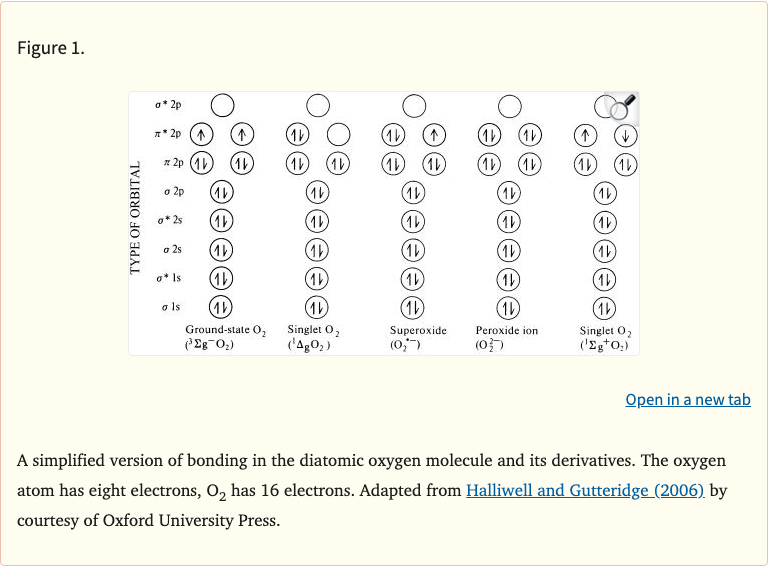 Figure 1
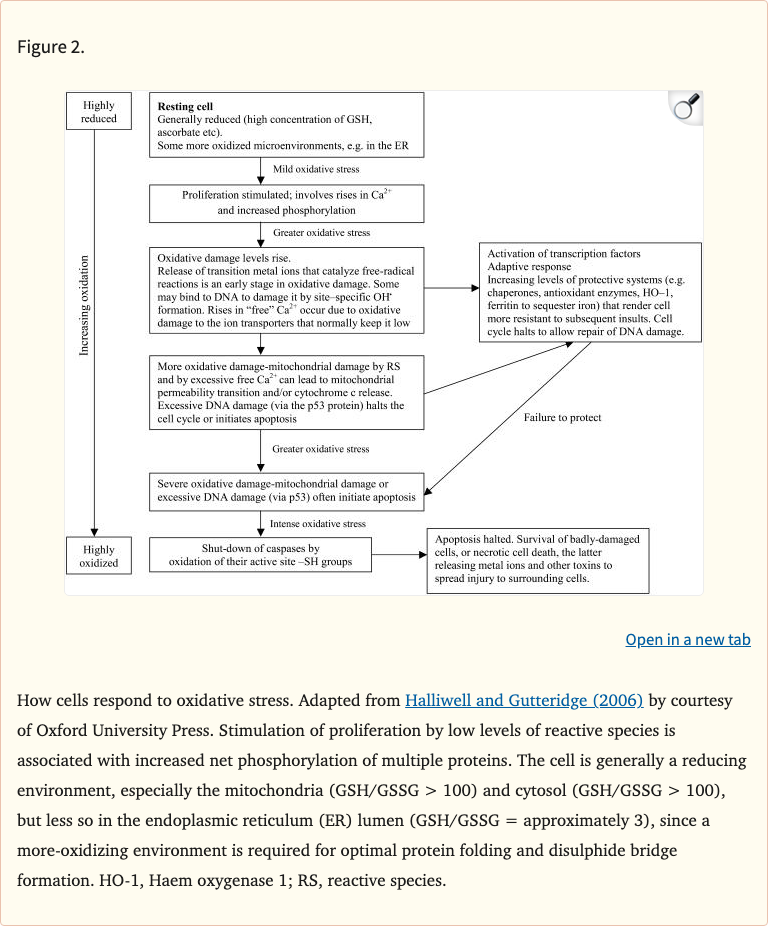 Figure 2