
Key Takeaway
H2O2 plays a key role in immune cell function, but systemic H2O2 therapy lacks evidence for enhancing immunity.
Summary
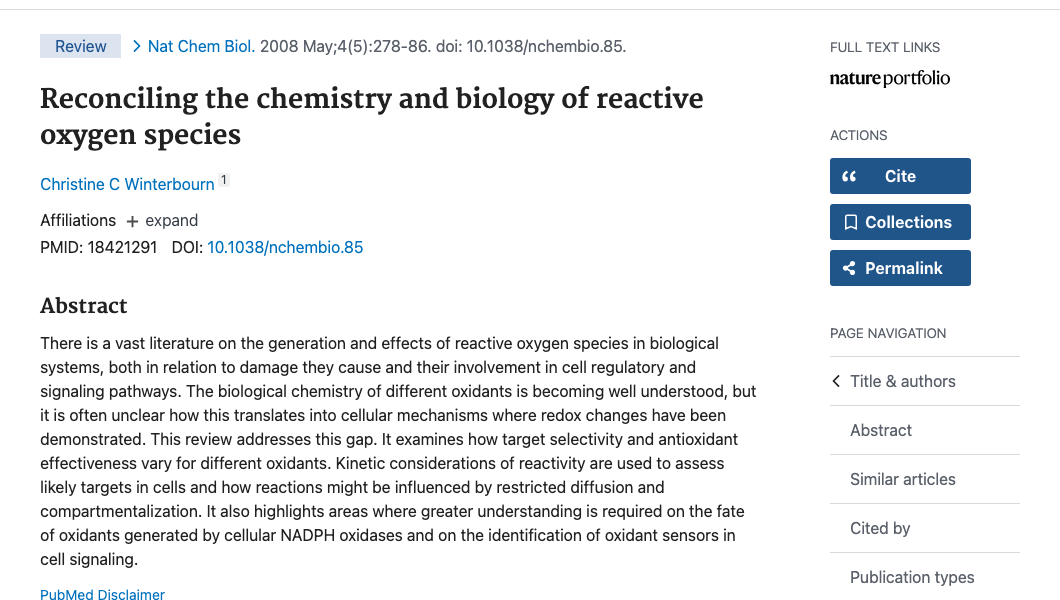
This review reconciles chemical reactivity of H2O2 with its biological functions, particularly in immunity.
Immune functions of H2O2:
- Neutrophils produce H2O2 via respiratory burst
- Part of antimicrobial defense system
- Works with myeloperoxidase to form hypochlorous acid
- Localized production at site of infection
The respiratory burst:
| Component | Function |
|---|---|
| NADPH oxidase | Produces superoxide |
| SOD | Converts to H2O2 |
| MPO | Converts H2O2 to HOCl |
| HOCl | Direct antimicrobial |
Key insight:
The immune system's use of H2O2 is highly targeted and localized. Systemic H2O2 administration doesn't replicate this - it's like using a firehose instead of a water pistol.
Problems with therapy logic:
- Immune H2O2 is produced where needed
- Systemic H2O2 doesn't target pathogens
- May cause collateral oxidative damage
- Body already makes plenty of H2O2
What this means:
The immune system's natural H2O2 use doesn't validate drinking or injecting H2O2. These are fundamentally different delivery systems with different effects.
Clinical relevance:
Provides biological basis for H2O2 in immunity but does not support therapeutic H2O2 administration.