Key Takeaway
Ozone therapy shows considerable therapeutic potential for musculoskeletal conditions including osteoarthritis, fractures, and chronic pain, but safety concerns and evidence gaps call for high-quality long-term trials and international clinical guidelines.
Summary
This comprehensive review examines the role of ozone therapy in treating musculoskeletal disorders affecting bones, joints, muscles, and connective tissues.
The authors found that ozone therapy demonstrates considerable therapeutic applications through its anti-inflammatory and analgesic properties, modulating pain and inflammation across conditions including osteoarthritis, fractures, and chronic pain syndromes.
However, the review highlights safety concerns regarding potential toxicity of oxidizing agents, inconsistencies in patient responses, and the need for stringent administration protocols. The authors call for additional high-quality, long-term studies and the development of international clinical guidelines for broader medical acceptance.
Methods
- Comprehensive narrative review of ozone therapy in musculoskeletal medicine
- Analysis of therapeutic mechanisms (anti-inflammatory, analgesic properties)
- Assessment of clinical applications across musculoskeletal conditions
- Safety and toxicity evaluation
Key Results
- Considerable therapeutic potential for osteoarthritis, fractures, chronic pain
- Anti-inflammatory and analgesic mechanisms identified
- Inconsistent patient responses observed across studies
- Safety concerns regarding oxidizing agent toxicity noted
Figures
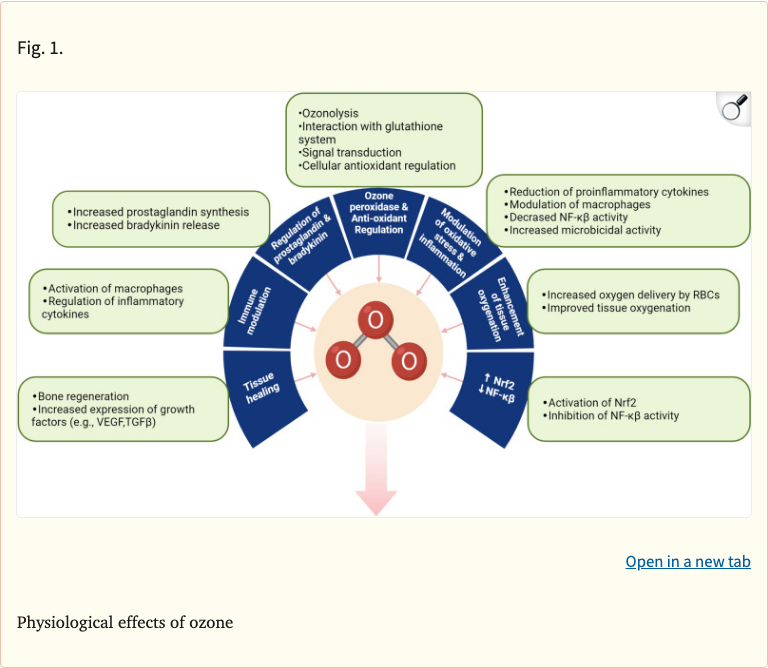 Figure 1
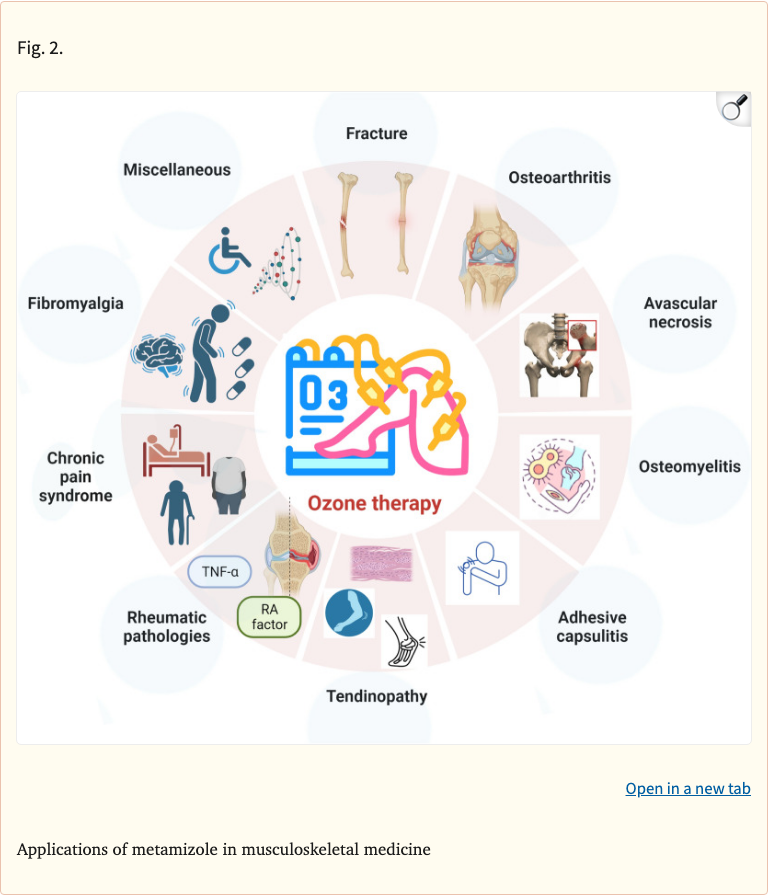 Figure 2
Limitations
- Narrative review without formal meta-analysis
- Limited high-quality long-term clinical trials available
- No international clinical guidelines established
- Inconsistent dosing and administration protocols across studies
Related Interventions
Related Studies
Discussed In