
Key Takeaway
Higher resting HRV is associated with better emotional regulation, cognitive flexibility, and self-control, supporting HRV training for cognitive benefits.
Summary
This comprehensive review examines the relationship between heart rate variability and psychological function, establishing HRV as a marker of self-regulatory capacity.
The neurovisceral integration model explains that vagal tone (reflected in HRV) connects the prefrontal cortex to the heart, linking cognitive and emotional regulation to autonomic function. Higher HRV is consistently associated with better executive function, emotional regulation, and stress resilience.
The paper provides theoretical grounding for why HRV training may improve cognitive and emotional outcomes.
Methods
- Review of psychophysiological research
- Integration of neurovisceral model
- Analysis of HRV-cognition correlations
Key Results
- Higher HRV linked to better self-regulation
- Vagal tone reflects prefrontal-autonomic connection
- HRV predicts stress resilience
- Cognitive flexibility associated with HRV
Figures
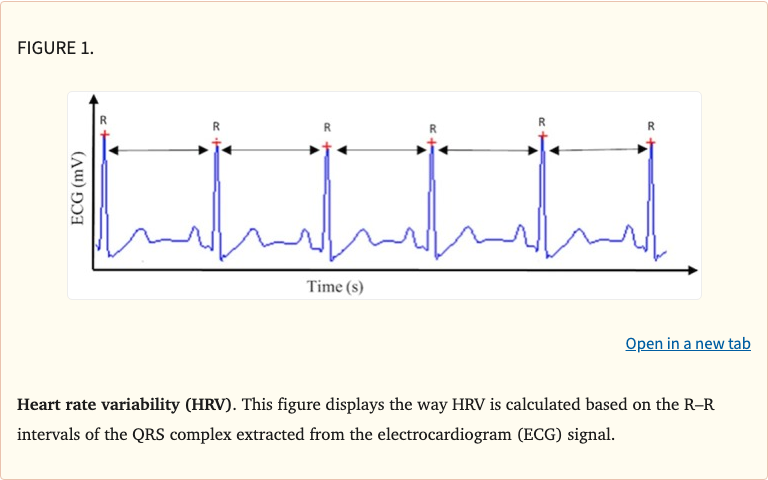 Figure 1
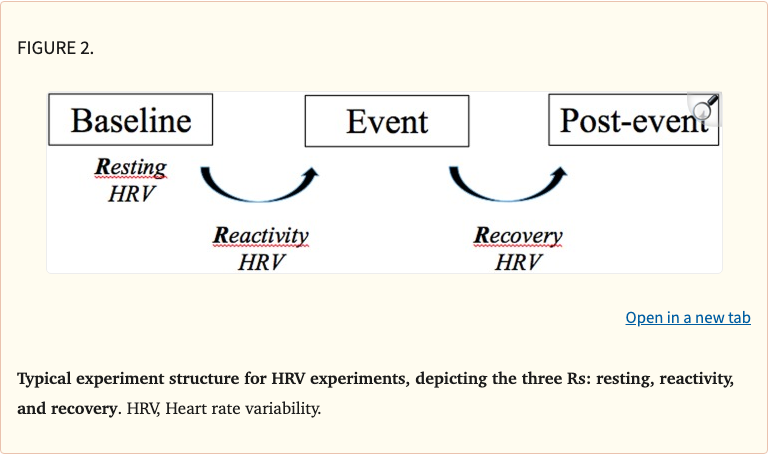 Figure 2
Limitations
- Correlational evidence primarily
- Causation direction unclear
- Individual variation significant