
Key Takeaway
Mouth taping during sleep reduced snoring severity and improved mild obstructive sleep apnea in adults who were primarily mouth breathers.
Summary
This study directly examined mouth taping as an intervention for sleep-disordered breathing. Participants who were identified as mouth breathers during sleep used porous oral patches to encourage nasal breathing overnight.
Results showed significant reductions in snoring severity scores and improvements in sleep apnea indices (AHI) for those with mild OSA. The intervention was well-tolerated with no serious adverse events.
This is one of the few clinical studies directly testing mouth taping for sleep, providing evidence beyond anecdotal reports.
Methods
- Prospective intervention study
- Identified mouth-breathing sleepers
- Porous oral patches applied nightly
- Sleep studies before and after intervention
- Snoring and AHI measurements
Key Results
- Significant reduction in snoring scores
- Improved AHI in mild OSA patients
- Well-tolerated by participants
- No serious adverse events
Figures
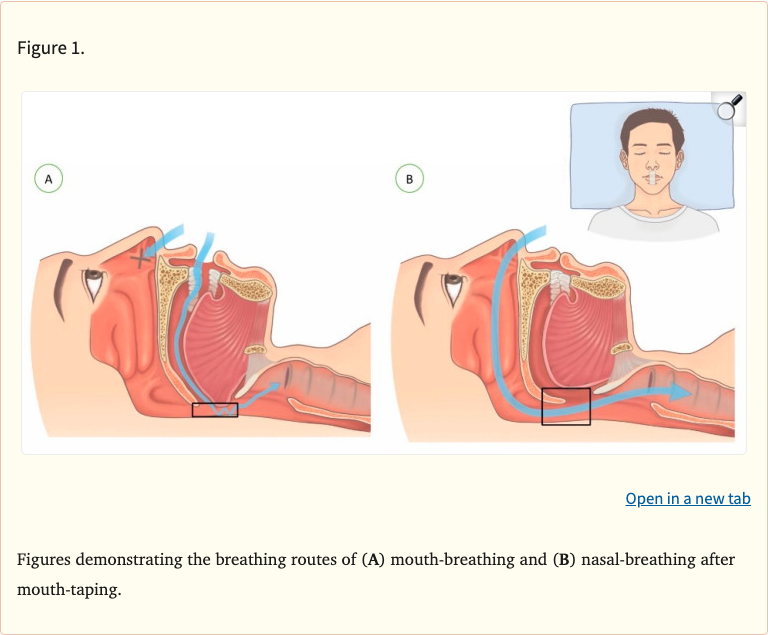 Figure 1
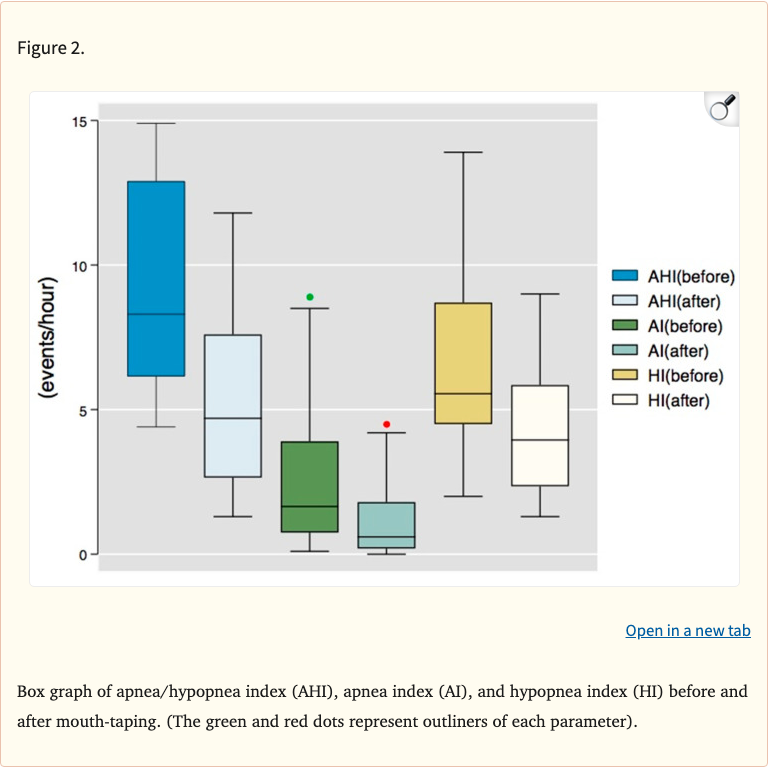 Figure 2
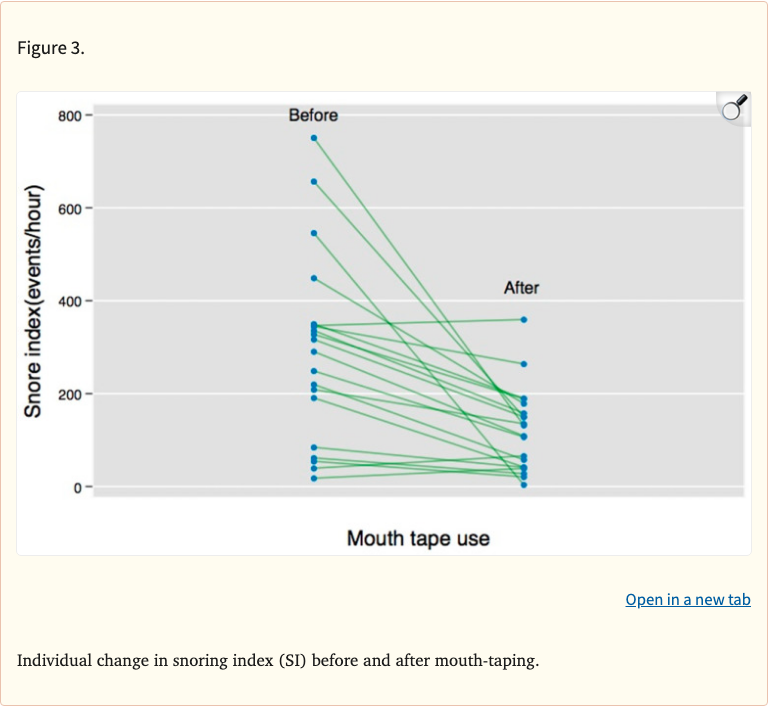 Figure 3
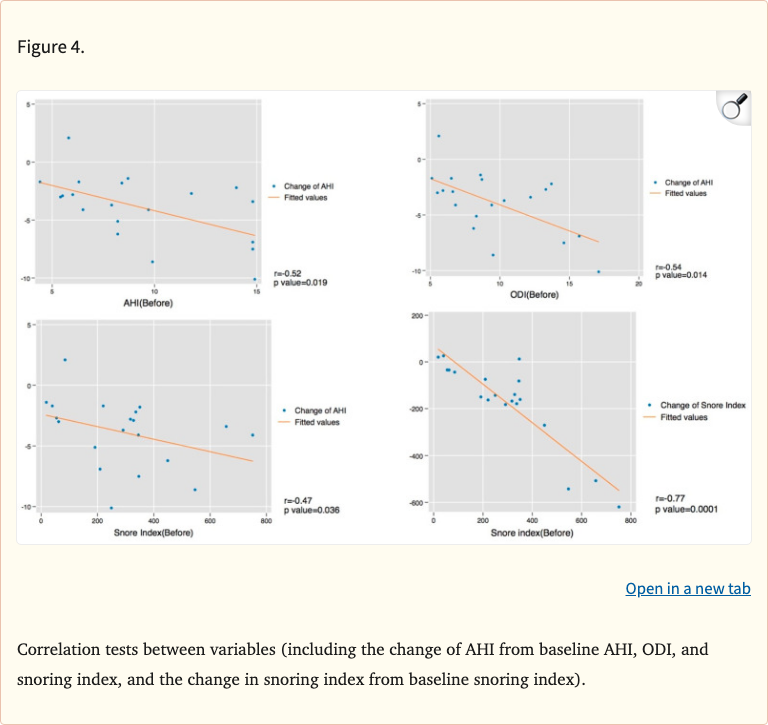 Figure 4
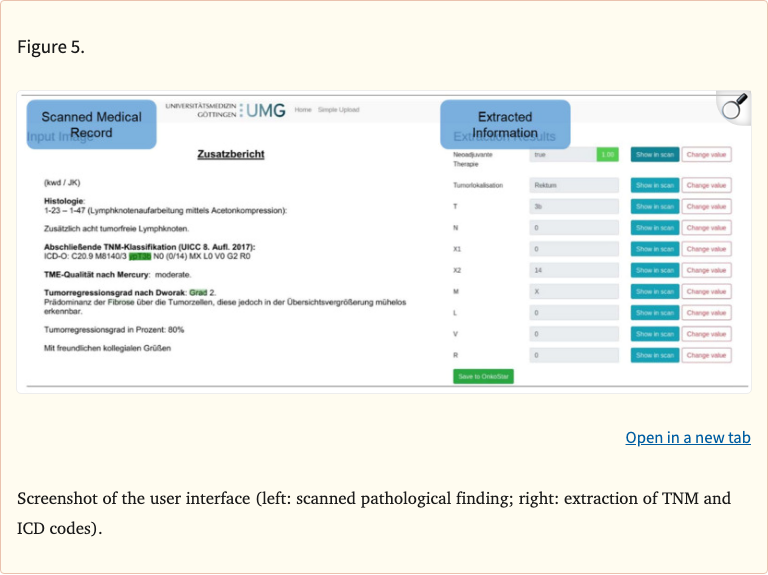 Figure 5
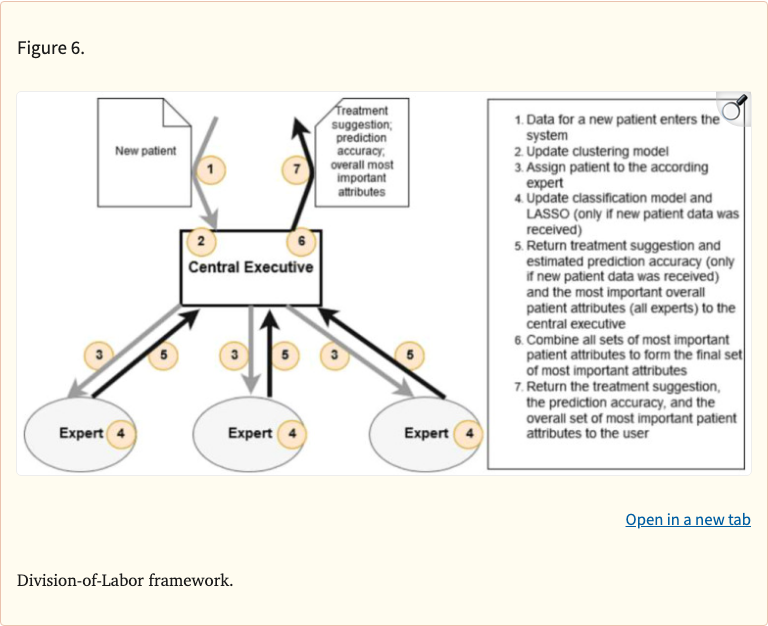 Figure 6
Limitations
- Small sample size (30 participants)
- No control group
- Short intervention period
- Only studied mild sleep apnea