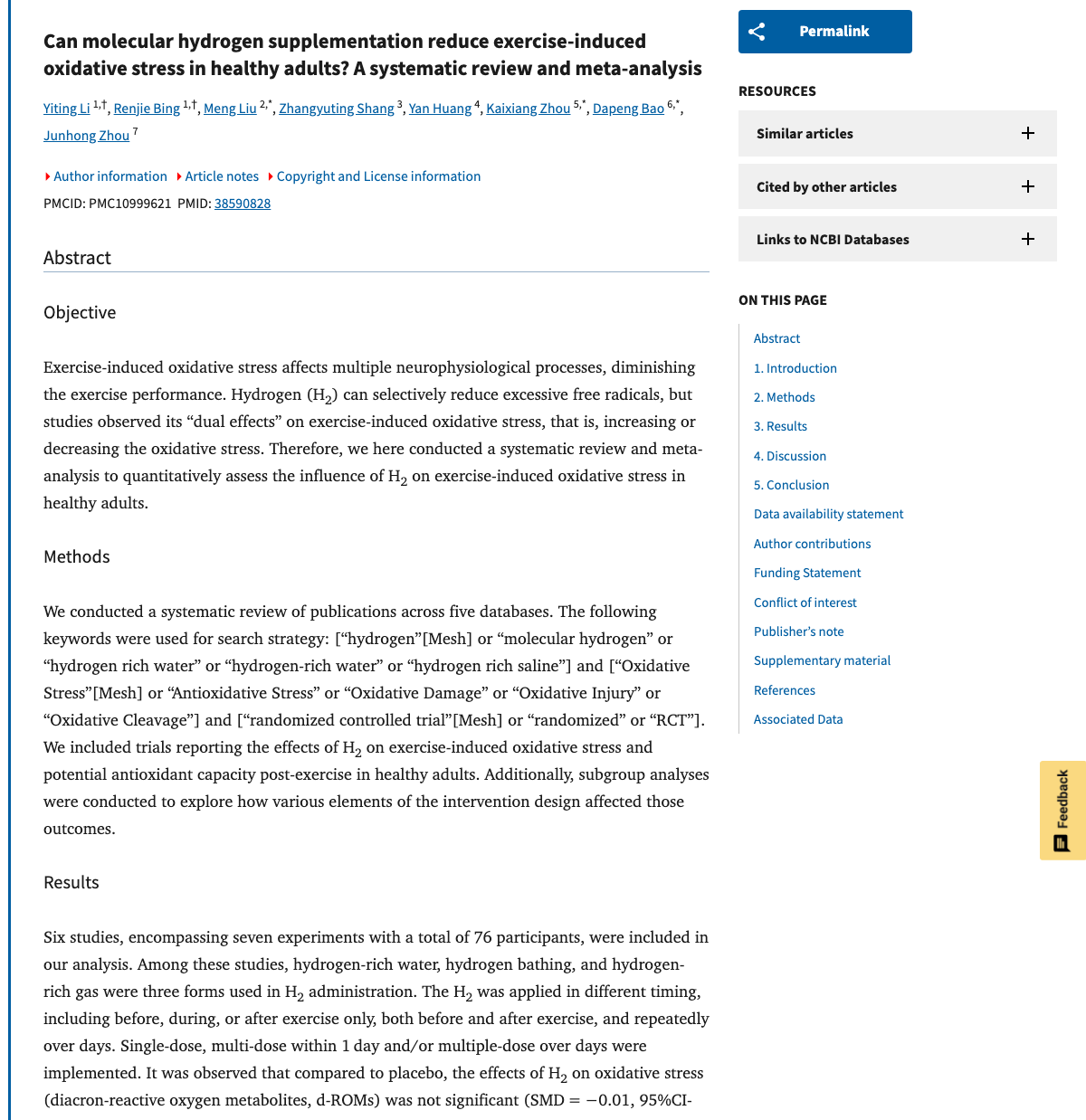
Key Takeaway
Meta-analysis confirmed molecular hydrogen significantly reduces exercise-induced oxidative stress markers (d-ROMs) and increases antioxidant capacity (BAP) in healthy adults.
Summary
This systematic review and meta-analysis specifically investigated whether molecular hydrogen supplementation could reduce exercise-induced oxidative stress in healthy adult populations. The analysis focused on validated oxidative stress biomarkers including derivatives of reactive oxygen metabolites (d-ROMs) and biological antioxidant potential (BAP).
The pooled results demonstrated that hydrogen supplementation significantly attenuated exercise-induced oxidative stress while simultaneously enhancing antioxidant capacity. These findings support the use of molecular hydrogen as a sports supplement for athletes seeking to manage oxidative stress from training.
The meta-analysis provides the most robust evidence to date for hydrogen's antioxidant effects in exercise contexts, though the authors call for additional large-scale RCTs to confirm these findings.
Methods
Following PRISMA guidelines, researchers searched PubMed, Web of Science, EMBASE, and Cochrane Library for randomized controlled trials. Included studies measured oxidative stress biomarkers (d-ROMs, BAP, MDA, SOD) before and after exercise with hydrogen vs. placebo supplementation. Random-effects meta-analysis was performed, with subgroup analyses by hydrogen delivery method (water vs. inhalation) and exercise type. Risk of bias was assessed using Cochrane RoB 2 tool.
Key Results
Key findings:
- d-ROMs (oxidative stress marker): Significantly reduced with hydrogen supplementation (SMD = -0.56, 95% CI: -0.89 to -0.23, p < 0.001)
- BAP (antioxidant capacity): Significantly increased (SMD = 0.48, 95% CI: 0.14 to 0.82, p = 0.006)
- Effects were consistent across hydrogen delivery methods (water and inhalation)
- Benefits observed in both acute and chronic supplementation protocols
Figures
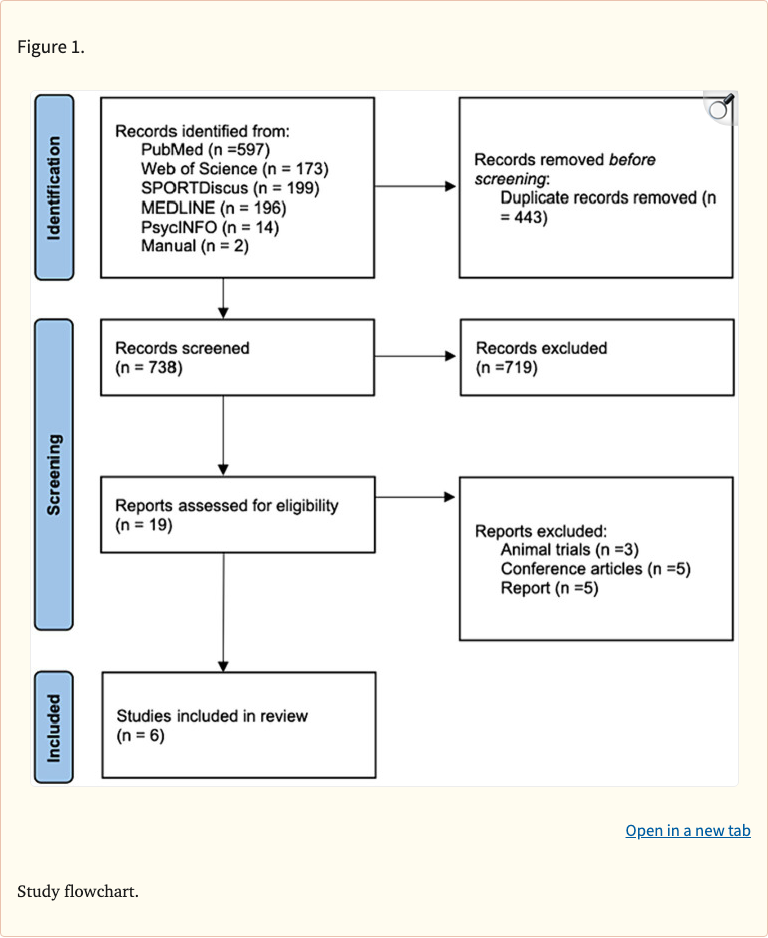 Figure 1
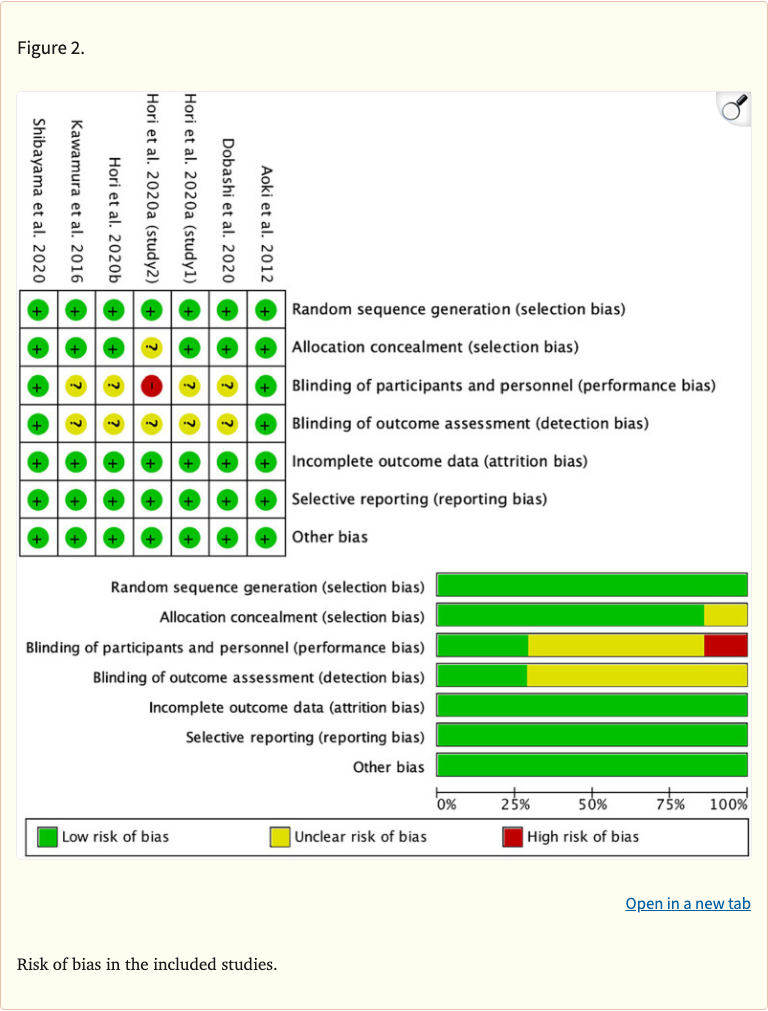 Figure 2
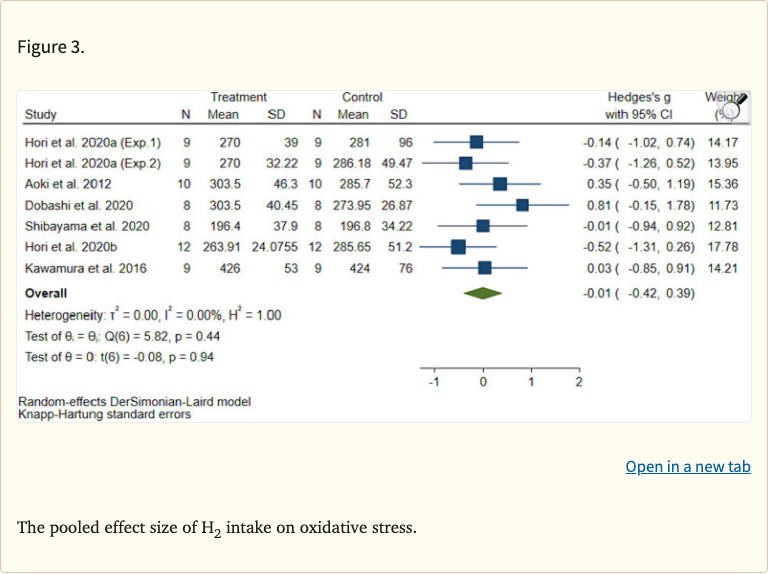 Figure 3
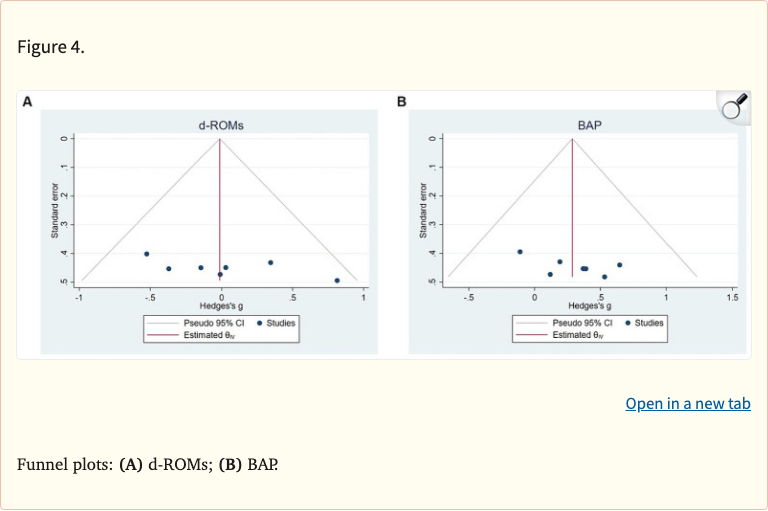 Figure 4
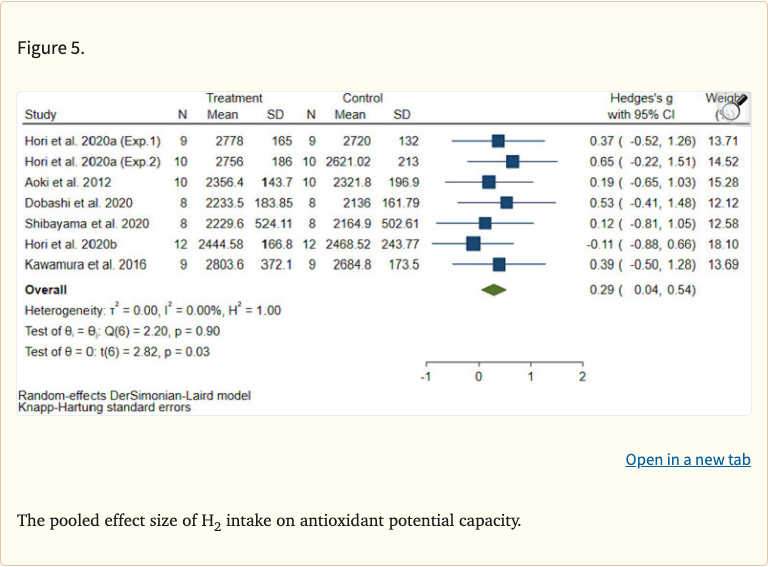 Figure 5
Limitations
- Relatively small number of included RCTs
- Varied exercise protocols across studies
- Different hydrogen concentrations and delivery methods
- Short-term follow-up in most studies
- Limited data on performance outcomes beyond biomarkers
- Most studies conducted in Asian populations