
Key Takeaway
Rebound exercise on mini-trampolines improves balance, postural stability, and functional mobility in people with neurological conditions including stroke, multiple sclerosis, and Parkinsons disease.
Summary
This systematic review examined the evidence for rebound exercise (mini-trampoline-based training) as a rehabilitation tool for improving balance and mobility in individuals with neurological disorders. The authors searched multiple databases and identified studies involving participants with stroke, multiple sclerosis, Parkinsons disease, and other neurological conditions.
The review found consistent evidence that rebound exercise programs led to improvements in static and dynamic balance, postural stability, and functional mobility across the included studies. The unstable surface of the mini-trampoline provides a unique proprioceptive challenge that appears to stimulate neuromuscular adaptations beneficial for balance recovery.
The authors concluded that rebound exercise is a promising intervention for neurological rehabilitation, though they noted that the overall quality of evidence was moderate and called for more large-scale randomized controlled trials with standardized protocols. The low-impact nature of trampoline-based exercise makes it particularly suitable for populations with limited mobility or neurological impairments.
Figures
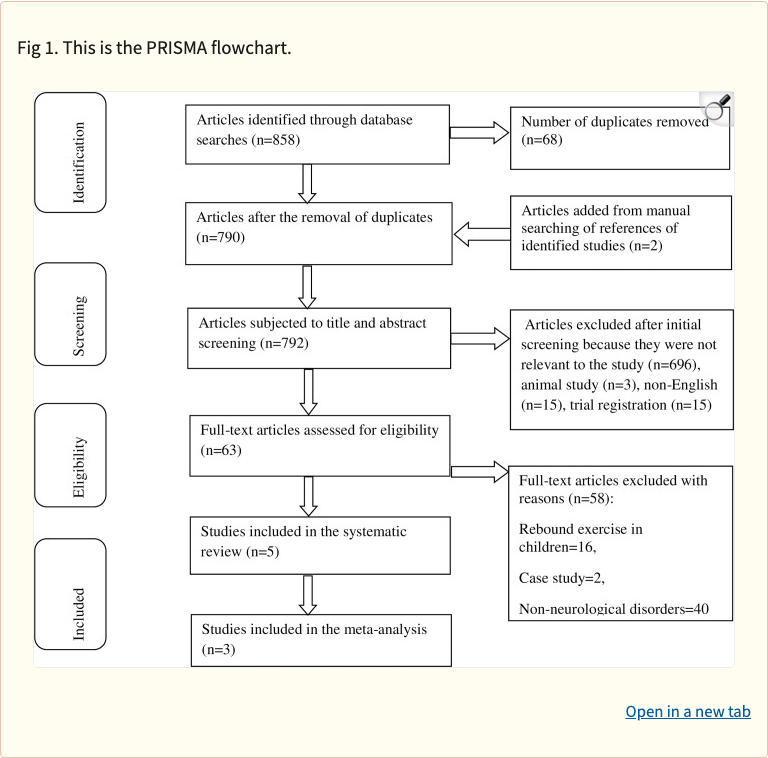 Figure 1
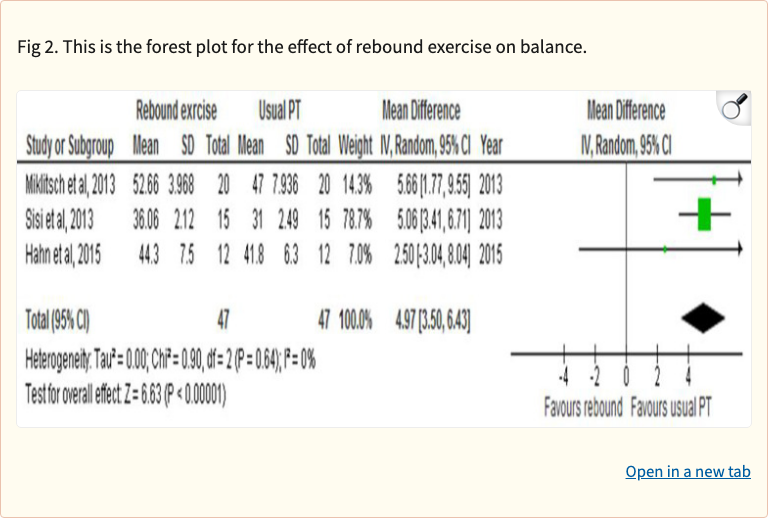 Figure 2
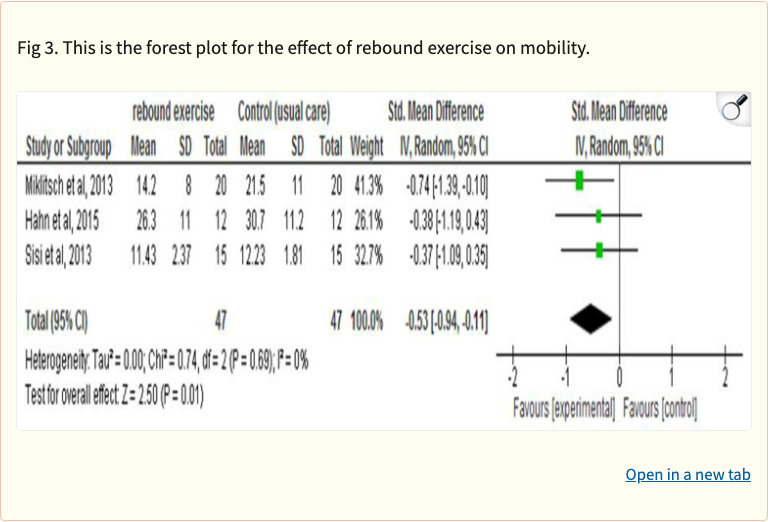 Figure 3