
Key Takeaway
A 12-week mini-trampoline program significantly improved balance, functional mobility, gait speed, and leg strength in older women with osteopenia, with no adverse events reported.
Summary
This randomized controlled trial investigated the effects of a structured mini-trampoline exercise program on multiple health outcomes in older women diagnosed with osteopenia. Forty-five women aged 60 and older were randomized to either an intervention group (twice-weekly supervised mini-trampoline sessions for 12 weeks) or a control group that maintained usual activities.
The intervention group demonstrated statistically significant improvements in balance (measured by the Berg Balance Scale), functional mobility (Timed Up and Go test), gait speed (10-meter walk test), and lower limb strength compared to controls. Fear of falling also decreased in the training group. However, no significant changes in bone mineral density at the lumbar spine or femoral neck were observed over the 12-week period.
Importantly, the program was well tolerated with no adverse events, suggesting mini-trampoline training is a safe and effective exercise modality for improving fall-related risk factors in older women with low bone density. The authors note that longer intervention periods may be needed to detect meaningful changes in bone mineral density.
Figures
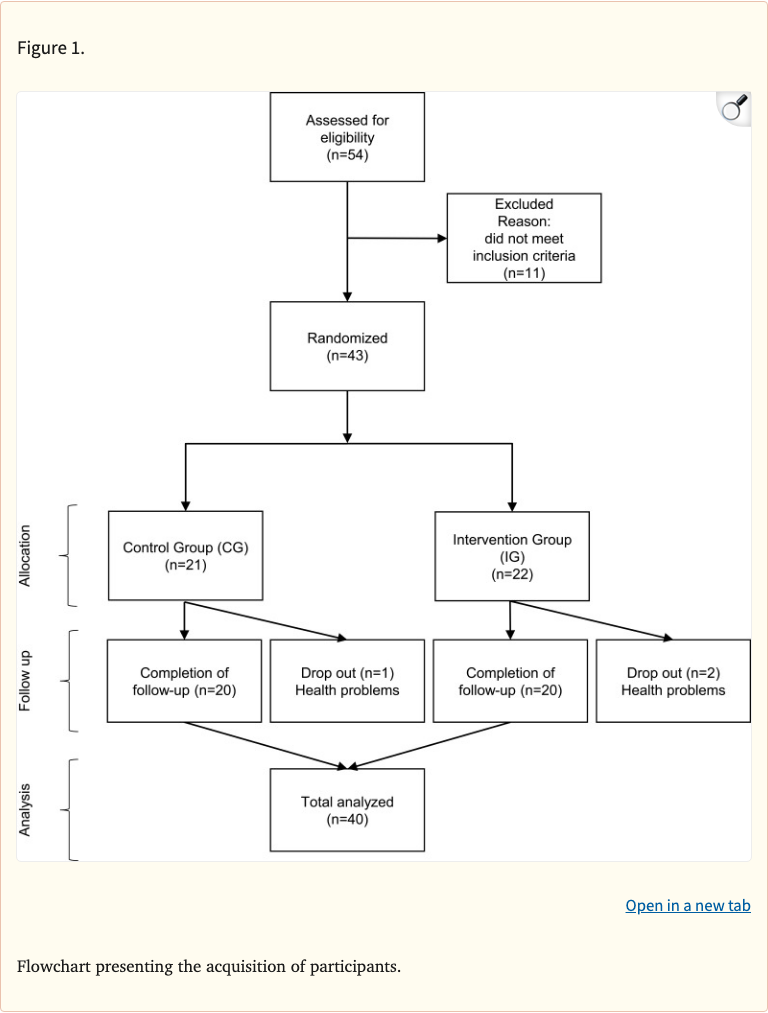 Figure 1
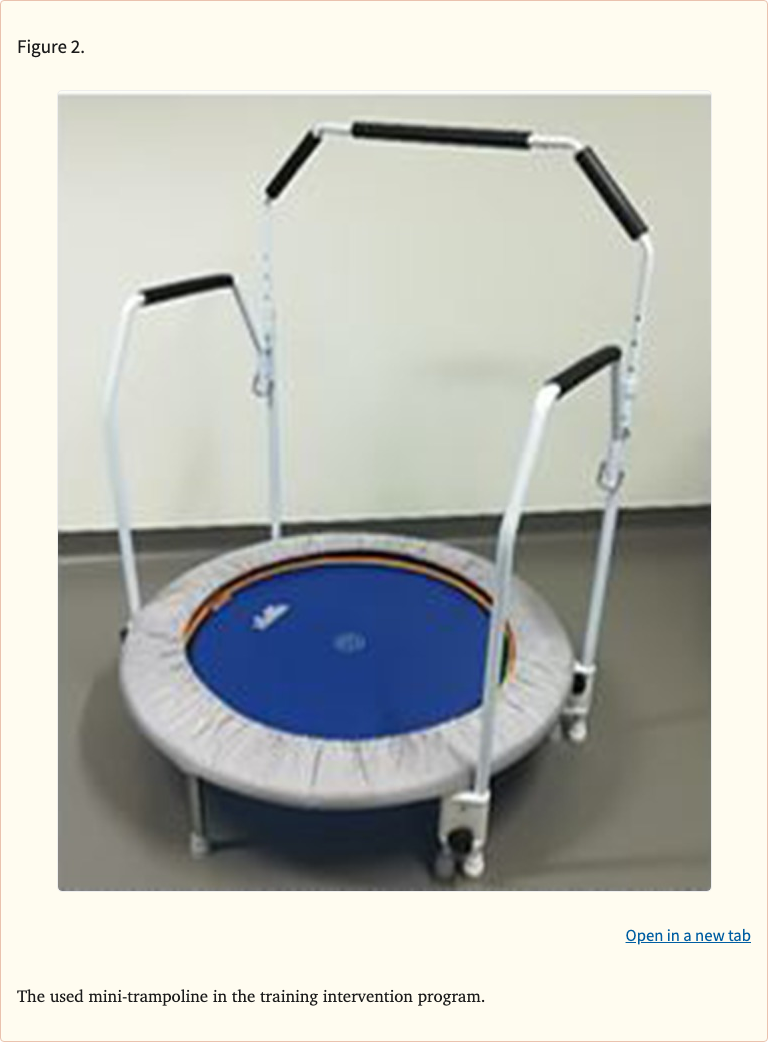 Figure 2
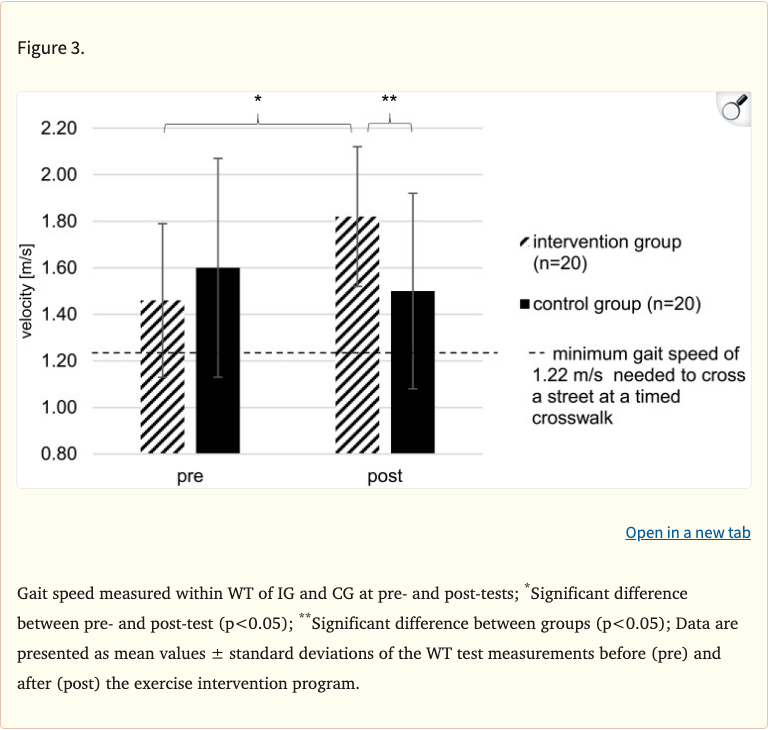 Figure 3
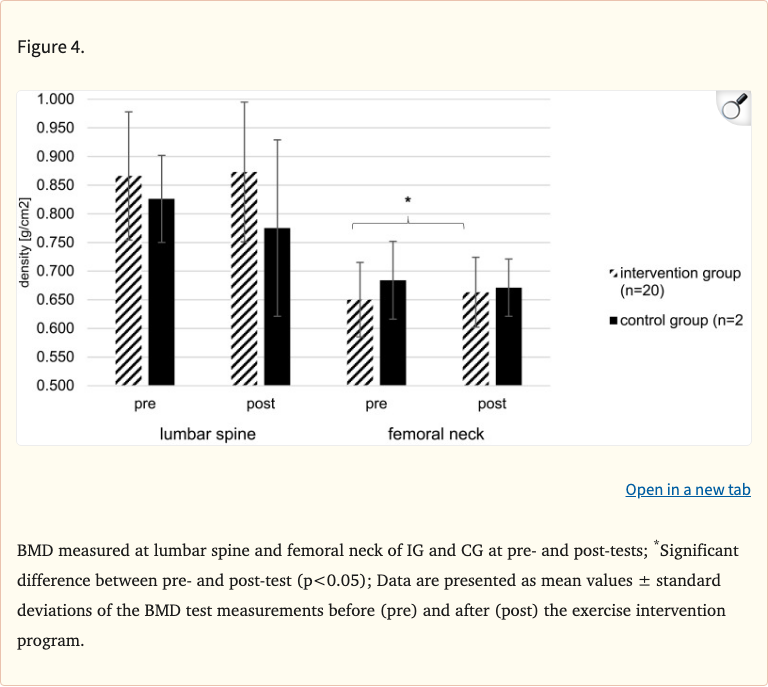 Figure 4