
Key Takeaway
Combining Feldenkrais method with dynamic neuromuscular stabilization exercises produced greater improvements in pain, disability, balance, and fear of movement in older women with chronic low back pain than either approach alone.
Summary
This randomized controlled trial investigated whether integrating the Feldenkrais method with dynamic neuromuscular stabilization (DNS) exercises would produce superior outcomes compared to either intervention alone in older women with nonspecific chronic low back pain. Participants were divided into three groups: Feldenkrais only, DNS only, and a combined Feldenkrais plus DNS group.
After the intervention period, all three groups showed significant improvements in pain intensity, functional disability, balance, and kinesiophobia (fear of movement). However, the combined group demonstrated significantly greater improvements across all measured outcomes compared to either single-intervention group. The integrated approach showed particularly notable advantages in balance measures and fear-avoidance beliefs.
The findings suggest that the Feldenkrais method's emphasis on body awareness and movement quality complements the neuromuscular stabilization approach, creating a synergistic effect. For older adults with chronic low back pain, combining somatic education with targeted stabilization exercises may offer a more comprehensive treatment strategy that addresses both the sensorimotor and structural dimensions of pain and functional limitation.
Figures
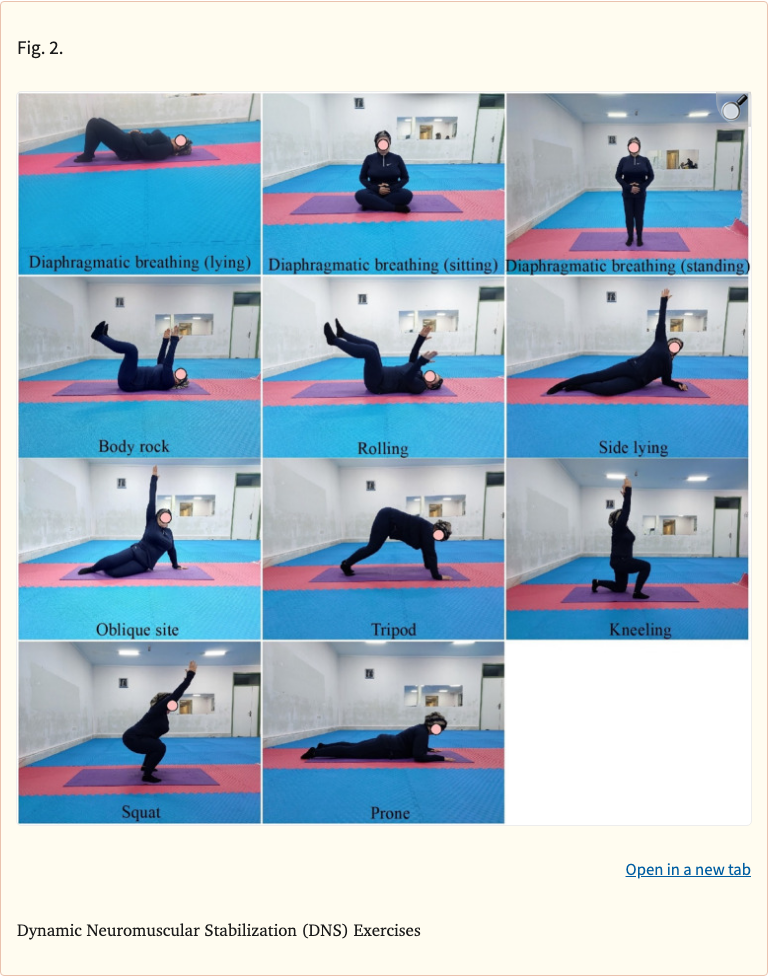 Figure 1
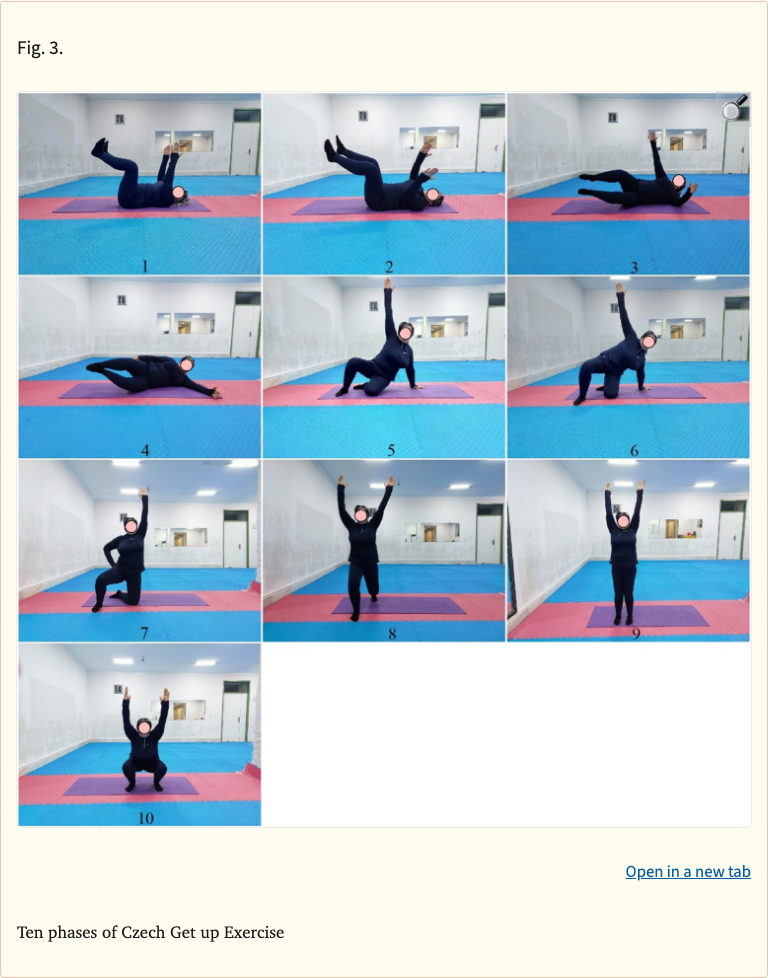 Figure 2
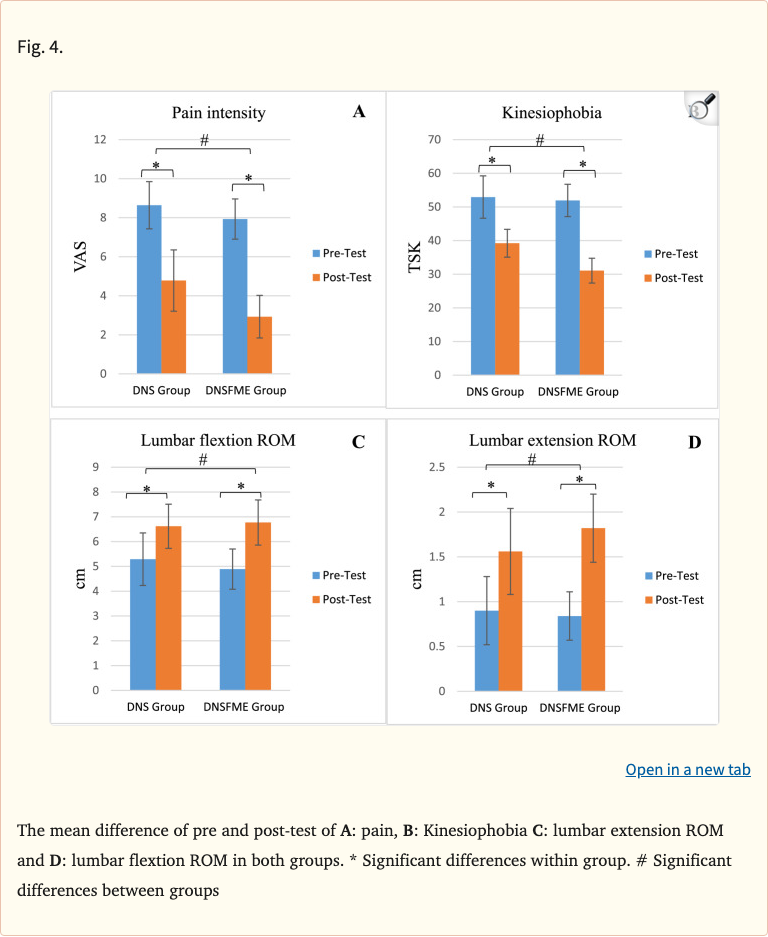 Figure 3