


Bates Method (Vision Training)
Episodes covering bates method (vision training) — protocols, research, and expert discussions.
Eye relaxation and vision training exercises developed by Dr. William Bates, aimed at improving eyesight naturally through relaxation, movement, and mental techniques
The Bates Method is a controversial approach to vision improvement developed by ophthalmologist William Bates in the early 1900s. The core idea: vision problems stem from mental strain and tension, not permanent eye defects, and can be improved through relaxation exercises.
The scientific evidence is weak - mainstream ophthalmology largely rejects the method's theoretical basis and efficacy claims. However, some practitioners report improvements, and the exercises are low-risk. Modern adaptations focus less on "curing" refractive errors and more on reducing eye strain from screens.
Approach with realistic expectations. It won't replace glasses for most people, but may help with eye strain, and the relaxation techniques have value regardless. If you try it, don't abandon corrective lenses for driving or safety-critical tasks.
Science & Mechanisms
Bates' original theory:
- Refractive errors (myopia, hyperopia) caused by tension in extraocular muscles
- "Mental strain" leads to eye strain and poor vision
- Relaxation and specific exercises can reverse these conditions
- The eye can change shape and focusing ability
Scientific consensus:
- Refractive errors primarily caused by eyeball shape and lens properties
- Extraocular muscles control eye movement, not focus
- No quality evidence that exercises change refractive error
- The theory conflicts with established optical science
What might actually help:
- Reducing accommodative spasm (temporary focusing fatigue)
- Relaxing eye muscles reduces strain symptoms
- Blinking and eye movement prevents dryness
- Outdoor time and distance viewing may slow myopia progression in children
- Mental relaxation reduces perceived strain
Limited supporting evidence:
- Some small studies show temporary improvements in visual acuity
- Placebo effects likely significant
- Accommodative flexibility may improve
- Eye strain symptoms often reduce
Why some report improvements:
- Reduced eye fatigue (real but different from fixing refractive error)
- Temporary accommodative changes
- Placebo effect
- Better awareness of visual habits
- Relaxation benefits extend to perception
Effect sizes:
- Refractive error change: Minimal to none in controlled studies
- Eye strain reduction: Anecdotal, potentially moderate
- Subjective vision "clarity": Some report improvement
Episodes
Nathan Oxenfeld shares audio versions of two videos recorded during his trip to Italy, addressing two key topics for natural vision improvement practitioners. The first is a nat...

Nathan Oxenfeld answers frequently asked questions about the Bates Method and natural vision improvement. He covers practical topics like how to use his YouTube videos and onlin...
Dave Asprey hosts a compilation episode featuring vision improvement experts, with Bates Method teacher Claudia Muehlenweg as the primary guest. Claudia explains the three pilla...
Dr. Marc Grossman, a holistic optometrist with 40 years of experience, presents a detailed biography of Dr. William H. Bates, the ophthalmologist who developed the Bates Method ...
Bates Method teacher Esther Joy van der Werf joins the Surviving Healthcare podcast to discuss how corrective lenses can worsen vision over time and how natural vision improveme...

In the second episode of The Naked Eye Podcast, Nathan Oxenfeld introduces the Bates Method and explains how it fundamentally differs from conventional eye exercises. He traces ...
Dave Asprey interviews Bates Method teacher Claudia Muehlenweg about natural vision improvement. Claudia shares her personal story of getting glasses at age 3, finding a book on...
Natural vision improvement coach Carl Vigilante joins host David Sandstrom to discuss the Bates Method. Both men share personal success stories -- David went from 20/70 to 20/20...
In this Interventions with Dave episode, Dave Asprey helps world record powerlifter Mark Bell address his declining eyesight. Mark, in his 40s, noticed sudden difficulty with ne...

Nathan Oxenfeld recaps three back-to-back natural vision events he hosted in New York: the 2024 Association of Vision Educators conference (the first in-person since before the ...
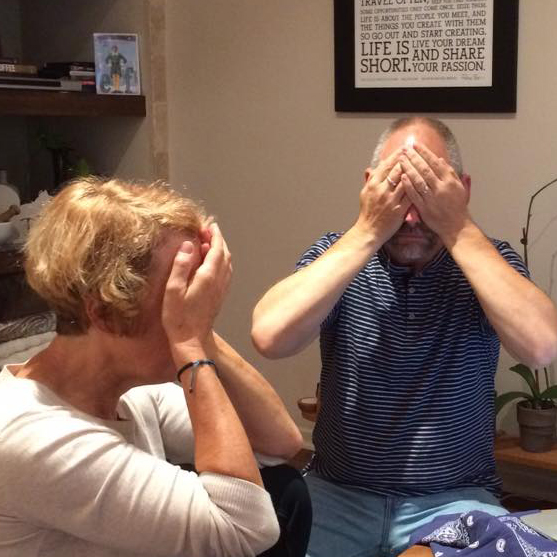
Bates Method teacher Claudia Muehlenweg joins the EatMoveLive52 podcast to discuss natural vision improvement. Claudia shares her personal journey from wearing glasses at age on...

Bates Method instructor Carlos Moreno joins the Wise Traditions podcast to explain how natural vision improvement works. Carlos shares his 22-year journey from wearing glasses a...

Yoga teacher J. Brown interviews Bates Method teacher Nathan Oxenfeld in a deeply personal conversation about natural vision improvement. J. Brown shares his own keratoconus dia...