
SOMA Breath
Rhythmic breathwork protocol combining ancient pranayama with music, using intermittent hypoxic training for stress reduction, cognitive enhancement, and altered states
Bottom Line
SOMA Breath is Ben Greenfield's #1 breathwork recommendation. Created by ex-pharmacist Niraj Naik ("The Renegade Pharmacist"), it combines rhythmic breathing synced to music with breath retention techniques based on Intermittent Hypoxic Training (IHT).
Currently being studied by Cambridge University for effects on brain activity and well-being. Participants report "psychedelic-like" experiences without substances. The underlying mechanisms (CO2 tolerance, intermittent hypoxia) have research support, though SOMA specifically is still building its evidence base.
A structured, accessible breathwork system that produces real physiological effects. More engaging than basic breathing exercises due to music integration. Worth trying if you want a guided approach to advanced breathwork.
Science
Mechanisms:
- Intermittent Hypoxic Training (IHT): Breath holds after exhale create controlled hypoxia
- CO2 tolerance: Builds tolerance to carbon dioxide, improving breathing efficiency
- Rhythmic breathing: 5-6 breaths/min activates parasympathetic nervous system
- Hyperventilation phase: Temporarily alters blood pH, creates tingling/altered states
- Nitric oxide release: Nasal breathing components boost NO production
Intermittent Hypoxia Benefits (Research-Supported):
- Stimulates stem cell mobilization
- Increases red blood cell production (EPO pathway)
- Creates new blood vessels (angiogenesis)
- Enhances spatial learning and memory
- Used by Russian doctors for decades for cardiovascular recovery
Cambridge University Study (Ongoing):
- Largest breathwork brain study ever conducted
- Examining 21 Day Awakening Breath Journey
- Found more complex brain patterns in SOMA practitioners
- "Psychedelic-like" experiences reported without substances
2020 Aging Study (Hyperbaric Oxygen):
- Intermittent oxygen restriction increased telomere length
- Decreased cellular immunosenescence
- Suggests anti-aging potential for controlled hypoxia protocols
Comparison to Other Methods:
- More structured than Wim Hof (music-guided)
- Based on traditional pranayama (Nisshesha Rechaka)
- Combines multiple techniques in progressive system
Limitations:
- SOMA specifically has limited peer-reviewed research
- Mechanisms extrapolated from IHT and pranayama research
- Subjective experiences vary widely
- "Psychedelic-like" claims need more rigorous study
Supporting Studies
4 peer-reviewed studies
View all studies & compare research →Practical Protocol
Basic SOMA Breath Session (20-30 min):
Phase 1: Rhythmic Breathing (10-15 min)
- Breathe in sync with music beats
- Target: 5-6 breaths per minute
- Deep belly breathing through nose
- "Breathing in Beats" technique
Phase 2: Breath Retention (Kumbhaka)
- After exhale, hold breath as long as comfortable
- Creates intermittent hypoxia
- Start with 20-30 seconds, build over time
- Multiple rounds (3-5 typically)
Phase 3: Recovery Breathing
- Return to normal breathing
- Integration and relaxation
- Often combined with visualization
Ben Greenfield's Practice:
- Practices with his sons in sauna 3x/week
- Sometimes extends to 60 minutes for meditation
- Increased breath-hold by 20+ seconds in 11 days
Beginner Protocol:
- Start with guided audio sessions
- Use SOMA Breath app or YouTube
- Begin with 10-15 minute sessions
- Focus on rhythmic breathing first
- Gradually add breath holds
21 Day Awakening Journey:
- Structured daily practice
- Progressive difficulty
- Combines breathwork + visualization
- Cambridge study protocol
Common Mistakes:
- Forcing breath holds too long too fast
- Not syncing with music rhythm
- Practicing while driving or in water
- Ignoring lightheadedness warnings
Risks & Side Effects
Known Risks:
- Lightheadedness/dizziness: Common, especially for beginners
- Tingling sensations: Normal during hyperventilation phases
- Emotional release: Can be intense/overwhelming
- Fainting: Possible if overdone (never practice near water/while driving)
Contraindications:
- Heart conditions: Consult doctor first
- Epilepsy: May trigger seizures
- Severe anxiety/panic disorder: Start very gradually
- Pregnancy: Avoid breath retention phases
- Recent surgery: Wait for clearance
- Glaucoma: Breath holds increase intraocular pressure
Safety Guidelines:
- Always practice seated or lying down
- Never in water, bath, or while driving
- Start with shorter sessions
- Stop if severe discomfort
- Have guidance for first sessions
Risk Level: Low-Moderate (safe with proper guidance, caution with contraindications)
Who It's For
Ideal Candidates:
- Those seeking structured breathwork practice
- People who enjoy music-guided meditation
- Stress and anxiety management
- Biohackers wanting altered states without substances
- Athletes looking for CO2 tolerance training
- Meditators wanting deeper practice
May Benefit:
- Those with mild anxiety or stress
- People curious about breathwork
- Anyone wanting better breathing habits
- Those interested in pranayama traditions
Should Skip or Modify:
- People with heart conditions (consult doctor)
- Those with epilepsy
- Severe anxiety disorders (start very gently)
- Anyone uncomfortable with altered states
- Pregnant women (skip retention phases)
How to Track Results
What to Measure:
- Breath-hold time (baseline and progress)
- Resting heart rate
- HRV (expect improvement)
- Subjective stress levels (1-10)
- Sleep quality
- Session consistency
Tools:
- SOMA Breath app (built-in tracking)
- Breath-hold timer
- HRV monitor (Oura, WHOOP)
- Simple journal
Benchmarks:
| Level | Breath Hold After Exhale |
|---|---|
| Beginner | 15-25 seconds |
| Intermediate | 30-45 seconds |
| Advanced | 60+ seconds |
Timeline:
- Session 1: Notice immediate relaxation/altered state
- Week 1-2: Breath holds improve
- Week 3-4: Stress resilience improves
- 21 days: Full protocol benefits
Signs It's Working:
- Longer comfortable breath holds
- Calmer baseline state
- Better stress response
- Improved sleep
- Deeper meditation experiences
Top Products
Official SOMA Breath:
- SOMA Breath Website - Courses and certification
- SOMA Breath App - Guided sessions
- Mindvalley Breathwork for Life - Niraj Naik's course
Equipment (Optional):
- Good headphones - Music is integral
- Meditation cushion
- Pulse oximeter - Track oxygen levels
Free Resources:
- SOMA Breath YouTube channel
- Niraj Naik's website and podcasts
Cost Breakdown
Free Options:
- YouTube SOMA Breath sessions
- Free intro sessions on website
- Basic app features
Paid Programs:
| Program | Cost |
|---|---|
| SOMA Breath App (premium) | $10-15/month |
| 11-Day BreathFit Challenge | ~$50-100 |
| 21 Day Awakening Journey | ~$200-300 |
| Instructor Certification | $1,500-3,000 |
Mindvalley Quest:
- "Breathwork for Life" course
- Part of Mindvalley subscription
Cost-Per-Benefit:
Start free with YouTube. If you like it, the app or 21-day journey provides structure. Excellent value compared to in-person breathwork classes.
Recommended Reading
- Breath View →
Podcasts

218. Gary Brecka Shares Top Airplane Travel Health Hacks - Move, Breathe, Hydrate
Gary Brecka joins The Ultimate Human with Gary Brecka to discuss gary brecka shares top airplane...
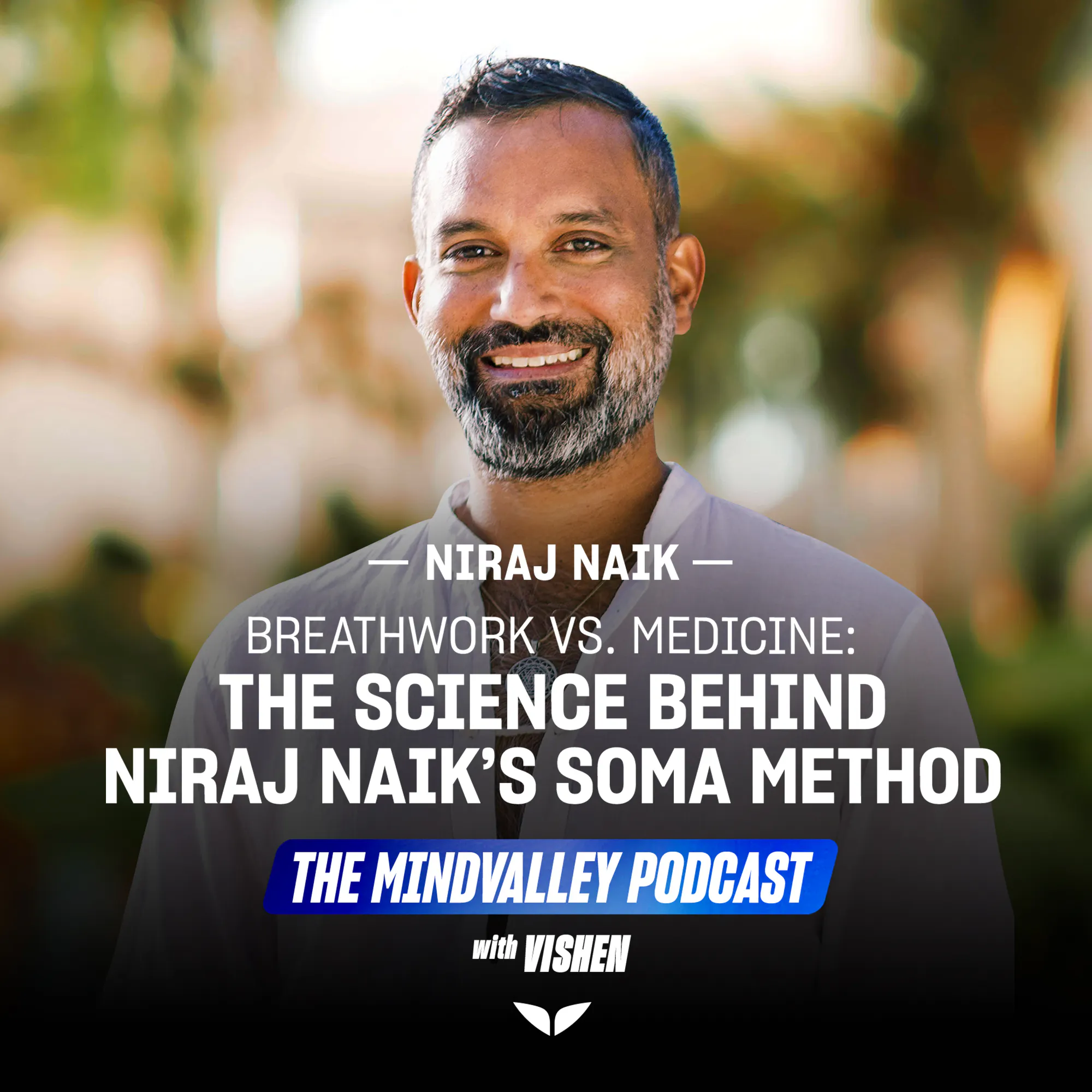
Breathwork vs. Medicine: The Science Behind Niraj Naik’s Soma Breath | Ep65
Niraj Naik explains the science behind his Soma Breath method on The Mindvalley Podcast,...
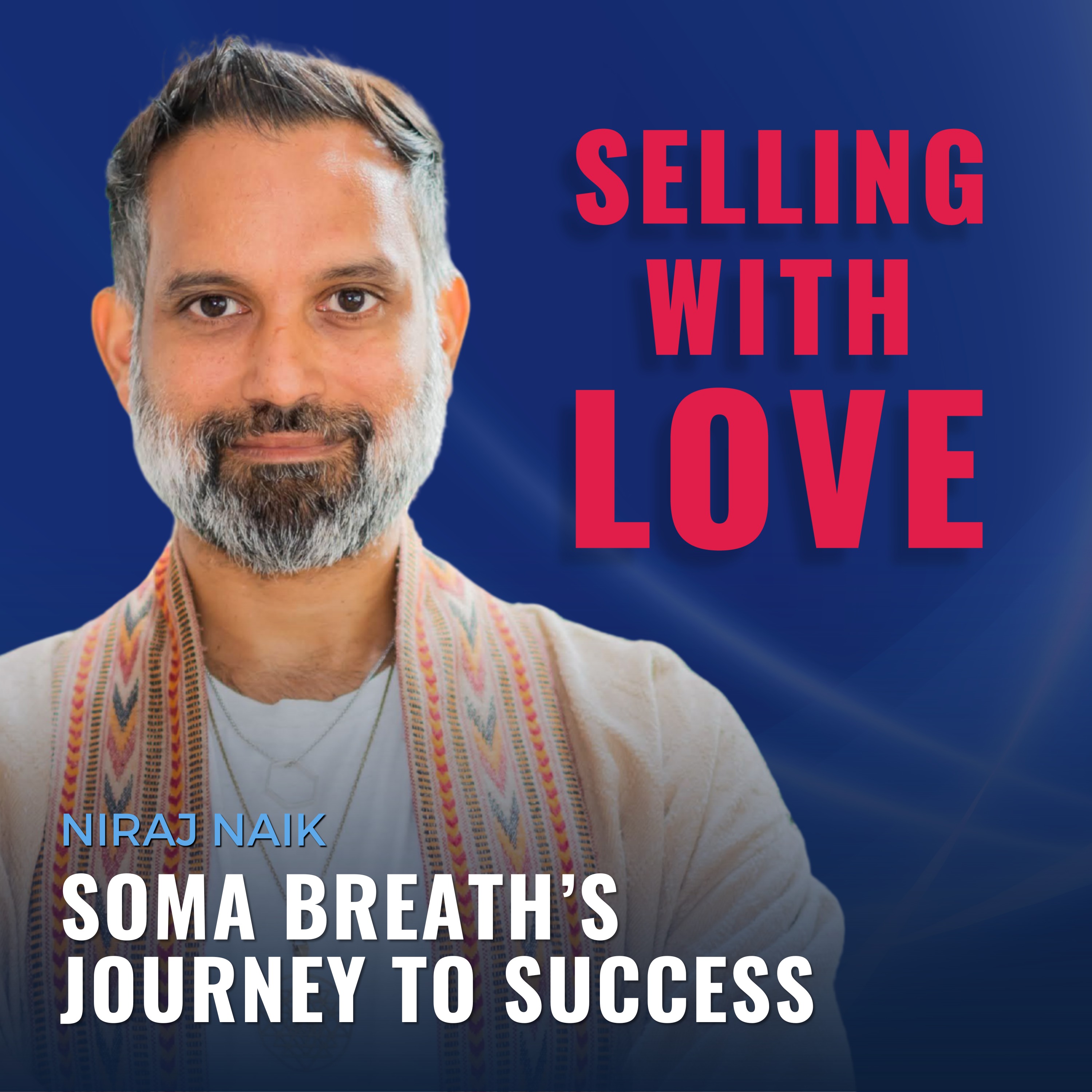
Soma Breath’s Journey to Success - Niraj Naik
Niraj Naik, founder of SOMA Breath and known as "The Renegade Pharmacist," joins Jason Marc...

Efficiency with Breath: Niraj Naik on SOMA Breathing PH289
Dr. Julie Foucher interviews Niraj Naik about SOMA Breath and the science of rhythmic breathing...
Discussed in Podcasts
24 curated moments from top health podcasts. Click any timestamp to play.
From running 2000-person raves to pharmacist to breathwork pioneer
Niraj shares his dramatic fall from running massive raves at university to becoming a pharmacist after a shooting incident shut down his venue, describing the soul-crushing experience of transitioning from performer to pill dispenser.
"complete fall of grace to now being pharmacist in a little cubicle, dishing out pills, wearing a lab coat. I mean, it was kind of a huge shock to the system. So anyway, that carried on for seven years. So yeah, so it was like, what happened was I went into that world and I saw straight away for the first time what it's really like to be working in the healthcare industry."
Pharmacy patients leaving with shopping bags full of drugs
Niraj describes witnessing pharmacy patients leave with shopping bags full of medications that managed but never cured their diseases, with one prescription often leading to four more drugs to handle side effects.
"It's really making people wake up now. And was that kind of what you were feeling in a way? Yeah, I felt intuitively that something was not right with it. And also the amount of prescriptions people are on is just astonishing. People would initially go away with shopping bags full of drugs like every month. And, you know, you'd see people come in with one prescription, right? A few months later, they're on like four."
SOMA Breath instructors as transformational artists
Niraj explains how SOMA Breath instructors are trained as transformational artists who blend music, breathwork guidance, and coaching to create unique healing experiences.
"SOMA Breath is unique in that we combine breathwork with original music composition. Our instructors are trained as transformational artists who blend music, creating their own soundscapes, their guiding sessions, their recording things. They're being entrepreneurial."
Breathwork ceremony induces near-death experience states
Niraj describes leading a breathwork ceremony for 200+ people at the Ascension Conference, where participants experienced profound altered states resembling near-death experiences through breath control alone.
"So that's what I did. I became a I mean, I studied to be a pharmacist, but I on the side built my DJ dream as well. Good for you, and I ended up running like some pretty big raves in the UK for about three years nine when I was nineteen, this is like nineteen ninety eight to about two thousand and two three and we had like a two thousand people rave like every month packed that was every month. So it was an amazing experience. But you can imagine it was Headonistica's help. I was wild, imagine yeah. And I went from a legal drug dealer to legal drug dealer basically in a space of like a few months because I had an amazing business, but it all fell apart, like I just got in with the wrong people and."
From pharmacist to breathwork master through personal crisis
Niraj shares how seven years of depression as a pharmacist, combined with developing ulcerative colitis, became the catalyst for discovering breathwork and creating SOMA Breath.
"Very so when they come to a b thrower to hang out, Yes, absolutely, yeah. So I I had to let go of my disbelief. I had to, like, I had no hope, no other choice, you know that the only hope left was this. So I started to try it as very simple breathing techniques from Primeyama, and it made such a shift instant It was like instant pain relief, like instant stress relief. And I was like, wait a minute, I just did this breathing pattern and it made me feel better than most of the medications I've taken. This is crazy. So within a few months I just went fully down the rabbit hole. I studied as much as I possibly could went really deep into the ivedic world as well. And then what I realized was, so there was this book that came my way called The Power of Your Subconscious Mind by doctor Joseph Murphy. It was a really good book. He's a pharmacist, but he was also a Christian scientist and study like you know, tantra and yoga and all these ancient Eastern philosophies. So he married the two together and he came up this concept of scientific prayers, which is the use of these special mantras that you use, like my favorite affirmation is you are I am whole, perfect, strong, loving, harmonious and happy to say that over and over again in a translate state, and like magic happens, right. So I started to get really into the power of this conscious mind. And I realized that with the breath, with certain rhythms, right, you can create into very the trance states. And then I realized that music can be an amazing tool to facilitate the whole process."
Shifting from scarcity mindset to abundance through breathwork
Niraj discusses how breathwork helps shift limiting beliefs about scarcity, safety, and isolation, opening the practitioner to see the world as full of opportunity, love, and inspiration.
"You know. I used to see the world as hostile, no god like, atheist, like everything's out to get me. I'm on my own, like you know, and there's no hope. Money is bad. I had all these beliefs, this BS system, and I just think when you shift that and you start to see the world with opportunity, love, incredible people, inspiration, and there's a universe that wants you to be happy and healthy and succeed. And when you if you can shift those is the world becomes a phenomenally beautiful, incredible, exciting adventure. And that's why I hope to pass on to everybody."
The reptilian brain creates default anxiety through over-breathing
Niraj explains how the reptilian brain's survival focus keeps the sympathetic nervous system dominant, causing most people to have an underlying anxiety and breathe faster than necessary.
"than others, right? And this is all down to your early childhood imprints and many other things like that. So the reptilian brain, which deals with automatic breathing, because it can be triggered quite easily and it can be on high alert, it means we tend to have a sympathetic dominance, which means that our sympathetic nervous system is more dominant than"
Animal longevity correlates with breathing rate and breath-hold capacity
Niraj draws on the longevity patterns of animals to illustrate how breathing rate and breath-hold capacity relate to lifespan, from bowhead whales living 200+ years to the disease-free naked mole rat.
"Animals that live a very long time, elephants and turtles, they have very slow breathing patterns. But they also, if you look at the whale, for example, the whale can hold its breath for two hours at a time, the bowhead whale, and lives 200 years plus. Now, if you look at the opposite end of the spectrum, the animals that don't live a long time, like rats and mice, they live like one year or two years max."
Rhythmic breathing restores autonomic nervous system balance
Niraj explains how breathing in a perfectly aligned rhythm balances the sympathetic and parasympathetic nervous systems, connecting to the body's natural biorhythms including circadian and ultradian cycles.
"So, when you breathe in a perfect aligned rhythm, you actually create balancing of sympathetic parasites in the nervous system. So, it creates more of a harmony. And every single function in your body is rhythmic in nature. So, we have biorhythms, circadian rhythm, menstrual cycle. So, the ultradium, infradium, circadian rhythms, right? They're all the biofunctions of life, biorhythms of life. So, with just a few minutes of rhythmic breathing a day, we can restore balance to this."
Three pillars of health according to Niraj
Niraj shares his three essential pillars for a healthy life: breath control, a loving supportive partner, and work that gives value to the world, warning that misalignment in any area will eventually create disease.
"And so you need to, you know, channel the God of enthusiasm every day to a loving partner, like a supportive, loving partner who is with you no matter what is paramount to health. If you have a partner that doesn't support you, that is always."
Intermittent hypoxic training and its clinical applications
Niraj explains intermittent hypoxic training (IHT/IHHT), a clinical therapy that simulates high altitude by breathing low oxygen, which produces more red blood cells, better capillarization, and increased blood flow to the brain.
"But you're breathing very low oxygen. And what it does is it simulates going up to high altitude. What they found was that people go to high altitude and come back down, they feel benefits, they feel better. This is because they're holding their breath for a short period of time. It's like holding their breath for a short period of time. It's like lowering the oxygen."
The naked mole rat anomaly and disease-free longevity
Niraj explains how naked mole rats live 30 years disease-free due to their adaptation to low-oxygen underground environments, providing a biological model for the benefits of intermittent hypoxia training.
"Okay, now there's a weird, strange anomaly to this, and that is the naked mole rat. Naked mole rats are rats, but what makes them different is that they live up to 30 years, pretty much free of disease. And the unique thing with them is that they live primarily underground in a hypoxic, which is a low-oxygen environment, and they can hold their breath for."
Who to Follow
Creator:
- Niraj Naik - "The Renegade Pharmacist," ex-pharmacist who healed ulcerative colitis with breathwork
Advocates:
- Ben Greenfield - Calls it his #1 breathwork technique
- Marisa Peer - Hypnotherapist, endorses SOMA
- Mindvalley - Features SOMA in their platform
Research:
- Cambridge University neuroscience team (ongoing study)
Synergies & Conflicts
Pairs Well With:
- Sauna - Ben Greenfield's combo (breathwork in sauna)
- Cold exposure - Breath control helps with cold
- Meditation - Enhances meditative depth
- CO2 Tolerance Training - Similar mechanisms
Best Timing:
- Morning: Energizing sessions
- Pre-meditation: Deepens practice
- Evening: Relaxation-focused sessions
- In sauna: Ben's preferred method
Progression:
- Start with basic rhythmic breathing
- Add breath holds gradually
- Progress to 21-day journey
- Combine with other practices (sauna, meditation)
Avoid:
- Before driving or swimming
- When overtired (may fall asleep)
- Immediately after large meals
What People Say
Notable Endorsements:
Reach:
User Reports:
Origin Story:
Niraj Naik was housebound with ulcerative colitis, facing colon removal surgery. He used breathwork + meditation to heal, avoiding surgery entirely. This led him to create SOMA Breath.
Criticisms: