Key Takeaway
UK Biobank study of 78,500 adults found that 10,000 steps/day was associated with 53% lower all-cause mortality, 65% lower cancer mortality, and 73% lower cardiovascular mortality compared to 2,000 steps/day.
Summary
This large prospective cohort study used accelerometer data from 78,500 UK Biobank participants (ages 40-79) followed for a median of 7 years to examine how daily step count and stepping intensity relate to cancer, cardiovascular disease, and all-cause mortality.
The study found strong dose-response associations between daily steps and all three outcomes. Compared with 2,000 steps/day, walking 10,000 steps was associated with dramatically lower risks: 53% lower all-cause mortality, 65% lower cancer mortality, and 73% lower cardiovascular mortality. The relationship was nonlinear, with the steepest risk reductions occurring between 2,000 and 7,000 steps.
Notably, the study also examined stepping intensity (peak 30-minute cadence) and found that higher-intensity stepping provided additional benefits beyond total step count. This suggests that both volume and intensity of walking matter, though volume appears to be the stronger predictor.
Methods
- Prospective cohort from UK Biobank (2013-2015 enrollment)
- 78,500 adults aged 40-79 with valid accelerometer data
- Steps measured by wrist-worn accelerometer over 7 days
- Median follow-up of 7 years
- Outcomes: incident cancer, incident CVD, all-cause mortality
- Step intensity measured via peak 30-minute cadence
- Adjusted for age, sex, ethnicity, education, BMI, smoking, diet, alcohol, sleep, and comorbidities
Key Results
- 10,000 steps/day vs. 2,000: 53% lower all-cause mortality
- 10,000 steps/day vs. 2,000: 65% lower cancer mortality
- 10,000 steps/day vs. 2,000: 73% lower cardiovascular mortality
- Optimal dose for all-cause mortality: ~9,800 steps/day
- Optimal dose for cancer incidence: ~7,000 steps/day
- Higher stepping intensity associated with additional benefits beyond volume
- Dose-response was nonlinear with steepest drops at lower step counts
Figures
Limitations
- UK Biobank participants are healthier than general population
- Single 7-day accelerometer measurement period
- Wrist-worn accelerometer may be less accurate than hip-worn for step counting
- Predominantly white British cohort (limited generalizability)
- Residual confounding possible despite extensive adjustment
Related Interventions
Related Studies
More by Del
Discussed In

Essentials: Tools to Boost Attention & Memory | Dr. Wendy Suzuki
Huberman Lab
Improve Your Lymphatic System for Overall Health & Appearance
Huberman Lab
How to Make Yourself Unbreakable | DJ Shipley
Huberman Lab
Transform Your Metabolic Health & Longevity by Knowing Your Unique Biology | Dr. Michael Snyder
Huberman Lab
Essentials: Effects of Fasting & Time Restricted Eating on Fat Loss & Health
Huberman Lab

5 daily habits of people who live longer
ZOE Science & Nutrition
How to Grow From Doing Hard Things | Michael Easter
Huberman Lab

Optimizing Daily Habits: Snacking, Movement, Light Exposure, and More Wellness Hacks LIFE Network: RAW Podcast #3
Ben Greenfield Life
How Long Can Humans Really Live… (with Dan Buettner) : 1393
The Human Upgrade
Transform Your Mental Health With Diet & Lifestyle | Dr. Chris Palmer
Huberman Lab
Transform Your Health by Improving Metabolism, Hormone & Blood Sugar Regulation | Dr. Casey Means
Huberman Lab
Overcoming Physical & Emotional Challenges | Coleman Ruiz
Huberman Lab
How to Enhance Focus and Improve Productivity | Dr. Cal Newport
Huberman Lab
How to Build Immense Inner Strength | David Goggins
Huberman Lab
How to Use Exercise to Improve Your Brain’s Health, Longevity & Performance
Huberman Lab

Episode 424: How Daily Walking Can Transform your Health
Naturally Nourished
The daily step count that cuts inflammation in half | Prof. Janet Lord
ZOE Science & Nutrition
TMHS 255: Reduce Body Fat & Increase Your Lifespan: The Surprising Benefits Of Walking
The Model Health Show

Brand New Research on The Radical Benefits of Walking for Lowering Cholesterol, Body Fat, and Glucose, and Improving Your Mental Clarity with Greg Mushen
Dhru Purohit Show

Step by Step: Unlocking the Power of Walking with Ethan Suplee
American Glutton

The Science Of Walking: The Benefits Of Walking In Nature, Walking Meetings, And Walking Meditation | Dacher Keltner
10% Happier with Dan Harris

Neuroscientist Reveals the Insane Benefits of Walking Everyday for Brain Health and Longevity with Shane O'Mara
Dhru Purohit Show

Born to Carry — How to Build Strength, Stamina, and Sanity Through Rucking
The Art of Manliness

Rucking for Women
Fuel Your Strength

Ep. #718: Here’s Why You Should Start Rucking (Especially If You Hate Cardio)
Muscle for Life with Mike Matthews
The Benefits of Rucking for Women w/ Michael Easter
Fuel Your Strength

Get Rucking
The Art of Manliness

#292 ‒ Rucking: benefits, gear, FAQs, and the journey from Special Forces to founding GORUCK | Jason McCarthy
The Peter Attia Drive
#713 Rage Rucking
Juicebox Podcast: Type 1 Diabetes

#314: Building Better Citizens Through Rucking
The Art of Manliness

Body of Health PODCAST 02 Rebounding
Tell Me Your Story

Rebounding vs Walking for Weight Loss | What Actually Works After 40 - 1272
The Chalene Show | Diet, Fitness & Life Balance

Walks, Hikes, and Loaded Carries
Autonomy by GMB Fitness

Ep. #896: Kyle Hunt on Underrated Exercises You Should Be Doing
Muscle for Life with Mike Matthews

Sled Training Benefits
Jeremy Scott Fitness

Menopause Weight Loss made simple | Does the 30 30 30 Rule actually work?
Golden Tails and Trails | Canicross Running and Weight loss for women | Lose weight, get fit and stay motivated through running and canicross with your dog

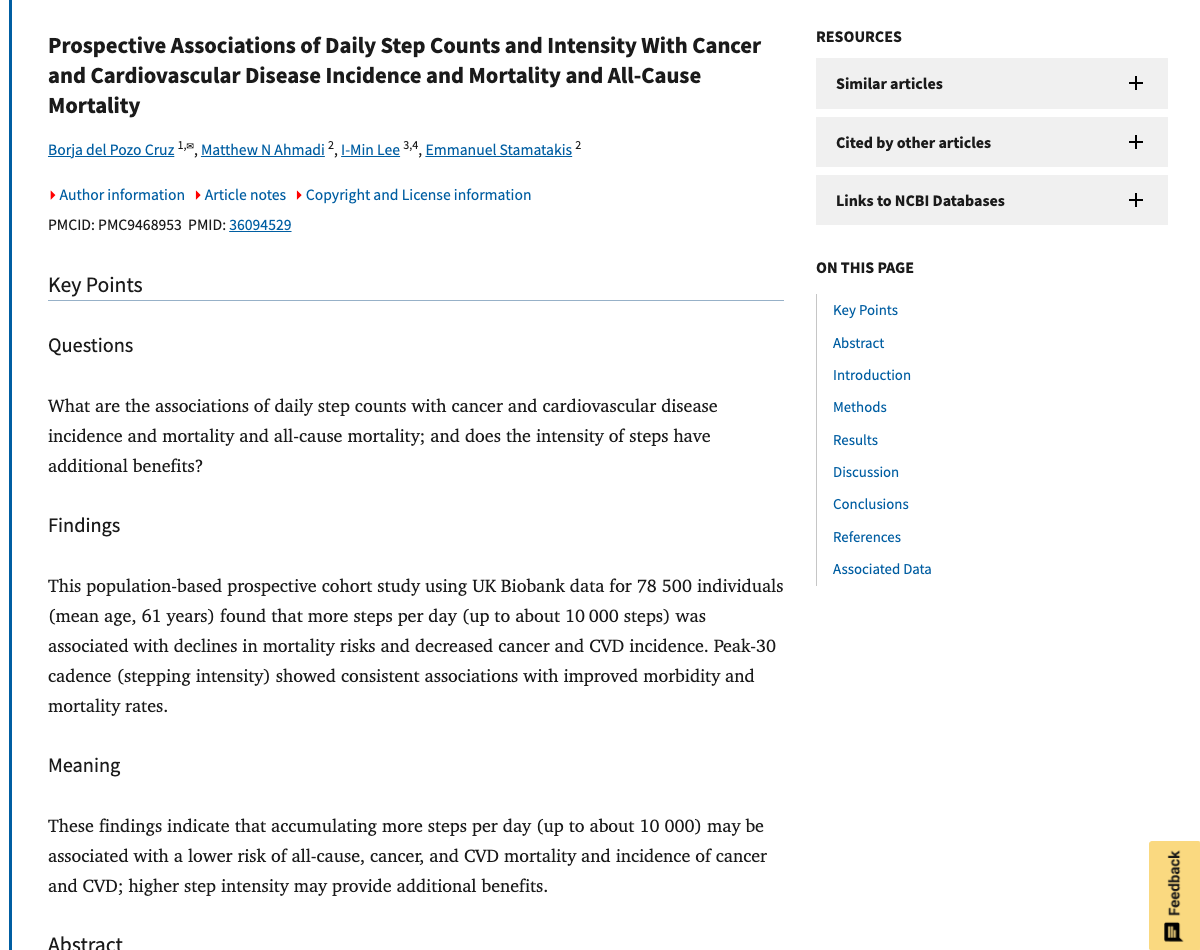
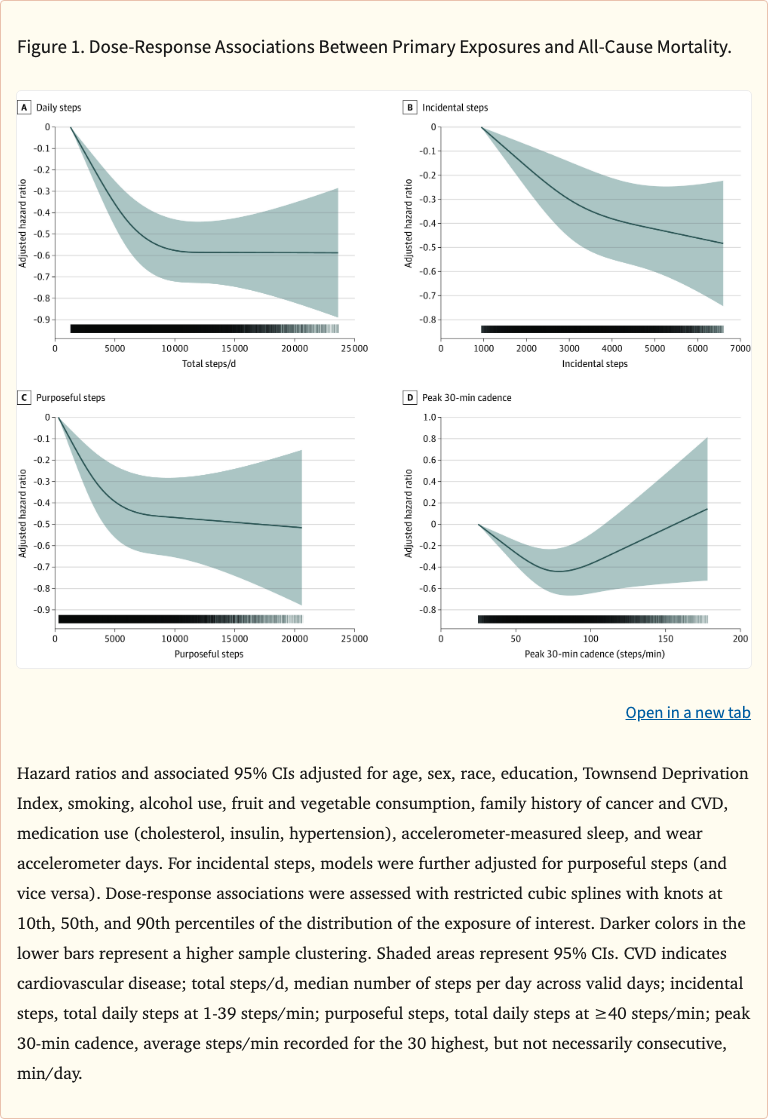 Figure 1
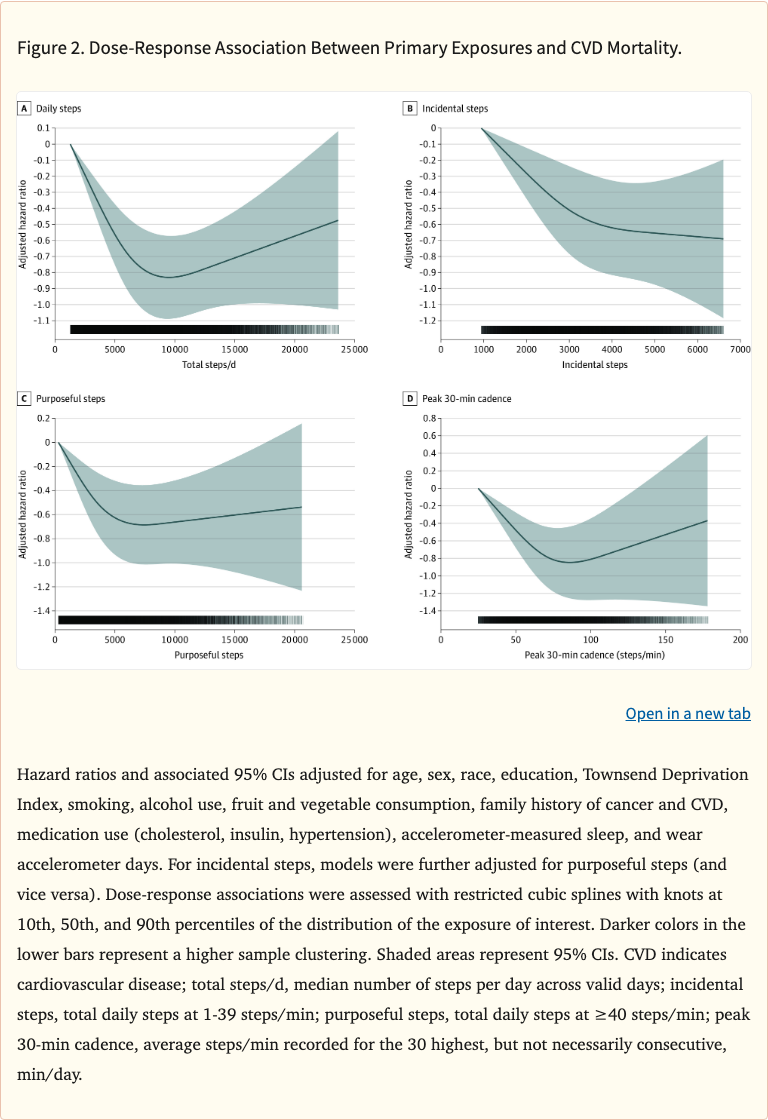 Figure 2
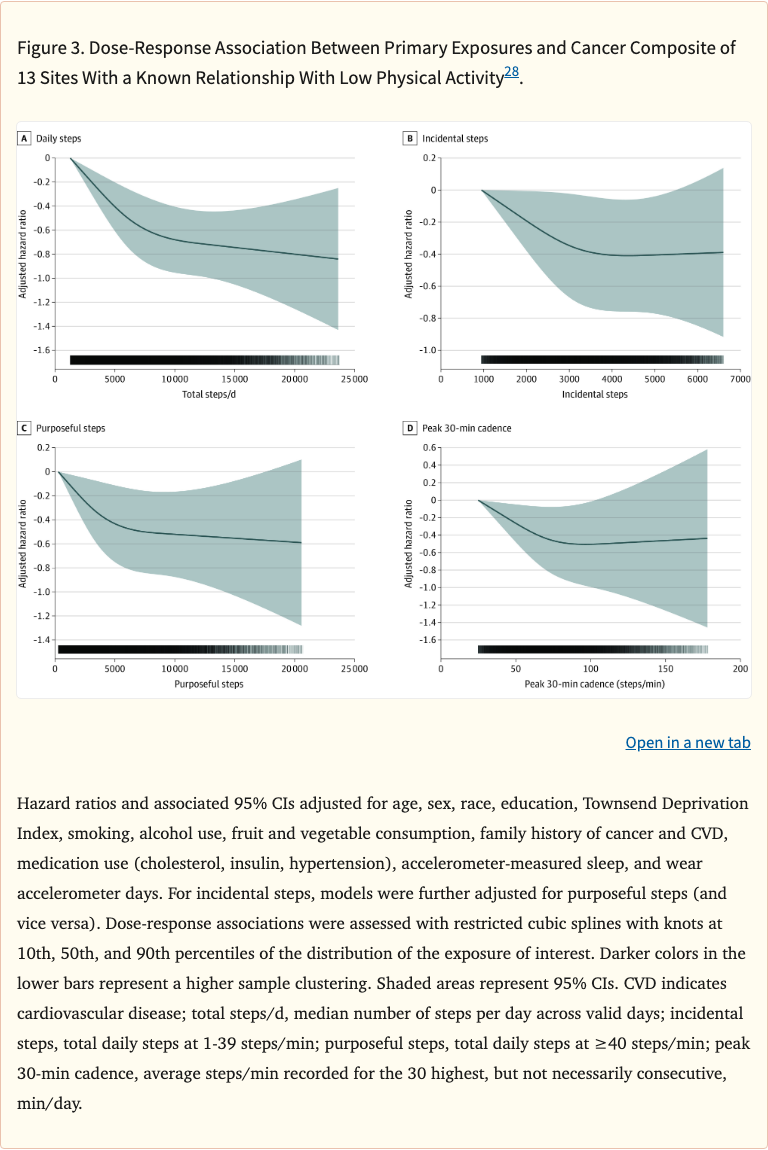 Figure 3