Key Takeaway
Foundational study demonstrating that endurance training doubles mitochondrial content in skeletal muscle, establishing the basis for Zone 2 benefits.
Summary
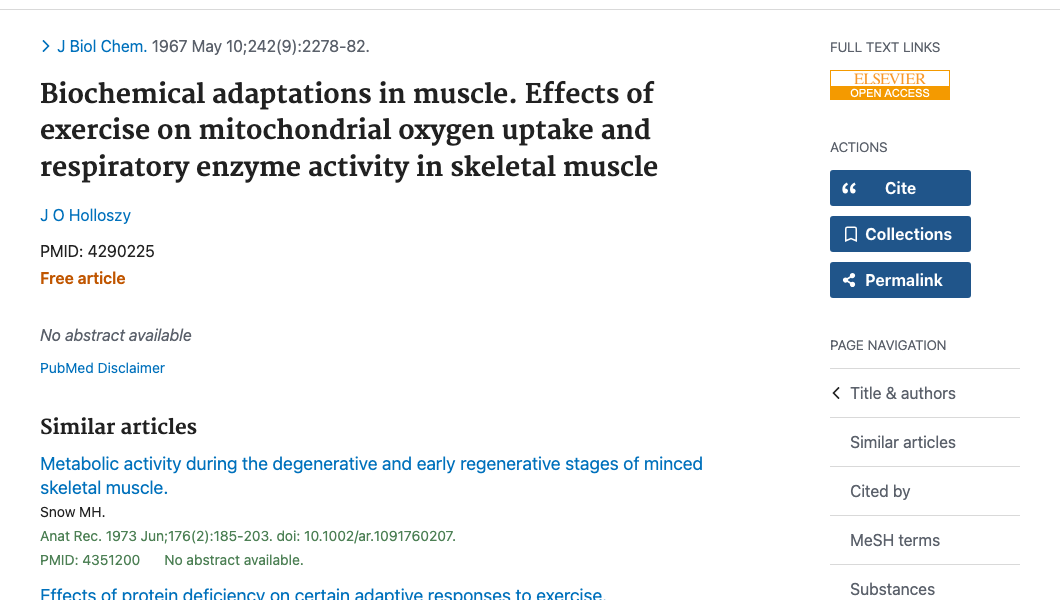
John Holloszy's landmark 1967 study was the first to demonstrate that endurance exercise training leads to dramatic increases in skeletal muscle mitochondrial content and respiratory enzyme activity.
This foundational research established that muscles adapt to endurance training by increasing their oxidative capacity - the ability to use oxygen to produce energy. This adaptation is now understood to be the primary mechanism behind Zone 2 training benefits.
The study launched decades of research into exercise-induced mitochondrial biogenesis and remains one of the most cited papers in exercise physiology.
Methods
- Rats trained with treadmill running program
- Progressive training over several months
- Muscle samples analyzed for mitochondrial enzymes
- Comparison with sedentary controls
Key Results
- Approximately 2-fold increase in mitochondrial enzymes
- Increased capacity for fatty acid oxidation
- Enhanced respiratory chain function
- Adaptations occurred in trained muscles only
Limitations
- Animal study (rats)
- May not directly translate to human training protocols
- Historical methodology limitations
- Training intensity not precisely controlled
Related Interventions
Related Studies
Discussed In