

No Hang Finger Strength Protocol
Episodes covering no hang finger strength protocol — protocols, research, and expert discussions.
Finger strength training using a loading device while seated, allowing precise control of load without the risks of traditional hangboard training
Evidence-Based Take:
No Hang training is a legitimate, research-backed method for developing finger strength. Developed and studied by Eva Lopez, it allows precise loading of finger flexors without the injury risks of hanging. Well-established in the climbing community.
What the Evidence Shows:
- Finger strength gains: Yes, comparable to hangboard training
- Injury risk: Lower than traditional hanging
- Load precision: Excellent, measurable in kg
- Specificity: Trains finger flexors effectively
- Research base: Several studies, primarily from climbing science
Honest Assessment:
This is one of the more evidence-based training protocols in the grip/climbing world. Eva Lopez's research provides solid foundation. It's safer than hangboarding, allows precise progressive overload, and can be done anywhere. Excellent for climbers and anyone wanting grip strength.
Science & Mechanisms
How It Works:
2024 Breakthrough - Abrahangs Study:
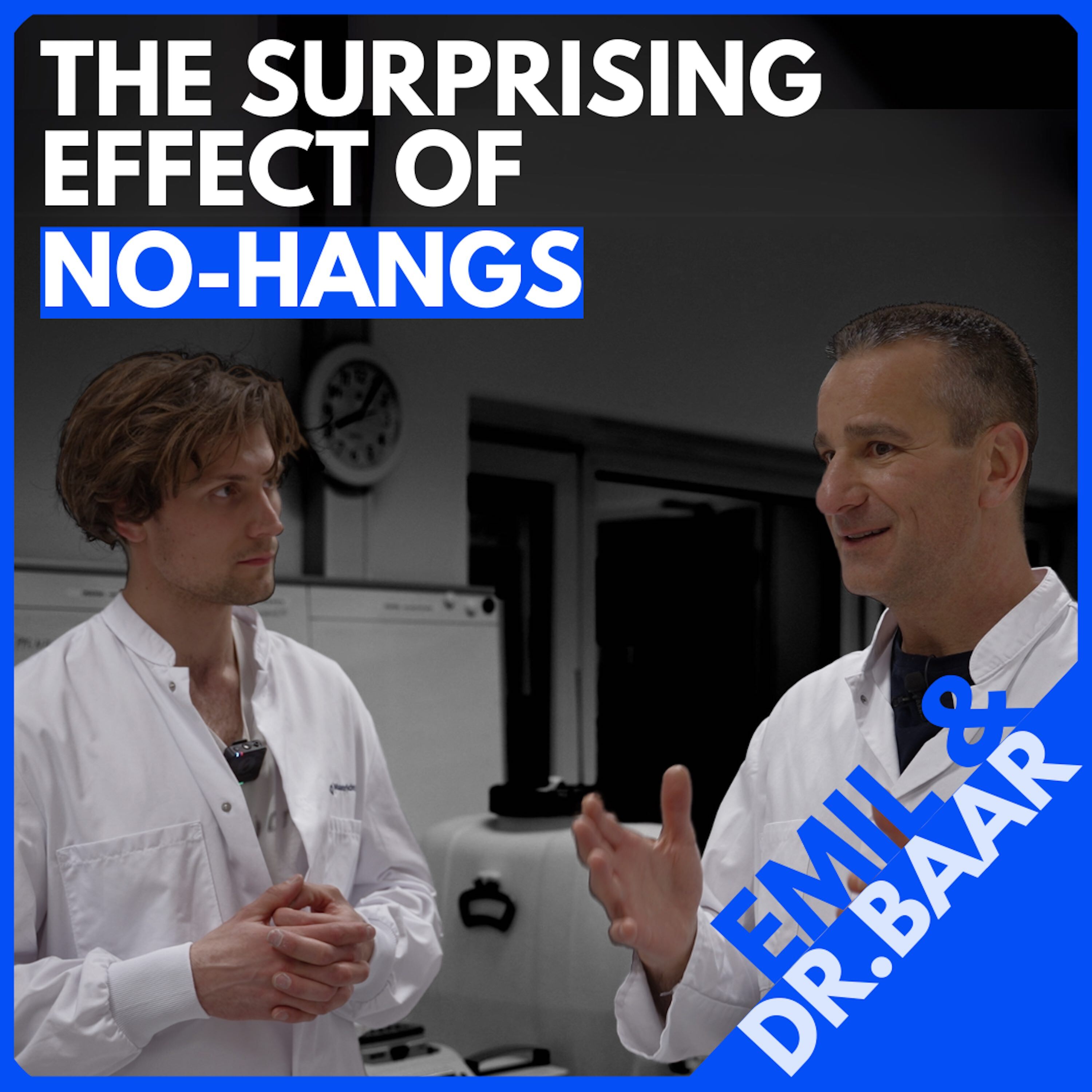
Emil Abrahamsson (Swedish pro climber) and Dr. Keith Baar (UC Davis collagen researcher) published a landmark study in November 2024 showing: - Submaximal "Abrahangs" protocol produced strength gains equivalent to max hangs - Combining both protocols showed additive effects - Based on Baar's collagen/tendon synthesis research - Gelatin + vitamin C before training may enhance adaptations
The Abrahangs Protocol:
- 10 seconds on, 50 seconds off
- 10 rounds (10 minutes total)
- Submaximal load (~70% max)
- Can be done on hangboard OR No Hang device
The Problem with Traditional Hangboards:
Traditional hangboard training requires hanging from edges: - Body weight is the minimum load - Hard to reduce load for beginners/injured - Fall risk if grip fails - Shoulder/elbow stress from hanging - Difficult to isolate fingers
The No Hang Solution:
A device (block/pinch device) sits on your lap or on weight. You pull up against it: - Load = weight on device (fully adjustable) - No falling risk - No shoulder/elbow hanging stress - Can train while seated - Precise progressive overload
Muscle Physiology:
Finger strength comes from forearm muscles: - Flexor digitorum profundus (FDP) - deep finger flexor - Flexor digitorum superficialis (FDS) - superficial flexor - Isometric training at specific angles builds strength
Eva Lopez Research:
Spanish climbing researcher Eva Lopez developed and studied this method: - Compared to traditional hangboard training - Found equivalent or superior strength gains - Lower injury rates - Better load control for periodization
Why Isometric Training Works:
- Finger flexors respond well to isometric loading
- 7-10 second hangs optimal for strength
- Longer holds for endurance
- Angle-specific strength gains
Episodes
Emil Abrahamsson and Dr. Keith Baar discuss the groundbreaking no-hang finger strength study that analyzed hundreds of thousands of data points from the Crimped app. Emil's orig...
This climbing-focused episode covers the science and practice of building finger strength for rock climbing. The discussion includes no-hang protocols, hangboard training, and t...
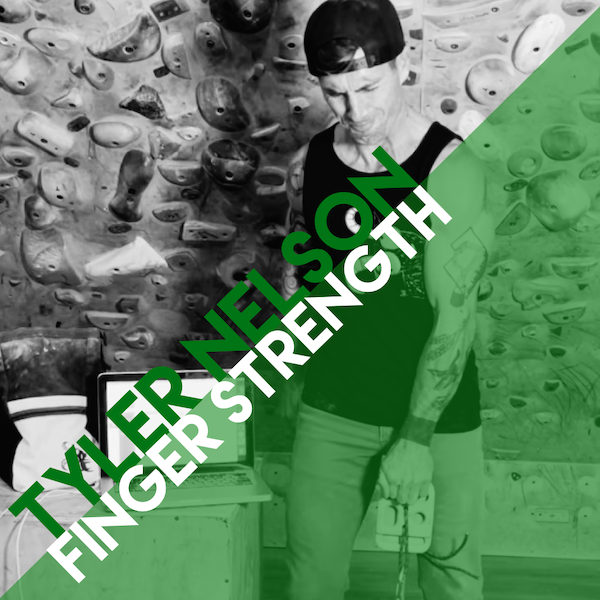
Dr. Tyler Nelson discusses the science of finger strength training for climbing. Nelson, a leading researcher in climbing physiology, covers the biomechanics of finger flexor lo...
Breaking Beta compares different finger strength protocols for climbing endurance, evaluating intermittent and continuous loading strategies. The episode examines which training...