Summary
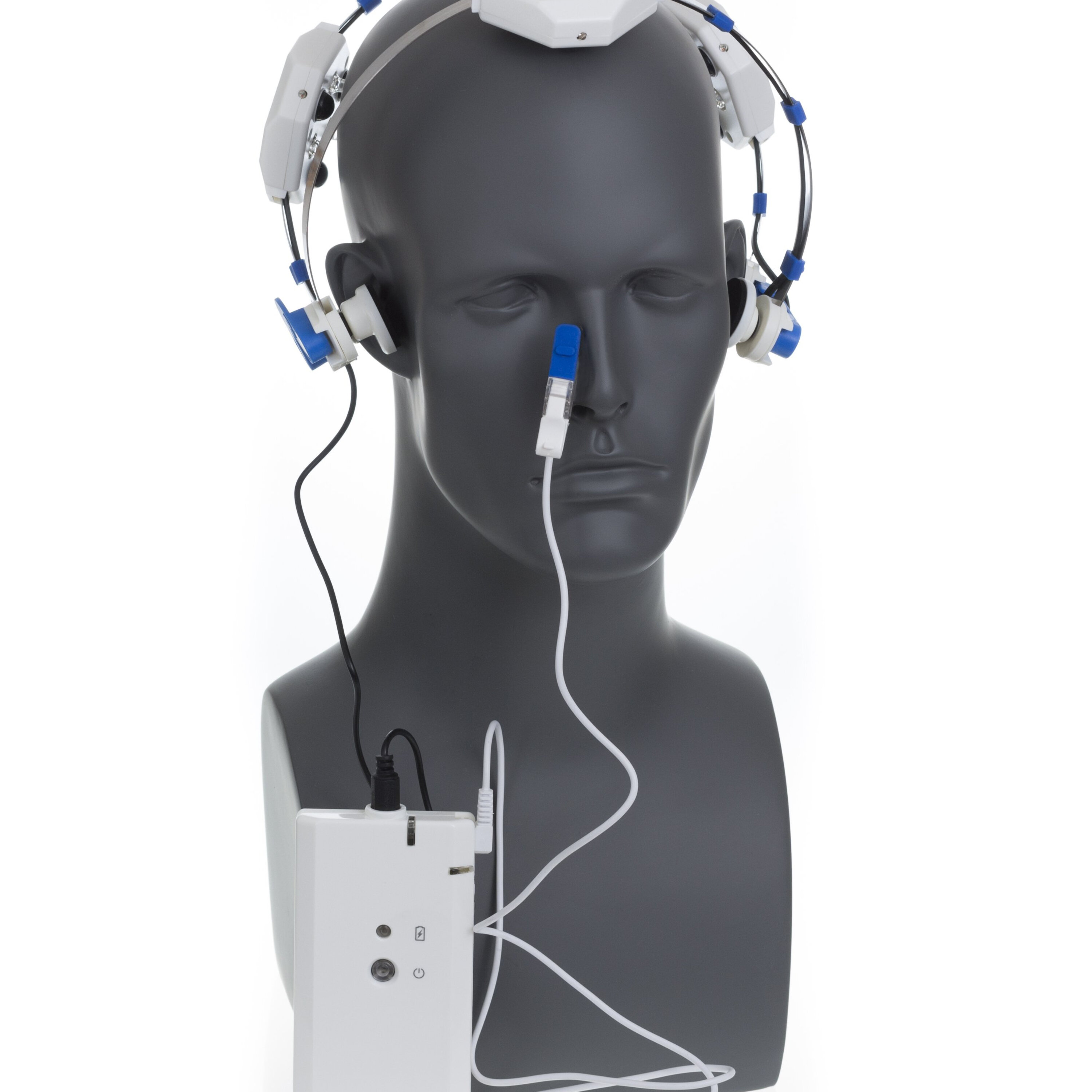
Sarah Kleiner interviews Peter Adams, VP of Business Development at VieLight, about how intranasal and transcranial red light therapy is being used for neurodegenerative diseases, traumatic brain injuries, and immune system support. Adams describes the origins of VieLight's technology, starting from Russian and Chinese research on blood bioinfusion and Dr. Lew Lim's development of the first intranasal device. He explains how the 633nm red light disaggregates platelets, improves blood viscosity, and increases microcirculation, while also penetrating through the soft palate to reach the brain. The conversation covers VieLight's Health Canada-approved COVID treatment device (X Plus), which combines near-infrared thymus stimulation with intranasal red light. Adams shares case studies from professional athletes using the device for concussion recovery and sleep improvement, and discusses ongoing Parkinson's research showing patients able to reduce medication after consistent photobiomodulation use. He also touches on the growing body of evidence linking gamma frequency stimulation to reduced Alzheimer's biomarkers.
Key Points
- VieLight's 633nm intranasal device disaggregates platelets, improves blood viscosity, increases microcirculation, and boosts nitric oxide production
- The red light penetrates through the soft palate into the brain, providing both circulatory and neurological benefits from a single nasal applicator
- VieLight's X Plus device combining thymus near-infrared and intranasal red light was approved by Health Canada for coronavirus treatment after a 280-patient clinical trial
- Elite athletes use intranasal light therapy for post-game recovery and sleep onset, with one swimmer reporting reduced heart rate from 200 to 170 BPM during competition
- Parkinson's patients in clinical studies showed ability to reduce medication dosages after consistent photobiomodulation treatment
- Gamma frequency (40 Hz) transcranial stimulation shows promise for reducing Alzheimer's biomarkers including beta-amyloid and tau proteins
- Users report improved cognitive clarity even after poor sleep when using intranasal light therapy, particularly when combined with methylene blue
- The technology originated from Russian and Chinese research on intravenous blood irradiation, adapted by Dr. Lew Lim into a non-invasive nasal device
Key Moments
How 633nm intranasal light disaggregates platelets and improves circulation
Peter Adams explains that the 633nm red light changes blood viscosity by disaggregating clumped platelets, improving microcirculation and boosting nitric oxide and ATP production for immune system support.
"It actually changes the viscosity of the blood and it disaggregates the platelets, i.e. the platelets are the little hemoglobin platelets that are responsible for carrying energy, getting rid of toxins, absorbing nutrients, etc. When you get sick, they tend to clump together."
Elite swimmer uses intranasal light therapy to lower heart rate during competition
Peter Adams describes how competitive swimmer Sifiwe Balika used intranasal light therapy before his 50-yard dash, keeping his heart rate at 170 instead of the usual 200 and shaving half a second off his time, which is massive in competitive swimming.
"Normally it would be in the 200 range, but he kept it down at 170 and shaved half a second, which is absolutely massive in swimming."
VieLight's COVID clinical trial leads to Health Canada approval
Adams describes VieLight's clinical trial using the X Plus device on 280 COVID patients, showing accelerated recovery and leading to the first Health Canada approval of a photobiomodulation device for coronavirus treatment.
"for coronaviruses and SARS-related viruses as a medical device. It's actually the first time in the world that photobiomodulation has been approved for that kind of medical treatment. Now, obviously, it took us a long time to do it. It's late in the game, but we are excited about it because it really demonstrates, again, the immune-boosting function."