



Intranasal Light Therapy
Episodes covering intranasal light therapy — protocols, research, and expert discussions.
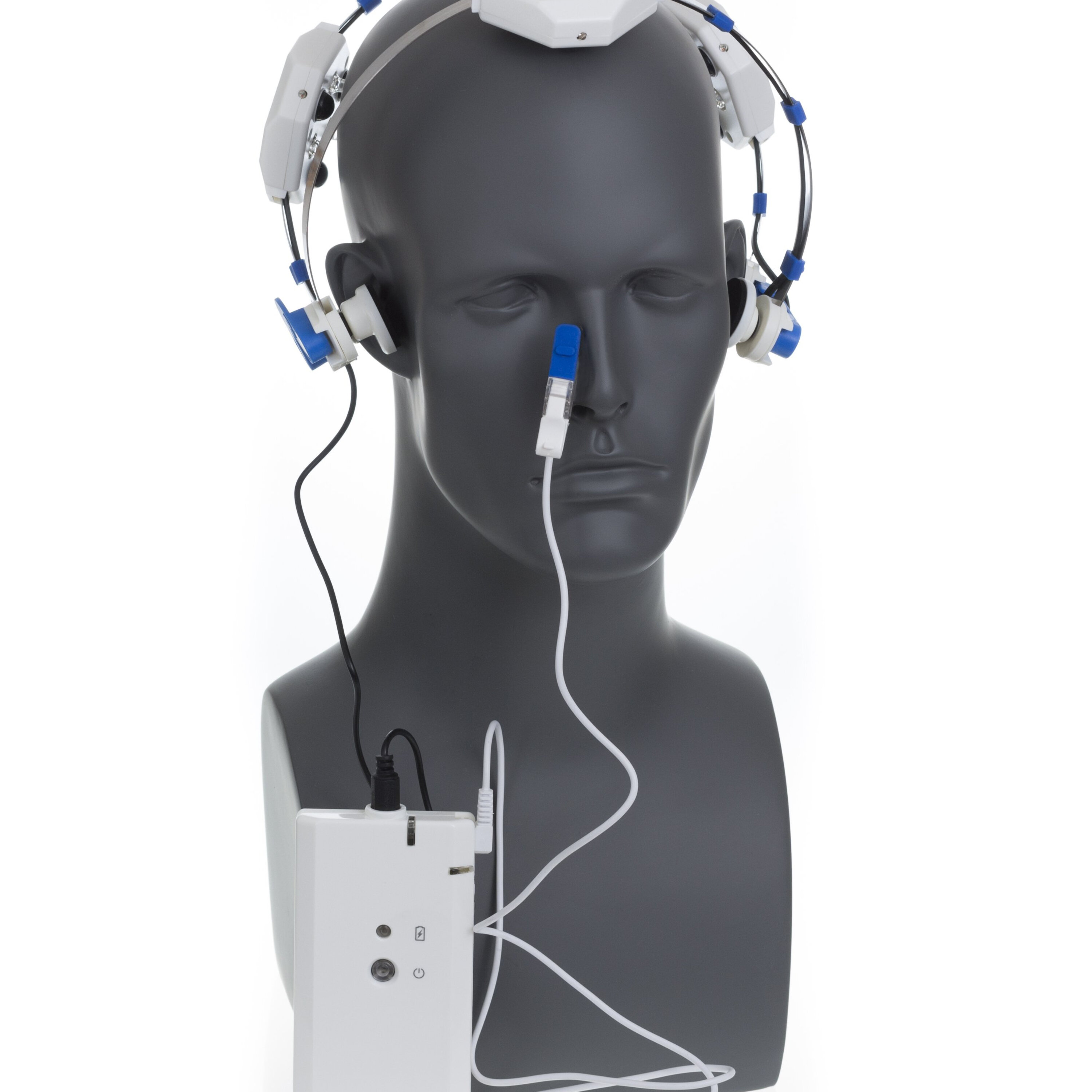
Delivering red or near-infrared light through the nasal cavity to target the brain, blood, and sinuses for cognitive enhancement and systemic benefits
Intranasal light therapy is a targeted form of photobiomodulation that delivers light through the nose, where thin tissue and rich blood supply allow penetration to the brain and systemic circulation. Early research shows promise for cognitive function, mood, and sleep quality, but evidence is still limited compared to transcranial or panel-based red light therapy.
An interesting addition to a biohacking stack, especially for cognitive focus. Devices are relatively affordable and the intervention is low-risk. Consider it experimental but promising - the mechanism is sound even if large-scale trials are lacking.
Science & Mechanisms
Mechanisms:
- Red/NIR light (633-810nm) penetrates nasal mucosa
- Reaches prefrontal cortex and limbic structures via cribriform plate
- Irradiates blood passing through nasal capillaries (systemic effect)
- Absorbed by cytochrome c oxidase, enhancing mitochondrial ATP production
- May improve cerebral blood flow
- Potential anti-inflammatory effects on sinuses
Why intranasal delivery:
- Nasal tissue is thin (0.5-2mm) with minimal barrier
- Rich capillary bed for blood irradiation
- Direct pathway to brain via olfactory bulb region
- Complements transcranial approaches (different target areas)
Key research:
- Pilot studies show improved cognitive function in dementia patients
- Enhanced memory and attention in healthy adults (small studies)
- Improved sleep quality in some trials
- Blood viscosity and flow improvements observed
Effect sizes:
- Cognitive enhancement: Small (more research needed)
- Sleep improvement: Small to moderate
- Mood enhancement: Preliminary positive signals
- Systemic blood effects: Under investigation
Limitations:
- Most studies are small or pilot-scale
- Optimal parameters (wavelength, power, duration) not established
- Mechanism of brain effects still debated
- Commercial device quality varies significantly
Episodes
Shawn Stevenson delivers a solo masterclass on light therapy and photobiomodulation, presenting peer-reviewed evidence for four major applications of light as medicine: pain red...
Ben Greenfield interviews Dr. Lew Lim, inventor of the VieLight intranasal light therapy device and expert in photobiomodulation. Dr. Lim explains how low-level light therapy wo...
Dr. Mike Belkowski presents the final episode of The Red Light Report before rebranding to The Energy Code, covering four recent photobiomodulation studies. He reviews a randomi...
Ben Greenfield interviews Shawn Stevenson, author of Sleep Smarter, about optimizing sleep quality through light exposure, caffeine management, and circadian rhythm alignment. S...
Sarah Kleiner interviews Peter Adams, VP of Business Development at VieLight, about how intranasal and transcranial red light therapy is being used for neurodegenerative disease...
Hosts Justin and Dr. Sydnee McElroy explore the history of chromotherapy and blue light therapy, tracing its origins to Augustus James Pleasanton, a Civil War-era brigadier gene...

Hosts Tegan Taylor and Dr. Norman Swan walk through the electromagnetic spectrum from infrared to ultraviolet, examining the health claims around different colors of light. They...
Ben Greenfield reunites with Dr. Lew Lim of VieLight for an updated discussion on brain photobiomodulation, covering major developments since their first interview over five yea...
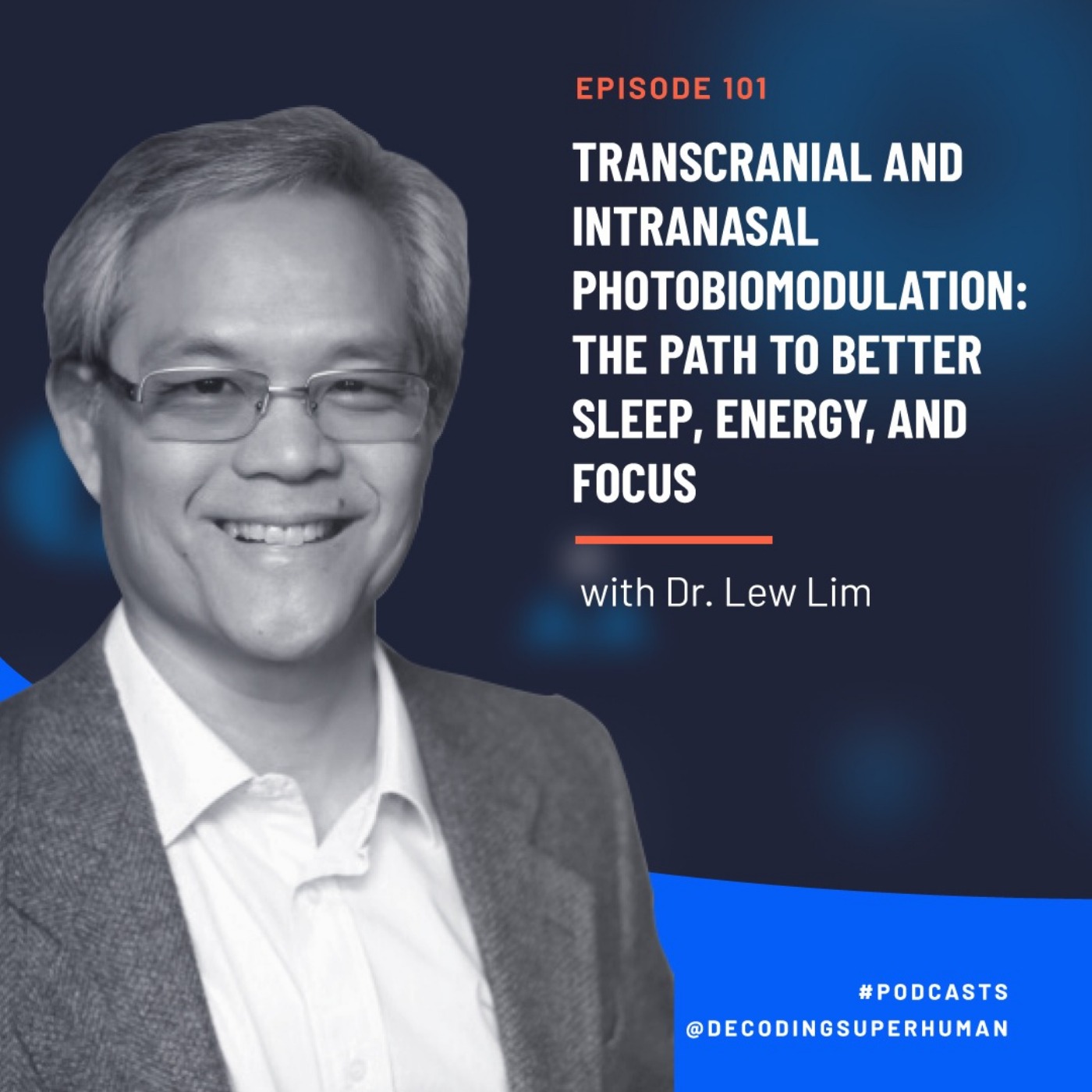
Boomer Anderson interviews Dr. Lew Lim, founder and CEO of VieLight, about the science of transcranial and intranasal photobiomodulation. Dr. Lim traces the field back to 1967 d...