
Key Takeaway
Core training significantly improves sport-specific power, speed, and agility in athletes, with the largest effects seen in power-based performance measures.
Summary
This meta-analysis of randomized controlled trials investigated the effects of core training on sport-specific performance outcomes in athletes. The authors searched multiple databases and included RCTs that compared core training interventions to control conditions across various athletic populations.
The pooled analysis revealed significant positive effects of core training on three key performance domains: power (e.g., throwing distance, jump height), speed (e.g., sprint times), and agility (e.g., change-of-direction tests). The largest effect sizes were observed for power-based outcomes, suggesting that improved core stability and force transfer through the trunk has the greatest impact on explosive athletic movements. Speed and agility also showed meaningful improvements, though with somewhat smaller effect sizes.
Subgroup analyses indicated that core training benefits were consistent across different sports and competition levels. The authors conclude that core training is an effective supplementary training modality for enhancing sport-specific performance in athletes and should be integrated into periodized training programs. They note that the proximal-to-distal force transfer mechanism—where a stable core allows more efficient energy transmission to the extremities—likely explains the broad performance benefits observed.
Figures
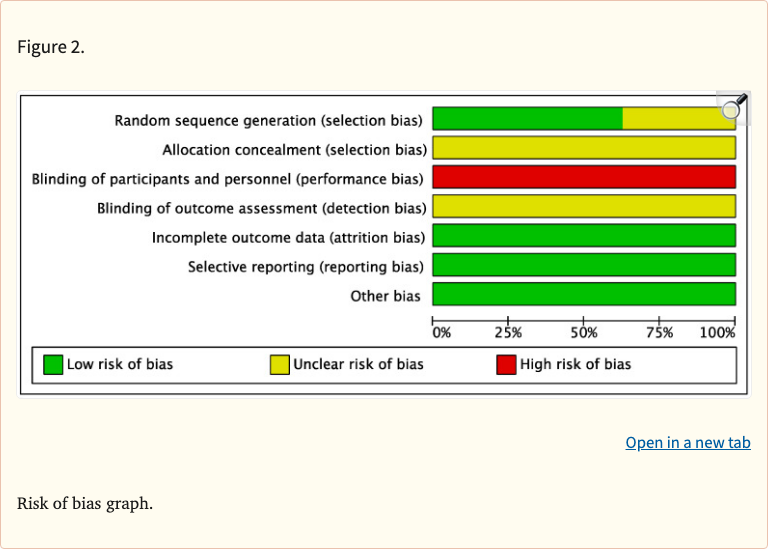 Figure 1
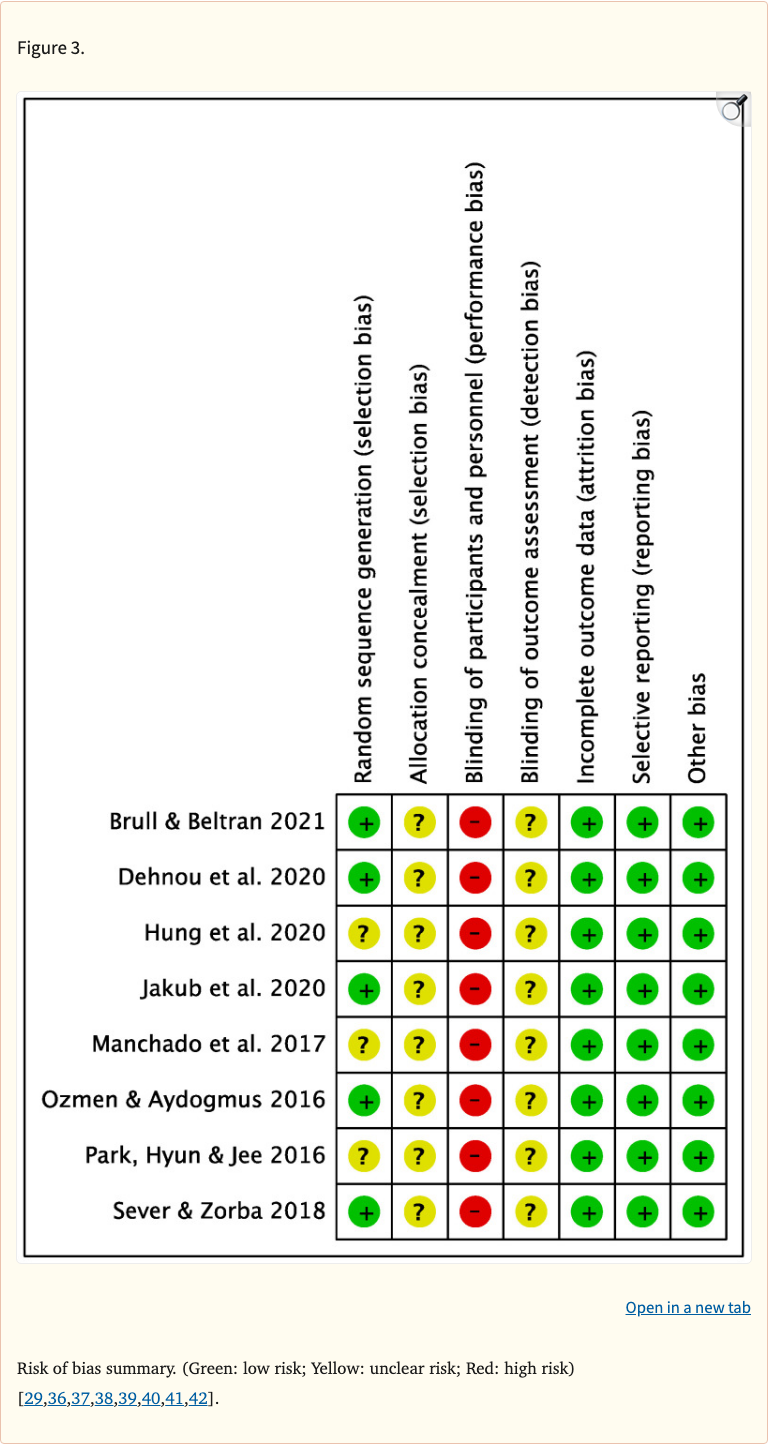 Figure 2
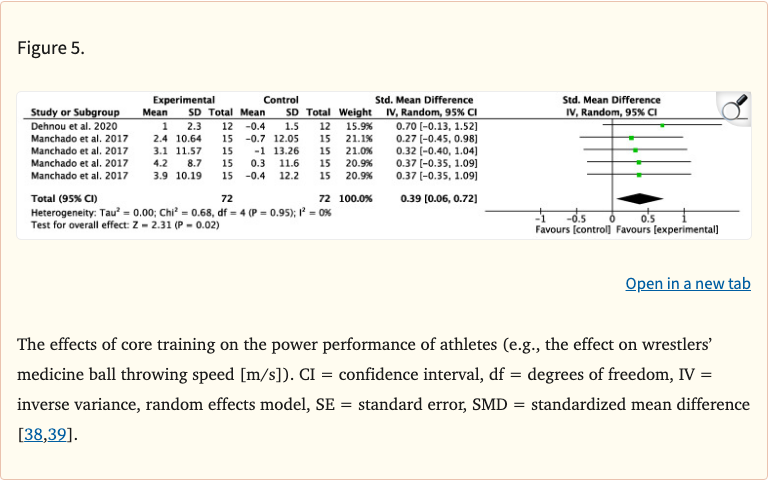 Figure 4
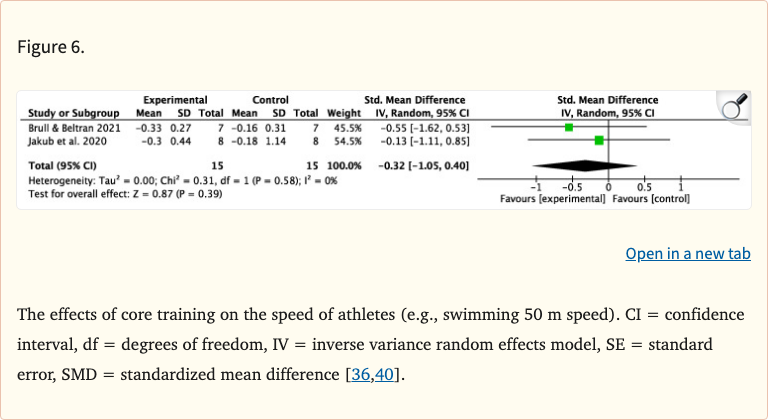 Figure 5
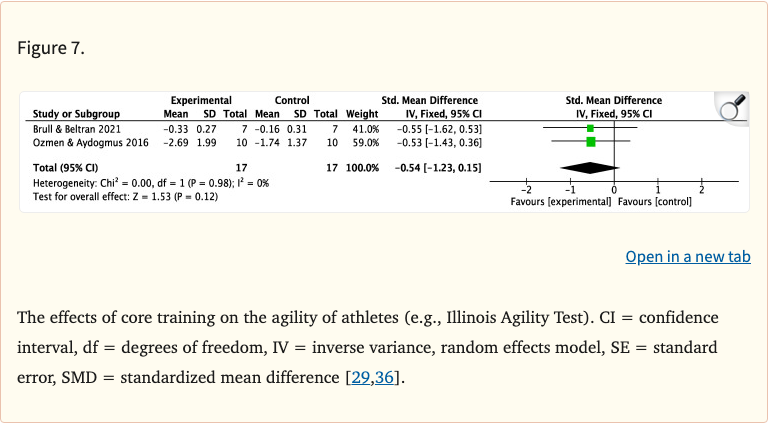 Figure 6